
Vocabolario per IELTS (Accademico) - Storia
Qui imparerai alcune parole inglesi sulla storia, come "esploratore", "civiltà", "monumento", ecc., necessarie per l'esame IELTS.
Revisione
Flashcard
Ortografia
Quiz

clothing characteristic of a particular country, social class, or historical period

costume
a person who visits unknown places to find out more about them
esploratore
Sognava di diventare un esploratore e di viaggiare verso isole remote.
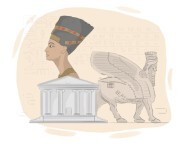
related to the study or depiction of events, people, or objects from the past
storico
La sua ricerca si è concentrata sul significato storico dell'architettura medievale.
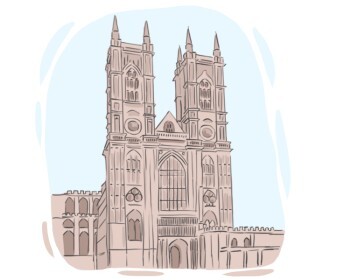
a group of buildings where a community of monks or nuns lives or formerly lived, typically including a church
abbazia

a period of history identified with a particular event
età
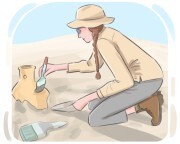
a person whose job is to study ancient societies using facts, objects, buildings, etc. remaining in excavation sites
archeologo
a society that has developed its own culture and institutions in a particular period of time or place
civilizzazione
L'ascesa della civiltà in Mesopotamia segnò l'inizio della storia registrata.
a major division of geological time that is divided into periods
era

a territory governed by an emperor or empress, under imperial authority
impero

in an earlier period
precedentemente
La città era precedentemente un villaggio tranquillo, ma si è trasformata in una città vivace.
a person who studies, researches, or writes about history
storico
the point or place where something has its foundation or beginning
origine

a traditional story about gods, heroes, or supernatural events, often explaining a culture's history, beliefs, or natural phenomena
mito
an old building, structure, or site preserved or valued for its historical importance
monumento

the fundamental change of power, government, etc. in a country by people, particularly involving violence
rivoluzione
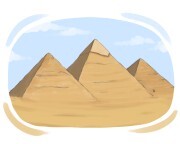
a stone monument built in ancient Egypt usually as a tomb for the pharaohs, which has a triangular or square base that slopes up to the top
piramide
La piramide di Giza è una delle sette meraviglie del mondo antico.
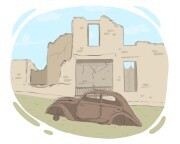
the remains of a building, town, or other structure that has been destroyed or fallen into decay
rovinare

the people from whom a person is descended
ascendenza

people in the highest class of society who have a lot of power and wealth and usually high ranks and titles
aristocrazia
L'aristocrazia si oppose a molte riforme sociali che minacciavano i suoi privilegi.
the study of past events for the purpose of determining the order by which they occurred
cronologia

a structure or town that has been designed for military defense against enemy attacks
fortezza
Cercarono rifugio all'interno della fortezza durante l'attacco al loro villaggio.
a person who takes over a job, position, title, or role after someone else
successore
referring to the previous state or condition of an object, organization, or place, which has since changed
precedente

used to refer to a date that is after the birth of Jesus Christ
DC

marking the years before Christ's supposed birth
AC
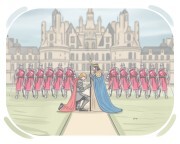
an era in European history, between about AD 1000 and AD 1500, when the authority of kings, people of high rank, and the Christian Church was unquestionable
Medioevo
Castelli e cavalieri sono simboli iconici della vita durante il Medioevo.
