
Ordförråd för IELTS (Akademisk) - Historia
Här kommer du att lära dig några engelska ord om historia, såsom "upptäcktsresande", "civilisation", "monument", etc., som behövs för IELTS-provet.
Recension
Flashcards
Stavning
Quiz


clothing characteristic of a particular country, social class, or historical period

traditionell dräkt, folkdräkt
a person who visits unknown places to find out more about them
upptäcktsresande, äventyrare
Skeppet bar en grupp upptäcktsresande som sökte efter nya handelsvägar.
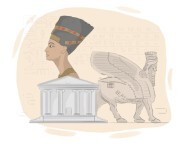
related to the study or depiction of events, people, or objects from the past
historisk
Han tycker om att läsa historiska romaner som för liv i det förflutna.
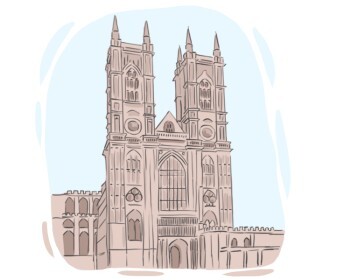
a group of buildings where a community of monks or nuns lives or formerly lived, typically including a church
abbotkloster, kloster

a period of history identified with a particular event
ålder, era
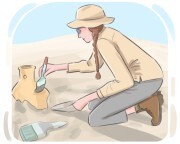
a person whose job is to study ancient societies using facts, objects, buildings, etc. remaining in excavation sites
arkeolog
a society that has developed its own culture and institutions in a particular period of time or place
civilisation, samhälle
Civilisationen har gjort stora framsteg inom medicin och vetenskap över århundradena.
a major division of geological time that is divided into periods
era, tidsålder

a territory governed by an emperor or empress, under imperial authority
rike, rike

in an earlier period
förr, tidigare
Tidigare opererade företaget under ett annat namn.
a person who studies, researches, or writes about history
historiker, historiska
the point or place where something has its foundation or beginning
ursprung, källa

a traditional story about gods, heroes, or supernatural events, often explaining a culture's history, beliefs, or natural phenomena
myt
an old building, structure, or site preserved or valued for its historical importance
monument, historisk byggnad

the fundamental change of power, government, etc. in a country by people, particularly involving violence
revolution
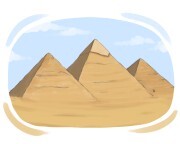
a stone monument built in ancient Egypt usually as a tomb for the pharaohs, which has a triangular or square base that slopes up to the top
pyramid, pyramidformigt monument
Den sandtäckta pyramiden såg magnifik ut i ökensolen.
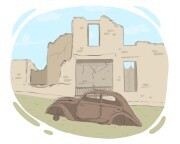
the remains of a building, town, or other structure that has been destroyed or fallen into decay

the people from whom a person is descended
ursprung, släkt

people in the highest class of society who have a lot of power and wealth and usually high ranks and titles
aristokrati, adel
Många medlemmar av aristokratin var konstmecenater.
the study of past events for the purpose of determining the order by which they occurred
kronologi, kronologisk studie

a structure or town that has been designed for military defense against enemy attacks
fästning, citadell
Medeltidsborgen var både en fästning och en kunglig bostad för kungen.
a person who takes over a job, position, title, or role after someone else
efterträdare, efterföljare
referring to the previous state or condition of an object, organization, or place, which has since changed
före detta, tidigare

used to refer to a date that is after the birth of Jesus Christ
efter Kristus, e.Kr.

marking the years before Christ's supposed birth
före Kristus
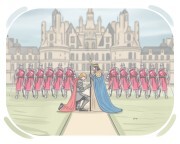
an era in European history, between about AD 1000 and AD 1500, when the authority of kings, people of high rank, and the Christian Church was unquestionable
medeltiden, den medeltida perioden
Digerdöden var en förödande pandemi som drabbade Europa under senare delen av medeltiden och dödade miljontals människor.
