
pattern

IELTS のための語彙 (アカデミック) - History

ここでは、IELTS試験に必要な「探検家」「文明」「記念碑」などの歴史に関する英単語を学びます。

review-disable

レビュー

flashcard-disable

フラッシュカード

spelling-disable

綴り

quiz-disable

クイズ

学習を開始
Words for Academic IELTS
costume
costume
[名詞]

clothing characteristic of a particular country, social class, or historical period

Ex: Folk costume is still worn at cultural festivals .
explorer
explorer
[名詞]

a person who visits unknown places to find out more about them

探検家, 冒険者

探検家, 冒険者

Ex: She dreamed of becoming an explorer and traveling to remote islands .彼女は**探検家**になって遠く離れた島へ旅行することを夢見ていました。
historical
historical
[形容詞]

related to the study or depiction of events, people, or objects from the past

歴史的な

歴史的な

Ex: He enjoys reading historical novels that bring the past to life .彼は過去を生き生きとさせる**歴史**小説を読むのが好きです。
abbey
abbey
[名詞]

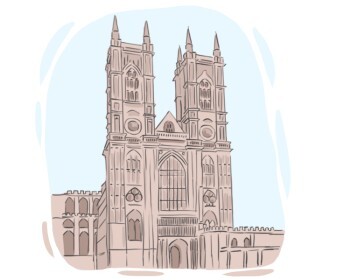
a church with buildings connected to it in which a group of monks or nuns live or used to live

修道院, 大修道院

修道院, 大修道院

Ex: They have dedicated their lives to serving at the abbey, finding solace and purpose within its hallowed walls .彼らは**修道院**で奉仕することに人生を捧げ、その神聖な壁の中に慰めと目的を見出しています。
age
age
[名詞]

a period of history identified with a particular event

時代, 紀元
時代, 紀元

Ex: The age of agriculture saw the development of farming techniques and settlement growth .農業の**時代**は、農法の発展と集落の成長を見ました。
archeologist
archeologist
[名詞]

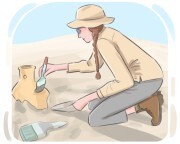
a person whose job is to study ancient societies using facts, objects, buildings, etc. remaining in excavation sites

考古学者

考古学者

civilization
civilization
[名詞]

a society that has developed its own culture and institutions in a particular period of time or place

文明, 社会

文明, 社会

Ex: The rise of civilization in Mesopotamia marked the beginning of recorded history .メソポタミアにおける**文明**の台頭は、記録された歴史の始まりを示した。
era
era
[名詞]

a formal subdivision of geological time, typically spanning several periods

Ex: This mineral layer marks the start of a new era.
empire
empire
[名詞]

a territory governed by an emperor or empress, under imperial authority

Ex: Trade routes connected all parts of the empire.
formerly
formerly
[副詞]

in an earlier period

以前は, かつて

以前は, かつて

Ex: The town was formerly a quiet village , but it has transformed into a bustling city .その町は**以前は**静かな村でしたが、賑やかな都市に変わりました。
historian
historian
[名詞]

someone who studies or records historical events

歴史家, 史学者

歴史家, 史学者

Ex: The historian's lecture on World War II was incredibly detailed .第二次世界大戦に関する**歴史家**の講義は信じられないほど詳細でした。
origin
origin
[名詞]

the point or place where something has its foundation or beginning

起源, 源
起源, 源

Ex: Scientists are studying the origin of the universe through cosmology .科学者たちは宇宙論を通じて宇宙の**起源**を研究しています。
myth
myth
[名詞]

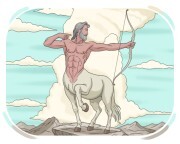
a story involving the ancient history of a people, usually about heroes and supernatural events that could be unreal

神話, 伝説

神話, 伝説

Ex: The villagers passed the myth down through generations .
monument
monument
[名詞]

a place or building that is historically important

記念碑

記念碑

Ex: The Taj Mahal is a stunning monument built in memory of Emperor Shah Jahan ’s beloved wife , Mumtaz Mahal .タージ・マハルは、皇帝シャー・ジャハンの愛妻ムムターズ・マハルの記憶に建てられた見事な**記念碑**です。
revolution
revolution
[名詞]

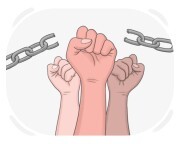
the fundamental change of power, government, etc. in a country by people, particularly involving violence

革命
革命

Ex: The revolution resulted in significant political and social reforms across the nation .**革命**は、国全体で重要な政治的・社会的改革をもたらした。
pyramid
pyramid
[名詞]

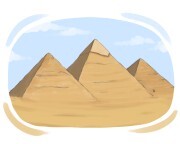
a stone monument built in ancient Egypt usually as a tomb for the pharaohs, which has a triangular or square base that slopes up to the top

ピラミッド, ピラミッド型記念碑

ピラミッド, ピラミッド型記念碑

Ex: The Great Pyramid of Giza is one of the Seven Wonders of the Ancient World.ギザの**ピラミッド**は古代世界の七不思議の一つです。
ruin
ruin
[名詞]

(plural) the remains of something such as a building after it has been seriously damaged or destroyed

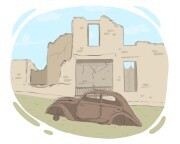
廃墟, 遺跡

廃墟, 遺跡

Ex: The archaeological team discovered the ruins of an ancient city .考古学チームは古代都市の**遺跡**を発見しました。
wartime
wartime
[名詞]

a period during which an open war is underway

戦時, 戦争の期間

戦時, 戦争の期間

ancestry
ancestry
[名詞]

the people from whom a person is descended

Ex: The ancestry of the family can be seen in old portraits .
aristocracy
aristocracy
[名詞]

people in the highest class of society who have a lot of power and wealth and usually high ranks and titles

貴族階級, 貴族

貴族階級, 貴族

Ex: The aristocracy opposed many social reforms that threatened their privileges .**貴族階級**は、彼らの特権を脅かす多くの社会改革に反対しました。
chronology
chronology
[名詞]

the study of past events for the purpose of determining the order by which they occurred

年代学, 年代学的な研究

年代学, 年代学的な研究

fortress
fortress
[名詞]

a structure or town that has been designed for military defense against enemy attacks

要塞, 城塞

要塞, 城塞

Ex: They sought refuge within the fortress during the attack on their village .彼らは村への攻撃の際、**要塞**の中に避難を求めた。
successor
successor
[名詞]

a person or thing that is next in line to someone or something else

後継者, 相続人

後継者, 相続人

Ex: The company was eager to find a worthy successor to continue the founder 's legacy and lead it into the future .同社は、創業者の遺産を継続し、将来に導くために、ふさわしい**後継者**を見つけることを切望していました。
former
former
[形容詞]

referring to the previous state or condition of an object, organization, or place, which has since changed

元の, 以前の

元の, 以前の

Ex: The former manufacturing plant has been converted into a modern art gallery.**元**製造工場は現代美術館に改装されました。
anno Domini
anno Domini
[副詞]

used to refer to a date that is after the birth of Jesus Christ

西暦, AD

西暦, AD

Ex: The Renaissance, a period of cultural and intellectual flourishing, occurred in Europe from the 14th to the 17th centuries AD, leading to significant advancements in art, science, and philosophy.ルネサンス、文化的および知的な繁栄の時期は、14世紀から17世紀にかけてヨーロッパで起こり、芸術、科学、哲学において重要な進歩をもたらしました**紀元後**。
before Christ

marking the years before Christ's supposed birth

紀元前
紀元前

Ex: The ancient city of Rome was traditionally founded in 753 BC.古代都市ローマは伝統的に紀元前753年に設立されました。
the Middle Ages

an era in European history, between about AD 1000 and AD 1500, when the authority of kings, people of high rank, and the Christian Church was unquestionable

中世, 中世時代

中世, 中世時代

Ex: The Black Death was a devastating pandemic that struck Europe in the late Middle Ages, killing millions.黒死病は、**中世**後期にヨーロッパを襲い、数百万人の命を奪った壊滅的なパンデミックでした。
LanGeek
LanGeekアプリをダウンロード