pattern

本 Total English - 中級 - ユニット8 - 参照

ここでは、Total English Intermediateコースブックのユニット8 - リファレンスからの語彙を見つけることができます。例えば「ドリル」、「フェアトレード」、「混雑」などです。

復習

フラッシュカード

綴り

クイズ
学習を開始
Total English - Intermediate
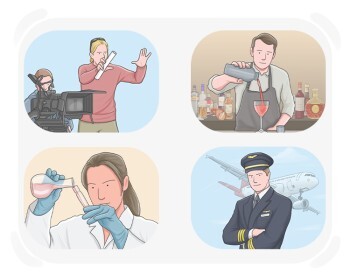
career
career
[名詞]

a profession or a series of professions that one can do for a long period of one's life

キャリア,職業

キャリア,職業

Ex: Nursing offers a rewarding career helping others in need. 

看護は、困っている人々を助けることで、やりがいのあるキャリアを提供します。

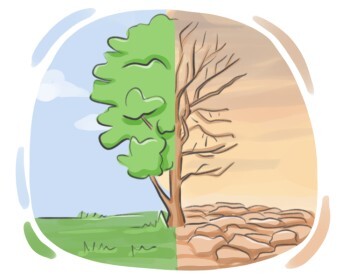
climate change

a permanent change in global or regional climate patterns, including temperature, wind, and rainfall

気候変動,地球温暖化

気候変動,地球温暖化

Ex: Climate change is a major concern for future generations. 

気候変動は将来の世代にとって大きな懸念事項です。

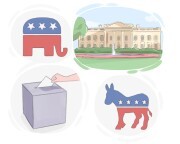
political
political
[形容詞]

related to or involving the governance of a country or territory

政治的な

政治的な

Ex: Political debates often revolve around issues such as taxation, healthcare, and national security. 

政治的な議論は、課税、医療、国家安全保障などの問題を中心に展開することが多い。

arrangement
arrangement
[名詞]

a mutual understanding or agreement established between people

取り決め,合意

取り決め,合意

Ex: She reached an arrangement with her coworker to split the tasks. 

彼女は同僚とタスクを分担するための取り決めに達した。

hairstyle
hairstyle
[名詞]

the way in which a person's hair is arranged or cut

ヘアスタイル,髪型

ヘアスタイル,髪型

Ex: She changed her hairstyle for the wedding, opting for elegant curls. 

彼女は結婚式のためにヘアスタイルを変え、優雅なカールを選びました。

tune
tune
[名詞]

a sequence of musical notes forming a recognizable melody

旋律, 節

旋律, 節

Ex: Emma hummed a familiar tune while she worked. 
against
against
[前置詞]

in opposition to someone or something

に対して

に対して

Ex: I decided to go against the advice of my friend. 

私は友人の助言に逆らうことに決めた。

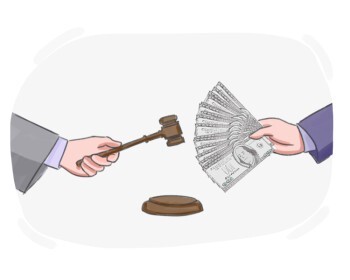
law
law
[名詞]

a country's rules that all of its citizens are required to obey

法律,法

法律,法

Ex: The company must comply with employment laws when hiring new employees. 

会社は新しい従業員を採用する際に雇用法を遵守しなければなりません。

appeal
appeal
[名詞]

a legal procedure in which a higher court is asked to review and overturn a lower court's decision

控訴

控訴

Ex: The appeal process can take several months. 

上訴のプロセスには数か月かかることがあります。

banned
banned
[形容詞]

prohibited or not allowed by law, rule, or authority

禁止された, 禁じられた

禁止された, 禁じられた

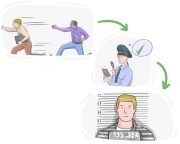
to arrest
to arrest
[動詞]

(of law enforcement agencies) to take a person away because they believe that they have done something illegal

逮捕する

逮捕する

Ex: Last year, the detective unexpectedly arrested the suspect after a thorough investigation. 

昨年、探偵は徹底的な調査の後、予期せず容疑者を逮捕した。

fine
fine
[名詞]

an amount of money that must be paid as a legal punishment

罰金,過料

罰金,過料

Ex: The court imposed a fine on the company for environmental violations. 

裁判所は環境違反に対して会社に罰金を科した。

illegal
illegal
[形容詞]

forbidden by or against the law

違法な

違法な

Ex: It is illegal to drive without a valid license. 
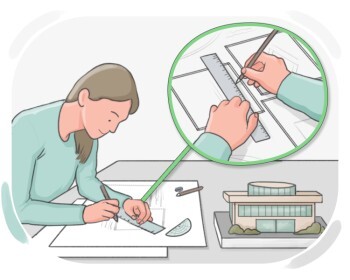
architecture
architecture
[名詞]

the art, study, or profession of designing buildings and other structures

建築学, 建築
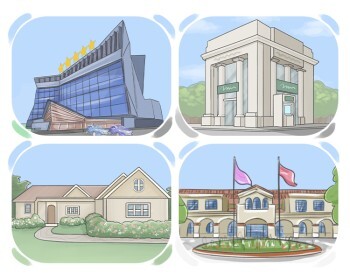
建築学, 建築

Ex: Emma studied architecture at university. 
building
building
[名詞]

a structure that has walls, a roof, and sometimes many levels, like an apartment, house, school, etc.

建物,ビル

建物,ビル

Ex: The tall building stands out among the other structures in the city. 

その高い建物は街の他の構造物の中でも目立っています。

congestion
congestion
[名詞]

a state of being overcrowded or blocked, particularly in a street or road

渋滞,混雑

渋滞,混雑

Ex: There was heavy congestion on the highway during rush hour. 

ラッシュアワー中、高速道路で深刻な渋滞がありました。

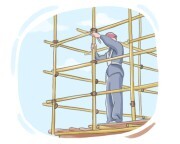
construction
construction
[名詞]

the process of building or creating something, such as structures, machines, or infrastructure

建設

建設

Ex: Construction workers must wear protective gear at all times. 

建設作業員は常に保護具を着用しなければなりません。

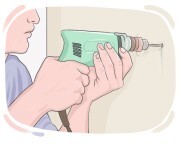
to drill
to drill
[動詞]

to make a hole in something using a drill or similar rotating tool

穴をあける, ドリルで開ける

穴をあける, ドリルで開ける

Ex: Drill a small hole in the wall for the screw. 
exhaust fumes

waste gases expelled from an internal-combustion engine, containing pollutants that degrade air quality

排気ガス,エキゾーストガス

排気ガス,エキゾーストガス

Ex: The tunnel filled with exhaust fumes as cars idled during the rush-hour backup. 

ラッシュアワーの渋滞中、車がアイドリング状態でトンネルが排気ガスで満たされた。
heat wave
heat wave
[名詞]

a period of hot weather, usually hotter and longer than before

熱波,猛暑

熱波,猛暑

Ex: The city issued a warning for a heat wave, advising residents to stay indoors and stay hydrated. 

市は熱波の警告を発し、住民に屋内に留まり水分を摂るように助言しました。

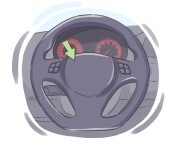
horn
horn
[名詞]

a device on a vehicle that produces a loud sound as a warning or signal

クラクション,ホーン
クラクション,ホーン

Ex: Daniel sounded the horn to warn the cyclist. 
to honk
to honk
[動詞]

to cause a horn, particularly of a vehicle, to make a loud noise

クラクションを鳴らす,警笛を鳴らす

クラクションを鳴らす,警笛を鳴らす

Ex: The taxi driver honked the horn to alert pedestrians of his presence. 

タクシーの運転手は、歩行者に自分の存在を知らせるためにクラクションを鳴らした。
rush hour
rush hour
[名詞]

a time of day at which traffic is the heaviest because people are leaving for work or home

ラッシュアワー,混雑時間

ラッシュアワー,混雑時間

Ex: She left the house early to avoid the rush hour traffic on her way to the office. 

彼女はオフィスへの道中でラッシュアワーの交通を避けるために早く家を出た。

terribly
terribly
[副詞]

in a very unpleasant, poor, or painful manner

ひどく,恐ろしく

ひどく,恐ろしく

Ex: They beat me terribly in the final match. 

彼らは決勝戦で私をひどく打ち負かした。

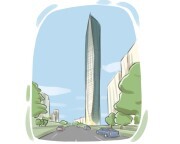
tower block
tower block
[名詞]

a very tall building that is divided into several apartments or offices

タワーブロック,高層マンション

タワーブロック,高層マンション

Ex: People in the tower block have complained about the long wait for elevators. 

タワーブロックの住民はエレベーターを待つのが長いと不満を言っています。

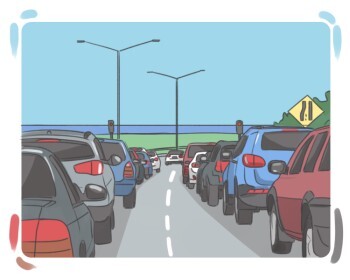
traffic jam
traffic jam
[名詞]

a large number of bikes, cars, buses, etc. that are waiting in lines behind each other which move very slowly

交通渋滞,渋滞

交通渋滞,渋滞

Ex: They were late to the meeting due to a traffic jam on the highway. 

彼らは高速道路の渋滞のため会議に遅れました。

conflict
conflict
[名詞]

tension or opposition between two simultaneous, incompatible feelings

葛藤,矛盾

葛藤,矛盾

Ex: The emotions caused inner conflict during the decision. 

感情は、決断の間に内面的な葛藤を引き起こした。

to cure
to cure
[動詞]

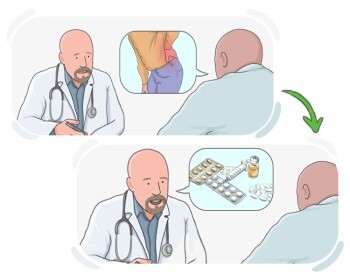
to restore someone to health by ending an illness or medical condition

治す,癒す
治す,癒す

Ex: The treatment completely cured him. 
debt
debt
[名詞]

an amount of money or a favor that is owed

借金,負債

借金,負債

Ex: The company's debt continued to grow as profits failed to meet expectations. 

会社の負債は、利益が期待に達しなかったため、増え続けた。

disease
disease
[名詞]

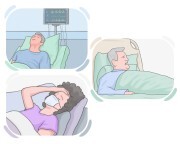
an illness in a human, animal, or plant that affects health

病気,疾患

病気,疾患

Ex: She is researching a cure for a rare disease. 

彼女は珍しい病気の治療法を研究中です。

fair trade
fair trade
[名詞]

trading practices that do not put consumers at a disadvantage

フェアトレード

フェアトレード

global warming

the increase in the average temperature of the Earth as a result of the greenhouse effect

地球温暖化,気候変動

地球温暖化,気候変動

Ex: Scientists link global warming to rising sea levels. 

科学者たちは地球温暖化と海面上昇を関連付けています。

farming
farming
[名詞]

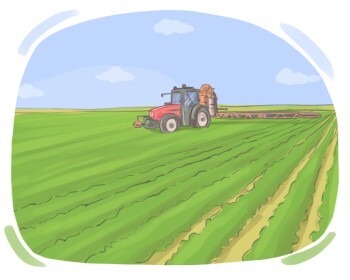
the activity or practice of growing crops or raising animals on a farm

農業, 耕作

農業, 耕作

Ex: Farming is the main source of income in the region. 
mortality rate

the number of deaths in a particular population over a specific period of time, usually expressed as a ratio or percentage

死亡率,死亡比率

死亡率,死亡比率

organic
organic
[形容詞]

produced or grown without artificial fertilizers, pesticides, or other synthetic chemicals

オーガニック,有機

オーガニック,有機

Ex: She buys organic vegetables whenever possible. 
peace
peace
[名詞]

a period or state where there is no war or violence

平和

平和

Ex: The community worked together to maintain peace and prevent violence. 

コミュニティは平和を維持し、暴力を防ぐために協力しました。

pollution
pollution
[名詞]

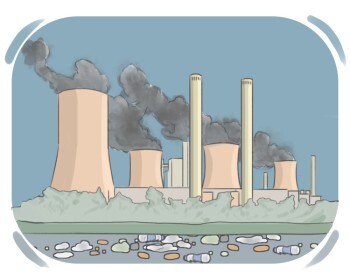
a change in water, air, etc. that makes it harmful or dangerous

汚染,公害

汚染,公害

Ex: Oil spills are a form of pollution that significantly damage marine ecosystems. 

石油流出は、海洋生態系に重大な損害を与える汚染の一形態です。

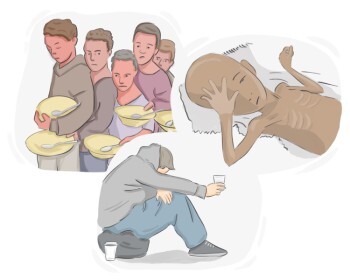
poverty
poverty
[名詞]

the condition of lacking enough money or income to afford basic needs like food, clothing, etc.

貧困

貧困

Ex: Despite efforts to improve conditions, poverty continues to affect millions globally. 

状況を改善する努力にもかかわらず、貧困は世界中の何百万人にも影響を与え続けています。
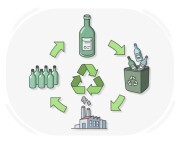
recycling
recycling
[名詞]

the process of making waste products usable again

リサイクル,廃棄物の再利用

リサイクル,廃棄物の再利用

Ex: The school organized a recycling campaign. 

学校はリサイクルキャンペーンを組織しました。

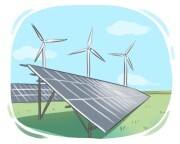
solar power
solar power
[名詞]

energy that is generated from the sun's radiation using solar panels, which convert sunlight into electricity

太陽光発電,太陽エネルギー

太陽光発電,太陽エネルギー

Ex: The house is equipped with solar power to reduce electricity bills. 

家は電気代を削減するために太陽光発電を装備しています。

standard of living

the level of wealth, welfare, comfort, and necessities available to an individual, group, country, etc.
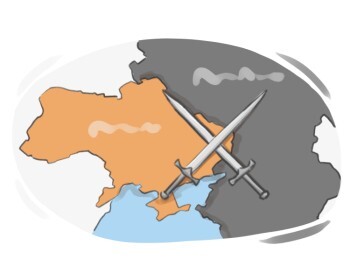
Ex: Improved infrastructure and healthcare services have contributed to a higher standard of living in urban areas. 
war
war
[名詞]

a state of armed fighting between two or more groups, nations, or states

戦争

戦争

Ex: The world was at war during the early 20th century. 

20世紀初頭、世界は戦争中でした。

wealth
wealth
[名詞]

a large amount of valuable material possessions or financial resources

富, 財産

富, 財産

Ex: The report highlighted the growing gap between wealth and poverty. 
to promote
to promote
[動詞]

to move to a higher position or rank

昇進させる,昇格させる

昇進させる,昇格させる

Ex: They decided to promote her to team leader due to her leadership abilities. 

彼女のリーダーシップ能力により、彼らは彼女をチームリーダーに昇進させることを決めた。

to offer
to offer
[動詞]

to present or propose something to someone

提供する,提案する

提供する,提案する

Ex: The restaurant offered a diverse menu to cater to various culinary preferences. 

レストランは、さまざまな料理の好みに対応するために多様なメニューを提供しました。
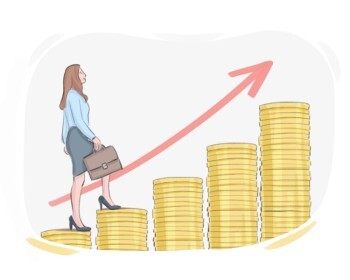
promotion
promotion
[名詞]

an act of raising someone to a higher rank or position

昇進,昇格

昇進,昇格

Ex: She was thrilled to receive a promotion at work. 

彼女は仕事で昇進を受けてとても嬉しかった。

alternative
alternative
[名詞]

any of the available possibilities that one can choose from

代替案, 選択肢

代替案, 選択肢

Ex: The company is exploring alternatives to traditional marketing strategies. 

その会社は伝統的なマーケティング戦略に対する代替案を探っています。

to quit
to quit
[動詞]

to permanently leave a job, school, or official position
Ex: Emma quit her job to start her own business. 
to regret
to regret
[動詞]

to feel sorry or disappointed about something that happened or that one did or failed to do

後悔する, 悔やむ
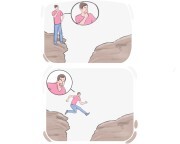
後悔する, 悔やむ

Ex: I regret leaving college before finishing my degree. 
to [take] the plunge

to devote one's time and energy to doing or finishing something one was nervous about

思い切って始める, 腹をくくって取りかかる

思い切って始める, 腹をくくって取りかかる

Ex: After months of hesitation, she finally took the plunge and started her own business. 

何か月も迷った末、彼女はついに思い切って自分のビジネスを始めた。

volunteer
volunteer
[名詞]

a person who offers to do something, often without being asked or without expecting payment

ボランティア, 志願者

ボランティア, 志願者

Ex: The hospital received support from numerous volunteers who assisted with patient care and administrative tasks. 

病院は、患者のケアや管理業務を支援した多くのボランティアから支援を受けました。

LanGeek
LanGeekアプリをダウンロード