
アートとクラフト - Art Elements and Principles
ここでは、"質感"、"遠近法"、"テーマ"などの芸術の要素や原則に関連するいくつかの英語の単語を学びます。
レビュー
フラッシュカード
綴り
クイズ

the distribution of visual weight or elements within a composition, resulting in a sense of harmony and equilibrium
バランス, 調和

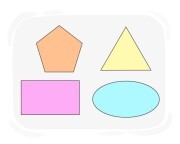
the outer form or edges of something or someone
形, 輪郭

the shape of someone or something, especially the outline
形, シルエット
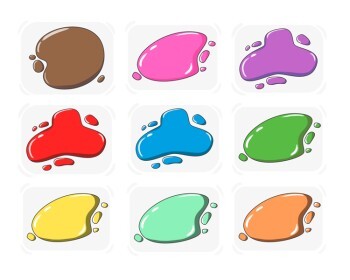
a quality such as red, green, blue, yellow, etc. that we see when we look at something
色
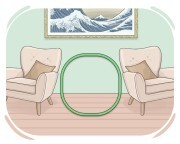
an area that is empty or unoccupied and therefore available for use
空間, 場所
the area around and between the subjects or objects in a work of art
ネガティブスペース, 芸術的な空白
the quality of a surface as experienced by touch, especially whether it is smooth, rough, soft, or hard
質感, 手触り
the degree of lightness or darkness of a color, which helps create contrast, depth, and dimension in visual art
価値, トーン
the different techniques and methods artists use to create marks on a surface and it can range from precise and controlled to loose and expressive, conveying different emotions and meanings
マークメイキング, 芸術的なマーキング
the physical properties and qualities of materials used in the creation of art, including their texture, color, weight, transparency, and other characteristics
物質性, 物理的特性
the attribute of color that distinguishes one color from another based on its position in the color spectrum or wheel
色合い, 色調
アーティストは絵画に居心地の良い雰囲気を作り出すために、暖かい色合いを選びました。
the degree of strength, purity, or vividness of a color
強度, 彩度
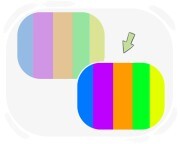
the quality or degree of being bright in color
明るさ, 輝き
そのアーティストは草原の花の明るさを賞賛した。
the purity or vividness of a color, representing the degree to which it is free from white or gray
彩度

a particular variation of a color
色合い, 濃淡
a subtle variation in the quality or shade of a color
トーン, 色調
a basic element of design that refers to a small, clearly defined location or mark on a surface
点, 印
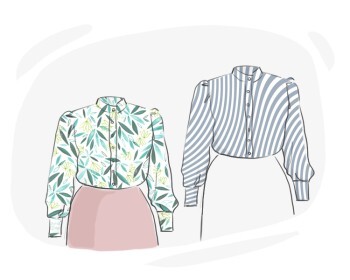
a typically repeating arrangement of shapes, colors, etc., regularly done as a design on a surface
模様
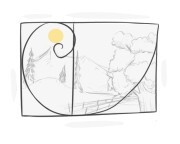
the arrangement and relationship of visual elements within an artwork or image
構図, コンポジション
the quality in a work of art or design that makes its different elements appear connected and harmonious as a whole
統一, 調和
a pleasing and balanced combination of different parts that form a unified whole
調和, ハーモニー

the technique of representing a two-dimensional object in a way that gives the right impression of distance by drawing objects and people that are farther in a smaller size
遠近法, 視点
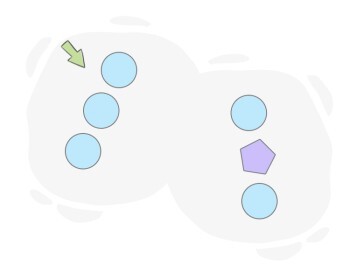
the state or quality of being alike without being exactly the same

differences in color or in brightness and darkness that an artist uses in a painting or photograph to create a special effect
コントラスト
a principle of design that refers to the visual flow and direction of a composition, created through the repetition and continuation of lines, shapes, colors, or other elements
継続, 連続性
a principle of design that refers to the use of the same or similar elements multiple times in a composition
繰り返し, 反復
a repeated arrangement of visual elements that creates a sense of movement or flow
リズム, 律動
a recurring element that is the main idea or subject in a literary or artistic piece
テーマ, モチーフ
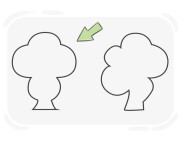
the quality of having two halves that are exactly the same, which are separated by an axis
対称
蝶の羽は体に沿って完璧な対称性を示しています。
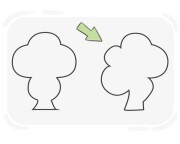
(geometry) a lack of symmetry or equivalence in shape or size between the two sides or parts of something
非対称
幾何学において、非対称とは、両側が同一でないことを意味します。
the arrangement of visual elements according to their relative importance or prominence
階層, 視覚的階層
a principle of design that refers to the visual weight or emphasis given to certain elements in a composition
支配, 優位
special importance given to something over other items or considerations
強調, 重要性
スピーカーは、雇用創出と経済成長を政策課題の主要な優先事項として強調しました。
a principle of design that refers to the size of elements in a composition relative to one another or to the overall size of the composition itself
スケール, 比例
a principle of design that refers to the relationship of the size, shape, and quantity of different elements in a composition
比例, バランス
