pattern

存在と行動の動詞 - 行動不足のための動詞

ここでは、「控える」、「躊躇する」、「慎む」など、行動を起こさないことを指す英語の動詞を学びます。

レビュー

フラッシュカード

語形

綴り

クイズ

学習を開始
Categorized English Verbs of Existence and Action
to refrain
to refrain
[動詞]

to resist or hold back from doing or saying something

控える,  我慢する

控える, 我慢する

Ex: Despite the urge to argue, she will refrain from responding to the critical comments. 

議論したい衝動にもかかわらず、彼女は批判的なコメントに返信することを控えるでしょう。
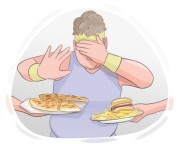
to abstain
to abstain
[動詞]

to avoid doing something, especially something that one enjoys

控える, 避ける

控える, 避ける

Ex: They regularly abstain from consuming alcohol for personal reasons. 

彼らは個人的な理由で定期的にアルコールの摂取を控えています。

to desist
to desist
[動詞]

to stop doing something, particularly in response to a request, command, or understanding that it should be discontinued

やめる,  中止する

やめる, 中止する

Ex: The company was ordered to desist from any further illegal practices. 

その会社はそれ以上の違法行為を止めるよう命じられた。

to forbear
to forbear
[動詞]

to hold back from an action or behavior

我慢する, 控える

我慢する, 控える

Ex: Respecting the solemnity of the occasion, they forbore smiles during the memorial service. 

その場の厳粛さを尊重して、彼らは追悼式の間、笑うことを控えた。

to back off
to back off
[動詞]

to no longer be involved in a task or obligation

退く, 距離を置く

退く, 距離を置く

Ex: I had to back off when I realized the workload was too much. 

仕事量が多すぎると気付いたとき、私は引き下がらなければならなかった。

to hang around

to spend time in a place, often without a specific purpose or activity

特に目的もなくある場所で時間を過ごす, その辺でぶらぶらする

特に目的もなくある場所で時間を過ごす, その辺でぶらぶらする

Ex: After school, the students like to hang around the playground until their parents arrive. 

放課後、生徒たちは親が迎えに来るまで遊び場の周りをぶらつくのが好きです。

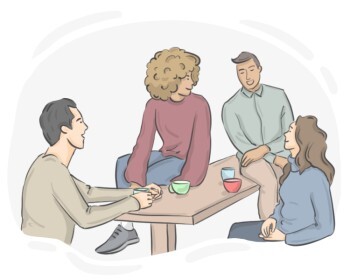
to lie around

to waste time relaxing and doing nothing

寝転がって何もせず時間を過ごす, 何もせず寝転がる

寝転がって何もせず時間を過ごす, 何もせず寝転がる

Ex: We're planning to lie around on the beach all day tomorrow. 

私たちは明日、一日中ビーチでのんびりする予定です。

to wait
to wait
[動詞]

to not leave until a person or thing is ready or present or something happens

待つ, 待機する

待つ, 待機する

Ex: Patients are asked to wait in the waiting room until their name is called. 
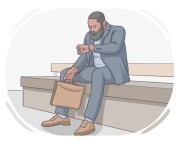
to wait around

to remain in one spot with nothing to do, expecting something to happen

何かが起こるのを待ちながら一か所で何もせず過ごす, 同じ場所で長時間待つ

何かが起こるのを待ちながら一か所で何もせず過ごす, 同じ場所で長時間待つ

Ex: The passengers waited around the train platform for the delayed arrival. 

乗客たちは遅れた到着を待って駅のプラットフォームの周りで待ちぼうけていた。

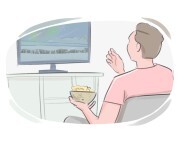
to sit around

to spend time doing nothing or nothing productive

座ったまま何も有益なことをしない, 何もせず時間を過ごす

座ったまま何も有益なことをしない, 何もせず時間を過ごす

Ex: On weekends, I just like to sit around and watch TV. 

週末は、ただ座ってテレビを見るのが好きです。

to hesitate
to hesitate
[動詞]

to pause before acting or deciding because of uncertainty, nervousness, or reluctance

ためらう,  躊躇する
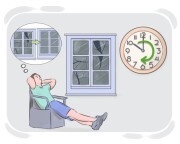
ためらう, 躊躇する

Ex: Emma hesitated before opening the unfamiliar email. 
to stand by
to stand by
[動詞]

to refrain from taking action when it is necessary

傍観する, 介入しない

傍観する, 介入しない

Ex: In times of crisis, it's crucial not to stand by but to offer assistance and support. 

危機の時には、傍観するのではなく、援助と支援を提供することが重要です。

to hold back
to hold back
[動詞]

to refrain from taking immediate action or speaking out, typically due to uncertainty, reluctance

抑える, 我慢する

抑える, 我慢する

Ex: It's natural to hold back when faced with a challenging dilemma. 

難しいジレンマに直面したとき、控えるのは自然なことです。

to look on
to look on
[動詞]

to watch an event or incident without getting involved

関与せずに見守る, 出来事をただ傍観する

関与せずに見守る, 出来事をただ傍観する

Ex: The villagers looked on with apprehension as the strangers entered their town. 

見知らぬ人が彼らの町に入ってくるのを村人たちは不安そうに見ていた。

to stand around

to spend time standing in a place without doing anything purposeful or without having a particular reason to be there

特に理由や目的なくその場に立っている, 何もせず立っている

特に理由や目的なくその場に立っている, 何もせず立っている

Ex: Don't just stand around—help me move these boxes! 

ただ立っているだけじゃないで—これらの箱を動かすのを手伝って!

to forgo
to forgo
[動詞]

to decide not to do or have something; to abstain from

断念する, 控える

断念する, 控える

Ex: The athlete decided to forgo participating in the upcoming competition to focus on injury recovery. 

その選手は、怪我の回復に集中するために、今後の大会への参加を見送ることに決めました。

to hang back
to hang back
[動詞]

to hesitate to do or say something, often due to uncertainty or shyness

躊躇する, 後ろに下がる

躊躇する, 後ろに下がる

Ex: He tends to hang back in social situations, observing rather than participating. 

彼は社会的な状況でためらう傾向があり、参加するよりも観察する。

to loiter
to loiter
[動詞]

to stand around in a public place without an apparent or clear purpose

ぶらつく, たむろする

ぶらつく, たむろする

Ex: A group of teenagers tended to loiter near the entrance of the mall with no intention of shopping. 

十代のグループは、買い物をするつもりもなくショッピングモールの入り口付近でぶらつく傾向があった。

LanGeek
LanGeekアプリをダウンロード