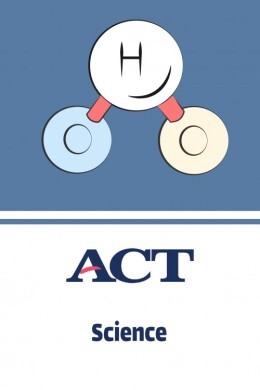

a large molecule composed of repeating structural units, or monomers, covalently bonded together in a chain-like structure

ポリマー, 高分子
each of two or more forms of the same element that contain equal numbers of protons but different numbers of neutrons in their nuclei, leading to variation in atomic mass
同位体, 同位体の形態
炭素12と炭素14は炭素の同位体であり、前者は6つの中性子を持ち、後者は8つの中性子を持っています。
having a tendency to undergo chemical reactions
反応性の, 反応性がある
ナトリウムは水と非常に反応性が高いです。
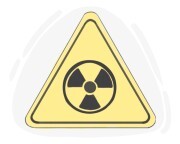
containing or relating to a dangerous form of energy produced by nuclear reactions
放射性の, 放射能を持つ
放射性同位体は、診断目的で医療画像に使用されます。
a chemical bond where atoms share electrons to form a stable molecule
共有結合, 電子共有結合
共有結合は、原子が電子のハグを共有して一緒にいるようなものです。
a type of chemical bond between two atoms involving the sharing of two pairs of electrons, resulting in a stronger and more stable connection than a single bond
二重結合, 結合二重
エチレン(C₂H₄)は、2つの炭素原子間に二重結合を含み、重合反応に参加することができます。
defining substances or surfaces that have a strong attraction to water molecules, allowing them to easily absorb or interact with water
親水性の, 水分子に強い引力を持つ
ペーパータオルのセルロース繊維の親水性は、こぼれた液体を効果的に吸収します。
characterized by substances or surfaces that repel water molecules, showing little or no affinity for water
疎水性の, 撥水性の
レインジャケットの撥水コーティングにより、水は玉になって表面を転がり落ちます。
(chemistry) a reaction that gives off energy, usually as heat or light, to its surroundings
発熱反応
a chemical process that absorbs heat energy from its surroundings, often resulting in a temperature decrease
吸熱反応, 吸熱過程
硝酸アンモニウムが水に溶けるとき、吸熱反応により溶液が冷えます。
the weighted average mass of an atom of an element, taking into account the masses of all its naturally occurring isotopes
原子量, 原子質量
炭素の原子量は約12.01です。これは、炭素12と炭素13の同位体の質量の平均を取るためです。
the total number of protons and neutrons in the nucleus of an atom
質量数, 核子数
炭素12の質量数は12です。それは6つの陽子と6つの中性子を持っているからです。
a fundamental unit in chemistry that represents the amount of substance containing as many entities (atoms, molecules) as there are in 12 grams of carbon-12
モル, 物質量
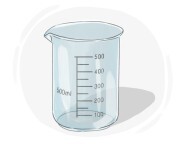
a flat-bottomed glass or plastic container used in laboratory experiments
ビーカー
a laboratory tool used to measure and transfer small volumes of liquid
ピペット, 滴下器
彼女はサンプルを試験管に移す前に、ピペットを注意深く較正しました。
a device that spins samples to separate components based on density
遠心分離機, セントリフュージ
医療検査ではしばしば遠心分離機の使用が必要です。
a special paper treated with chemicals that change color in response to certain conditions, used to test for the presence of specific substances or measure pH levels
指示薬紙, リトマス紙
a tabular arrangement of chemical elements organized based on their atomic number, electron configuration, and recurring chemical properties
周期表, 元素の周期表
ドミトリ・メンデレーエフによって考案された周期表は、元素をその特性に基づいて行と列に分類します。
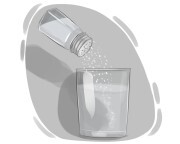
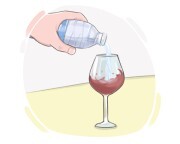
to become incorporated into a liquid and form a solution
溶ける, 溶解する
the process of dispersing or dissolving a substance into a solvent to form a homogeneous solution
可溶化, 溶解
the arrangement, composition, and characteristics of a material at a microscopic level
微細構造, 顕微鏡的構造
denoting substances with a highly organized molecular structure, akin to crystals
結晶質の, 結晶化した
雪の結晶の結晶構造は、それぞれをユニークにします。
the measure of how much of a substance is present in a certain volume of solution
濃度
a device used to analyze the chemical composition of small samples at a microscopic scale
マイクロプローブ, 顕微鏡的プローブ
a substance capable of absorbing and retaining a large amount of liquid relative to its own mass
超吸収体, 超吸収性材料
a type of metallic material composed of three or more elements mixed together in varying proportions
多成分合金, 複数成分の合金
a tiny, tube-shaped structure made of carbon atoms, with remarkable strength and electrical properties
ナノチューブ, ナノメートルチューブ
研究者たちは、より強く軽い材料の開発においてカーボンナノチューブの使用を探求しています。
heated to a liquid state due to high temperatures
溶けた, 高温により液体状態になった
溶けた金属が鋳造所のるつぼを満たし、型に流し込む準備ができました。
a group of atoms bonded together that behaves as a single unit within a molecule
ラジカル, 官能基
a phase is a distinct form of matter with uniform chemical and physical properties, separated from other forms by boundaries
相, 状態
the process where calcium or calcium salts accumulate in a tissue, making it hard and rigid
石灰化, 石灰化の過程
骨の石灰化は、その強度と構造を維持するために不可欠です。
the process by which microorganisms convert carbohydrates into alcohol, acids, or gases
発酵
酵母による生地の発酵は二酸化炭素ガスを生成し、生地を膨らませ、焼くと軽くてふんわりとした状態にします。
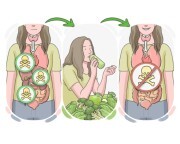
to eliminate or neutralize harmful substances
解毒する, 有害物質を中和する
肝臓は有害物質を除去することで体を絶えず解毒します。
to analyze or test a substance, typically in a laboratory setting, to determine its components or qualities
分析する, 試験する
科学者たちは栄養素のレベルを測定するために土壌サンプルを分析します。
a scientist who studies the structure and properties of crystals
結晶学者, 結晶学の専門家
結晶学者は、鉱物サンプルを分析するためにX線回折を使用しました。
a scientist who studies the chemical composition and processes of celestial bodies to understand the formation and evolution of the universe
宇宙化学者, 天体の化学組成と過程を研究する科学者
a laboratory technique used to separate and analyze mixtures of substances based on their differential affinities for a stationary phase and a mobile phase
クロマトグラフィー
科学者は葉の抽出物中の色素を分離するためにクロマトグラフィーを使用しました。
a type of radioactive decay where a nucleus emits a beta particle (electron or positron) to transform a neutron into a proton or vice versa
ベータ崩壊, β崩壊
炭素14は電子を放出して窒素14にベータ崩壊します。
not having an electrical charge
充電されていない, 電荷を持たない
水分子は帯電していない、中性の酸素と水素原子から成る。
a laboratory method used to determine the concentration of a substance in a solution by gradually adding a reagent of known concentration until a reaction is completed
滴定, 定量
化学実験室で、私たちは酢酸の濃度を求めるために滴定を使用しました。
a state in a chemical reaction where the forward and reverse reactions occur at the same rate, resulting in no net change in the concentrations of reactants and products
平衡
動的平衡状態では、正反応の速度は逆反応の速度と等しい。
a device that turns vapor into liquid by cooling it
凝縮器, 冷却器
蒸留装置には、蒸気から液体を集めるための凝縮器が含まれていました。
weak attractive forces between molecules or atoms, arising from temporary or induced dipoles
ファンデルワールス力, ファンデルワールス相互作用
水分子は水素結合によって結びついており、それはファンデルワールス力よりも強い。
a scientist or engineer who specializes in the study and production of metals and alloys, including their properties, processing methods, and applications
冶金学者, 冶金の専門家
冶金学者は、新しい航空宇宙材料の最適な合金組成を決定するために実験を行った。
the process by which molecules of a substance adhere to the surface of a solid or liquid, forming a thin film or layer
吸着, 吸着作用
活性炭はその高い吸着能力で知られており、水や空気の浄化に効果的です。
a renewable, alternative fuel made from organic materials such as vegetable oils, animal fats, or recycled cooking grease
バイオディーゼル, バイオ燃料
そのトラックはバイオディーゼルで動いており、通常のディーゼルよりも環境に優しいです。
(chemistry) the process of separating a liquid or solution into its parts by passing electricity through it
電気分解, 電解
塩水を電気分解することにより、さまざまな産業用途がある塩素ガスと水酸化ナトリウムを生産できます。
to disperse small particles throughout a liquid or gas so that they remain floating within it
懸濁させる
a specific composition of a mixture of substances, typically metals or alloys, where the melting point is at its lowest possible temperature under atmospheric pressure
共晶, 共晶組成
合金の共晶組成は、鋳造に適した正確な温度で均一に溶けることを保証します。