
pattern

決定、提案、義務 - 提案の提供

ここでは、「ヒント」、「提案する」、「挑戦」などの提案に関連するいくつかの英単語を学びます。

レビュー

フラッシュカード

語形

綴り

クイズ

学習を開始
Words Related to Decision, Suggestion, and Obligation
to advance
to advance
[動詞]

to propose an idea or theory for discussion

提案する, 進める

提案する, 進める

Ex: Recognizing the need for change, the team leader advanced a proposal to restructure the project timeline. 
alternatively

as a second choice or another possibility

代替的に, 別の選択肢として

代替的に, 別の選択肢として

Ex: If you prefer not to drive, you can alternatively take the train to the city. 
always
always
[副詞]

as an available alternative when other options fail

いつも, 最後の手段として

いつも, 最後の手段として

Ex: If the restaurant is full, we can always eat at home. 

レストランが満員なら、私たちはいつでも家で食事をすることができます。

(at|on) {one's} suggestion

according to someone else's suggestion
Ex: On his suggestion, I applied for the job. 
to bespeak
to bespeak
[動詞]

to indicate or show something

示す, 表す

示す, 表す

better
better
[形容詞]

more suitable or effective compared to other available options

より良い, より適した

より良い, より適した

Ex: It's better to get enough rest before the exam. 

試験前に十分な休息をとるのが良いです。

to bring forward

to suggest something for discussion or consideration

提案する, 持ち出す

提案する, 持ち出す

Ex: Let's bring the topic forward for discussion at the beginning of the session. 

セッションの初めに議論のためにトピックを提案しましょう。

can
can
[動詞]

used to present an offer or suggestion

できる, 知っている

できる, 知っている

Ex: We can meet after work if that suits you. 
challenge
challenge
[名詞]

an invitation or call to engage in a contest, competition, or fight

挑戦, 対戦の呼びかけ

挑戦, 対戦の呼びかけ

Ex: The sports team issued a challenge to the reigning champions. 
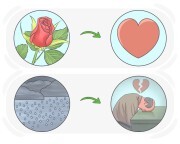
to challenge
to challenge
[動詞]

to invite someone to compete or strongly suggest they should do something, often to test their abilities or encourage action

挑戦する, 競争に誘う
挑戦する, 競争に誘う

Ex: The manager is challenging the employees to come up with innovative ideas. 
connotation
connotation
[名詞]

an idea, feeling, or meaning that is implied, suggested, or associated with a word or expression beyond its literal definition

含意, ニュアンス

含意, ニュアンス

Ex: "Home" has connotations of warmth and security. 
to connote
to connote
[動詞]

to implicitly convey something such as an idea, feeling, etc. in addition to something's basic meaning

暗示する, 含み持つ

暗示する, 含み持つ

Ex: The use of warm colors like red and orange in the painting connotes a sense of passion and intensity. 

絵画の中で赤やオレンジのような暖色を使うことは、情熱と強烈さの感覚を暗示します。

could
could
[動詞]

used to present an offer or recommendation

できる, できます

できる, できます

failing
failing
[前置詞]

‌used to present an alternative suggestion in case something does not happen or succeed

失敗した場合

失敗した場合

Ex: Sarah hoped to secure a full scholarship for college; failing that, she planned to apply for financial aid. 

サラは大学の全額奨学金を獲得することを望んでいた;それがダメなら、彼女は財政援助を申請する予定だった。

to float
to float
[動詞]

to suggest an idea, plan, or proposal so that others can consider it

提案する, 提起する

提案する, 提起する

Ex: Emma floated the idea of working from home on Fridays. 
for what it is worth

used before a comment or opinion to indicate that the speaker is sharing it, even though they may not be sure of its value or significance

参考までに, 役に立つか分からないけど

参考までに, 役に立つか分からないけど

Ex: For what it's worth, I think you handled the meeting really well. 

参考までに言うと、あの会議は本当にうまく進めていたと思う。

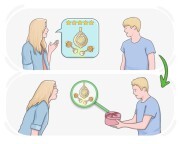
to hazard
to hazard
[動詞]

to offer a guess, opinion, or suggestion despite the possibility of being wrong

推測する, 思い切って言う
推測する, 思い切って言う

Ex: I would hazard a guess that Rachel is in her early thirties. 
to hint
to hint
[動詞]

to suggest or communicate something indirectly rather than state it clearly

Ex: Sarah hinted that she might leave the company soon. 
hint
hint
[名詞]

a small piece of advice or information that helps someone solve a problem or do something

ヒント

ヒント

Ex: The teacher gave Emma a hint when she got stuck on the puzzle. 
how about

used to inquire information about someone or something
Ex: How about going for a walk after dinner? 
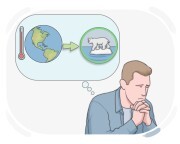
to hypothesize

to propose a theory or explanation based on limited evidence

仮説を立てる, 仮定する

仮説を立てる, 仮定する

Ex: Before conducting the experiment, scientists need to hypothesize about the expected outcomes based on existing knowledge. 

実験を行う前に、科学者は既存の知識に基づいて予想される結果について仮説を立てる必要があります。

idea
idea
[名詞]

a suggestion or thought about something that we could do

アイデア, 提案

アイデア, 提案

Ex: I appreciate your input; your idea about streamlining the process is worth considering. 
implicit
implicit
[形容詞]

suggesting something without directly stating it

暗黙の, 暗示的な

暗黙の, 暗示的な

Ex: His implicit approval was evident from the nod of his head. 
implicitly
implicitly
[副詞]

in a way that is understood or suggested without being directly stated

暗黙裡に, 間接的に

暗黙裡に, 間接的に

Ex: The agreement was implicitly reached during the informal discussion. 

非公式な議論の間に合意が暗黙のうちに成立しました。

LanGeek
LanGeekアプリをダウンロード