pattern

TOEFL のための上級語彙 - 物理学と化学

ここでは、TOEFL試験に必要な「真空」、「アルカリ」、「イオン」などの物理学と化学に関するいくつかの英単語を学びます。

レビュー

フラッシュカード

綴り

クイズ
学習を開始
Advanced Words Needed for TOEFL
vacuum
vacuum
[名詞]

a space that is utterly empty of all matter
真空, 虚空

真空, 虚空

Ex: In physics, a vacuum is defined as a space devoid of any matter particles, including atoms and molecules. 

物理学では、真空は原子や分子を含むあらゆる物質粒子が存在しない空間として定義されます。
to bond
to bond
[動詞]

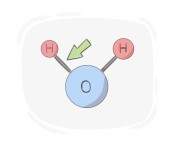
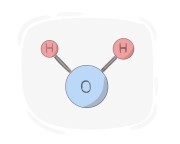
(chemistry) to merge or be merged by a chemical bond

結合する, 結びつく
結合する, 結びつく

Ex: When hydrogen and nitrogen bond, they form ammonia molecules. 
composition
composition
[名詞]

the parts or elements that something consists of and the way they are combined

組成,  構成
組成, 構成

Ex: Scientists analyzed the chemical composition of the water. 
to distill
to distill
[動詞]

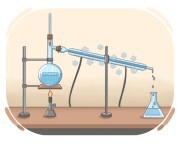
to heat a liquid and turn it into gas then cool it and make it liquid again in order to purify it

蒸留する, 蒸留によって精製する

蒸留する, 蒸留によって精製する

Ex: The chemist is currently distilling the solution to isolate the pure compound. 

化学者は現在、純粋な化合物を分離するために溶液を蒸留しています。

to compress
to compress
[動詞]

to press two things together or be pressed together to become smaller

圧縮する, 押しつぶす

圧縮する, 押しつぶす

Ex: She compressed her lips together to suppress a smile. 

彼女は笑いを抑えるために唇を押しつぶした。

dark matter
dark matter
[名詞]

(physics) an invisible substance that makes up most of the universe's mass, detectable only through its gravitational effects

暗黒物質, ダークマター

暗黒物質, ダークマター

Ex: Dark matter is a form of matter that does not emit, absorb, or reflect light, making it invisible and detectable only through its gravitational effects. 

暗黒物質は、光を放出、吸収、反射しない物質の形態であり、そのため不可視で、重力効果を通じてのみ検出可能です。

antimatter
antimatter
[名詞]

(physics) matter consisting of elementary particles that are the antiparticles of those of regular matter

反物質, アンチマター

反物質, アンチマター

Ex: Antimatter is composed of antiparticles, which have the same mass as their corresponding particles but opposite electric charge. 

反物質は、対応する粒子と同じ質量を持つが、反対の電荷を持つ反粒子から構成されています。

catalyst
catalyst
[名詞]

(chemistry) a substance that causes a chemical reaction to happen at a faster rate without undergoing any chemical change itself

触媒, 活性化剤

触媒, 活性化剤

Ex: Enzymes are naturally occurring biological catalysts that allow complex metabolic reactions to proceed efficiently in living cells. 

酵素は、生体内で自然に発生する生物学的触媒であり、複雑な代謝反応が生細胞内で効率的に進行することを可能にします。

to accelerate

to increase the velocity of something

加速する, 速度を上げる

加速する, 速度を上げる

Ex: In a cyclotron, charged particles are accelerated by alternating electric fields. 
alkali
alkali
[名詞]

any water-soluble compound that can turn litmus blue and reacts with an acid to form a salt and water

アルカリ, 塩基

アルカリ, 塩基

Ex: Sodium hydroxide is a strong alkali commonly used in soap making. 

水酸化ナトリウムは、石鹸製造に一般的に使用される強いアルカリです。

solvent
solvent
[名詞]

a liquid that is capable of dissolving another substance

溶媒, 溶剤

溶媒, 溶剤

Ex: Ethanol is commonly used as a solvent to dissolve oils and perfume essences for the production of aftershaves and colognes. 

エタノールは、アフターシェーブやコロンの製造のために油や香水のエッセンスを溶かす溶媒として一般的に使用されています。

ammonia
ammonia
[名詞]

a sharp-smelling gas made of nitrogen and hydrogen

アンモニア, 窒化水素

アンモニア, 窒化水素

Ex: Ammonia has a strong, sharp odor that can irritate the eyes and throat. 

アンモニアは、目や喉を刺激する可能性のある強く鋭い臭いがあります。

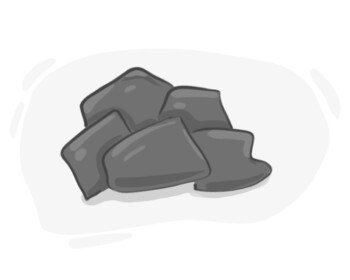
charcoal
charcoal
[名詞]

a hard black substance consisting of an amorphous form of carbon which is made by slowly burning wood and is used as fuel or for drawing

木炭, 炭

木炭, 炭

charged
charged
[形容詞]

having an electric charge

帯電した, 充電された

帯電した, 充電された

Ex: The metal sphere became charged when it was rubbed with a woolen cloth. 

金属の球体は、ウールの布でこすられると帯電しました。

conductor
conductor
[名詞]

a substance that permits electricity to pass through or along it

導体, 伝導体

導体, 伝導体

Ex: Copper is widely used as a conductor in electrical wiring because of its excellent conductivity. 

導体は、その優れた導電性のために電気配線で広く使用されています。

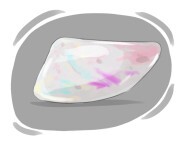
crystal
crystal
[名詞]

a solid whose atoms, ions, or molecules are arranged in a regular repeating structure

結晶,  クリスタル

結晶, クリスタル

Ex: Salt forms small crystals as the water evaporates. 
ion
ion
[名詞]

a particle with a net electric charge due to loss or gain of one or more electrons

イオン, 荷電粒子

イオン, 荷電粒子

Ex: Sodium ions (Na⁺) and chloride ions (Cl⁻) combine to form table salt. 

ナトリウムイオン(Na⁺)と塩化物イオン(Cl⁻)が結合して食卓塩を形成します。

electromagnetic
electromagnetic
[形容詞]

referring to the combined interaction of electric and magnetic fields, often associated with waves or radiation

電磁気の, 電磁場に関連する

電磁気の, 電磁場に関連する

Ex: Light is an electromagnetic wave that can travel through a vacuum. 

光は真空を通過できる電磁波です。

nuclear fission

the process or action of splitting a nucleus into two or more parts resulting in the release of a significant amount of energy

核分裂, 原子核分裂

核分裂, 原子核分裂

Ex: Nuclear fission is a process in which the nucleus of an atom splits into two or more smaller nuclei, releasing a large amount of energy. 

核分裂は、原子の核が二つ以上のより小さな核に分裂し、大量のエネルギーを放出する過程です。
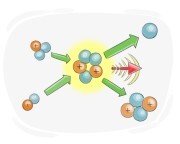
nuclear fusion

(physics) the reaction in which two nuclei join together and produce energy

核融合

核融合

Ex: Nuclear fusion is the process in which two atomic nuclei combine to form a heavier nucleus, releasing a large amount of energy in the process. 

核融合は、2つの原子核が結合してより重い原子核を形成し、その過程で大量のエネルギーを放出するプロセスです。
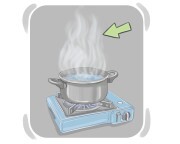
to evaporate
to evaporate
[動詞]

to become gas or vapor from liquid

蒸発する, 気化する

蒸発する, 気化する

Ex: Water can evaporate when exposed to heat. 

水は熱にさらされると蒸発することがあります。

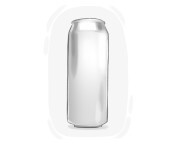
aluminum
aluminum
[名詞]

a light silver-gray metal used primarily for making cooking equipment and aircraft parts

アルミニウム, アルミニウム

アルミニウム, アルミニウム

Ex: The new set of aluminum cookware is both lightweight and highly resistant to corrosion, making it perfect for the kitchen. 

新しいアルミニウム製の調理器具セットは軽量で腐食に非常に強く、キッチンに最適です。

alloy
alloy
[名詞]

a combination of two or more metals, creating a metal that is usually stronger or more resistant

合金

合金

Ex: An alloy is a mixture of two or more metals or a metal and another element. 

合金は、2つ以上の金属、または金属と他の元素の混合物です。

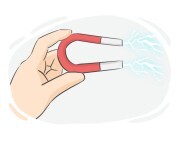
copper
copper
[名詞]

a reddish-brown metallic chemical element that conducts heat and electricity well and is widely used in electrical wiring and alloys

銅,  赤銅
銅, 赤銅

Ex: Copper is widely used in electrical wiring. 
magnetic
magnetic
[形容詞]

having the properties of a magnet and able to attract certain metals

磁気の,  磁性の

磁気の, 磁性の

Ex: The screwdriver has a magnetic tip that holds small screws. 
friction
friction
[名詞]

the resistance or opposing force encountered when one object moves in contact with another

摩擦, 抵抗

摩擦, 抵抗

Ex: Friction between the wheels and the road slows the car down. 

車輪と道路の間の摩擦が車を減速させます。

corrosion
corrosion
[名詞]

the gradual destruction of materials by chemical reaction, usually of metals

腐食

腐食

Ex: The pipes in the old house were heavily damaged by corrosion, resulting in leaks throughout the plumbing system. 

古い家の配管は腐食によってひどく損傷し、配管システム全体に漏れが生じました。

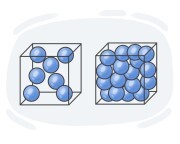
mass
mass
[名詞]

(physics) the property of matter that gives it weight in a gravitational field and is a measure of its inertia

質量, 物質の量
質量, 物質の量

Ex: According to Newton's second law of motion, the acceleration of an object is directly proportional to the net force acting on it and inversely proportional to its mass. 
density
density
[名詞]

(physics) the mass of a substance or object per unit of volume

密度

密度

Ex: Lead has a much higher density than aluminum. 
velocity
velocity
[名詞]

the speed at which something moves in a specific direction

速度, 速さ

速度, 速さ

Ex: The velocity of an object is the rate of change of its position with respect to time. 

物体の速度とは、時間に対する位置の変化率のことです。

lead
lead
[名詞]

a heavy soft metal, used in making bullets, in plumbing and roofing, especially in the past

鉛, 重金属

鉛, 重金属

Ex: The old building's roof was made of lead sheets, a durable material that provided excellent protection against the elements. 
graphite
graphite
[名詞]

(chemistry) a soft, gray-black form of carbon used as a lubricant and as a moderator in nuclear reactors

黒鉛,  石墨

黒鉛, 石墨

Ex: Graphite is often mixed with clay to make pencil leads. 
mercury
mercury
[名詞]

a dense, silvery, toxic metal that is liquid at room temperature and can form different chemical compounds

水銀, 生銀

水銀, 生銀

Ex: Mercury is used in some thermometers and barometers. 
nickel
nickel
[名詞]

a hard, silvery, malleable, and corrosion-resistant metallic element used in alloys and plating

ニッケル, ニッケル

ニッケル, ニッケル

Ex: The coin is made primarily of nickel and copper. 

このコインは主にニッケルと銅でできています。

plasma
plasma
[名詞]

a gas with nearly no electrical charge that exists in the sun and other stars

プラズマ, 電離したガス

プラズマ, 電離したガス

uranium
uranium
[名詞]

(chemistry) a heavy, silvery-white, radioactive metal used as fuel in nuclear reactors and in nuclear weapons

ウラン
ウラン

Ex: Uranium is mined from the earth and processed for use in nuclear power plants. 
radioactive
radioactive
[形容詞]

containing or relating to a dangerous form of energy produced by nuclear reactions

放射性の,  放射能を持つ

放射性の, 放射能を持つ

Ex: Radioactive isotopes are used in medical imaging for diagnostic purposes. 

放射性同位体は、診断目的で医療画像に使用されます。

thermal
thermal
[形容詞]

(physics) relating to or produced by heat

熱の
熱の

Ex: The thermal energy from the sun warms the surface of the earth. 
static
static
[形容詞]

remaining in a fixed position without moving

静的,  静止した

静的, 静止した

Ex: The camera remained static throughout the entire scene. 
synthetic
synthetic
[形容詞]

produced artificially, typically based on its natural version

合成の, 人工の

合成の, 人工の

Ex: She chose synthetic turf for her backyard instead of natural grass for its low maintenance and durability. 

彼女は手入れが少なく耐久性があるため、天然芝の代わりに裏庭に人工芝を選びました。

LanGeek
LanGeekアプリをダウンロード