
Продвинутый Словарный Запас для TOEFL - Физика и химия
Здесь вы выучите некоторые английские слова по физике и химии, такие как "вакуум", "щелочь", "ион" и т.д., которые необходимы для экзамена TOEFL.
Обзор
Флэш-карточки
Правописание
Тест


a space that is utterly empty of all matter

вакуум
В физике вакуум определяется как пространство, лишённое каких-либо частиц материи, включая атомы и молекулы.
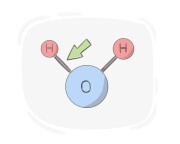
(chemistry) to merge or be merged by a chemical bond
соединяться
В реакции атомы водорода связываются с атомами кислорода, образуя молекулы воды.
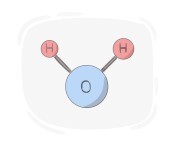
the different elements that form something or the arrangement of these elements
состав
Состав молекул воды состоит из двух атомов водорода и одного атома кислорода, химически связанных вместе.
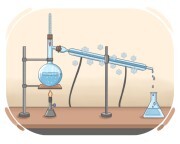
to heat a liquid and turn it into gas then cool it and make it liquid again in order to purify it
дистиллировать
Химик в настоящее время перегоняет раствор, чтобы выделить чистое соединение.
to press two things together or be pressed together to become smaller
сжимать
Она сжала губы, чтобы подавить улыбку.
(physics) an invisible substance that makes up most of the universe's mass, detectable only through its gravitational effects
темная материя
Тёмная материя — это форма материи, которая не излучает, не поглощает и не отражает свет, что делает её невидимой и обнаруживаемой только по её гравитационным эффектам.
(physics) matter consisting of elementary particles that are the antiparticles of those of regular matter
антивещество
Антиматерия состоит из античастиц, которые имеют ту же массу, что и соответствующие частицы, но противоположный электрический заряд.
(chemistry) a substance that causes a chemical reaction to happen at a faster rate without undergoing any chemical change itself
катализатор
В процессе Габера железо используется в качестве катализатора для содействия синтезу аммиака из газообразного азота и водорода.
to increase the velocity of something
ускорять
В ускорителе частиц ученые используют электромагнитные поля для ускорения субатомных частиц до скоростей, близких к скорости света.
any water-soluble compound that can turn litmus blue and reacts with an acid to form a salt and water
щелочь
Гидроксид натрия — это сильное щелочное вещество, обычно используемое в производстве мыла.
a liquid that is capable of dissolving another substance
растворитель
Вода — это универсальный растворитель, способный растворять больше веществ, таких как соль и сахар, чем любая другая жидкость.
a sharp-smelling gas made of nitrogen and hydrogen
аммиак
Аммиак имеет сильный, резкий запах, который может раздражать глаза и горло.
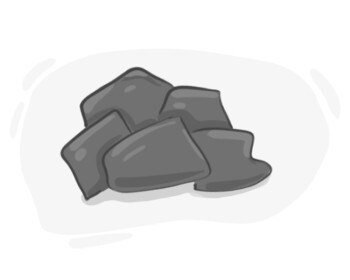
a hard black substance consisting of an amorphous form of carbon which is made by slowly burning wood and is used as fuel or for drawing
древесный уголь
having an electric charge
зарядный
Металлический шар стал заряженным, когда его терли шерстяной тканью.
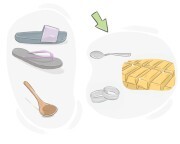
a substance that permits electricity to pass through or along it
проводник
Проводник широко используется в электрической проводке благодаря своей отличной проводимости.
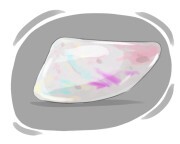
a solid substance formed when a chemical compound solidifies, with atoms arranged in a highly regular, repeating pattern
хрусталь
Соль образует кубический кристалл при затвердевании.
a particle with a net electric charge due to loss or gain of one or more electrons
ион
Ионы натрия (Na⁺) и ионы хлорида (Cl⁻) соединяются, образуя поваренную соль.
referring to the combined interaction of electric and magnetic fields, often associated with waves or radiation
электромагнитный
Свет — это электромагнитная волна, которая может распространяться в вакууме.
the process or action of splitting a nucleus into two or more parts resulting in the release of a significant amount of energy
ядерное деление
Ядерное деление — это процесс, при котором ядро атома расщепляется на два или более меньших ядра, высвобождая большое количество энергии.
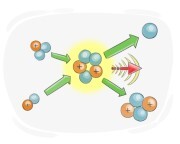
(physics) the reaction in which two nuclei join together and produce energy
ядерной синтез
Ядерный синтез — это процесс, в котором два атомных ядра объединяются, образуя более тяжелое ядро, выделяя при этом большое количество энергии.
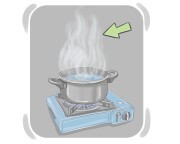
to become gas or vapor from liquid
испаряться
Вода может испаряться при воздействии тепла.
a light silver-gray metal used primarily for making cooking equipment and aircraft parts
алюминий
Новый набор кухонной посуды из алюминия легкий и обладает высокой устойчивостью к коррозии, что делает его идеальным для кухни.
a combination of two or more metals, creating a metal that is usually stronger or more resistant
сплав
Сплав — это смесь двух или более металлов или металла и другого элемента.

a metallic chemical element that has a red-brown color, primarily used as a conductor in wiring
медь
Медь ценится за высокую электропроводность, что делает ее идеальной для проводки в электрических системах.
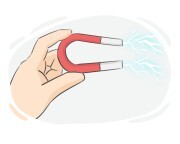
(physics) possessing the attribute of attracting metal objects such as iron or steel
магнитный
Магниты проявляют магнитные свойства, притягивая железные опилки.
the resistance or opposing force encountered when one object moves in contact with another
трение
Трение между колёсами и дорогой замедляет автомобиль.
the gradual destruction of materials by chemical reaction, usually of metals
коррозия
Трубы в старом доме были сильно повреждены коррозией, что привело к утечкам по всей системе водоснабжения.
(physics) the property of matter that gives it weight in a gravitational field and is a measure of its inertia
масса
В физике масса — это мера количества вещества в объекте.
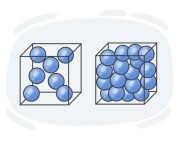
(physics) the degree to which a substance is compacted, measured by dividing its mass by its volume
плотность
Плотность воды составляет приблизительно 1 грамм на кубический сантиметр (г/см³).
the speed at which something moves in a specific direction
скорость
Скорость объекта — это скорость изменения его положения относительно времени.
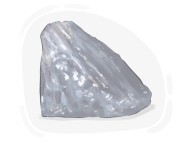
a heavy soft metal, used in making bullets, in plumbing and roofing, especially in the past
свинец
Исторически свинец широко использовался в сантехнических системах из-за его ковкости и устойчивости к коррозии.
a soft, black, and highly conductive material made up of carbon atoms that is commonly used in pencils and as a lubricant
графит
a dense, silvery, toxic metal that is liquid at room temperature and can form different chemical compounds
ртуть
Ртуть используется в некоторых термометрах и барометрах.
a hard, silvery, malleable, and corrosion-resistant metallic element used in alloys and plating
никель
Монета сделана в основном из никеля и меди.
a gas with nearly no electrical charge that exists in the sun and other stars
плазма
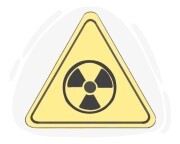
containing or relating to a dangerous form of energy produced by nuclear reactions
радиоактивный
Радиоактивные изотопы используются в медицинской визуализации для диагностических целей.
related to heat or temperature, including how heat moves, how materials expand with temperature changes, and the energy stored in heat
тепловой
По мере повышения температуры металл расширялся из-за теплового расширения.
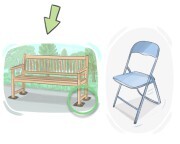
remaining still, with no change in position
статический
Статичное положение статуи придавало ей ощущение постоянства в парке.

produced artificially, typically based on its natural version
синтетический
Ученый разработал синтетическую версию природного соединения, найденного в лекарственных растениях, чтобы усилить его терапевтические свойства.
