

pattern

IELTS Academic을 위한 어휘 (점수 5) - Biology

여기에서는 기본 학술 IELTS 시험에 필요한 생물학 관련 영어 단어를 배우게 됩니다.

리뷰

플래시카드

철자법

퀴즈

학습 시작
Vocabulary for IELTS Academic (Band 5)
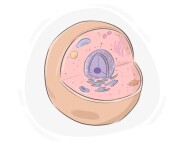
cell
cell
[명사]

an organism's smallest unit, capable of functioning on its own

세포

세포

Ex: The study of cells, known as cell biology or cytology, delves into their structure, function, and interactions. 
닫기
로그인
organism
organism
[명사]

a living thing such as a plant, animal, etc., especially a very small one that lives on its own

생물, 유기체

생물, 유기체

Ex: The pond ecosystem is home to a variety of organisms, including fish, algae, and bacteria. 
닫기
로그인
DNA
DNA
[명사]

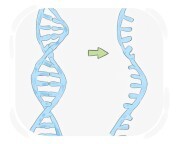
(biochemistry) a chemical substance that carries the genetic information, which is present in every cell and some viruses

DNA, 디옥시리보핵산

DNA, 디옥시리보핵산

Ex: DNA, or deoxyribonucleic acid, contains the genetic instructions for living organisms. 
닫기
로그인
RNA
RNA
[명사]

(biochemistry) a chemical substance that carries the information from DNA to control the cellular protein biosynthesis

RNA, 리보핵산

RNA, 리보핵산

Ex: RNA transcribes genetic information from DNA to guide protein production. 
닫기
로그인
gene
gene
[명사]

(genetics) a basic unit of heredity and a sequence of nucleotides in DNA that is located on a chromosome in a cell and controls a particular quality

유전자, 유전 단위

유전자, 유전 단위

Ex: The gene responsible for eye color is inherited from both parents. 
닫기
로그인
protein
protein
[명사]

a complex biological molecule made up of amino acids that performs crucial functions in living organisms

단백질, 프로틴

단백질, 프로틴

Ex: Hemoglobin, a protein in red blood cells, transports oxygen. 
닫기
로그인
evolution
evolution
[명사]

(biology) the slow and gradual development of living things throughout the history of the earth

진화

진화

Ex: Evolution is the process by which species change over time in response to environmental pressures. 
닫기
로그인
virus
virus
[명사]

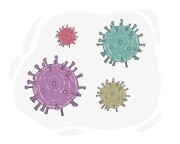
a microscopic agent that causes disease in people, animals, and plants

바이러스

바이러스

Ex: A virus entered his body and made him sick. 
닫기
로그인
bacteria
bacteria
[명사]

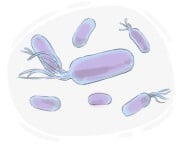
(microbiology) single-celled microorganisms that can be found in various environments, including soil, water, and living organisms, and can be beneficial, harmful, or neutral

박테리아

박테리아

Ex: Bacteria play a crucial role in the decomposition of organic matter in the ecosystem. 
닫기
로그인
fungus
fungus
[명사]

a plant-like organism that often grows on organic matter and has no flowers or leaves, such as moulds and mushrooms

균류, 곰팡이

균류, 곰팡이

Ex: They discovered a new species of fungus in the rainforest that glows in the dark. 
닫기
로그인
antibody
antibody
[명사]

a blood protein produced to fight diseases or infections, or in response to foreign substances in the body

항체, 면역글로불린

항체, 면역글로불린

Ex: Antibodies stop harmful germs and tag them for immune cells to destroy. 
닫기
로그인
hormone
hormone
[명사]

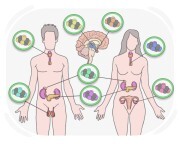
a chemical substance produced in the body of living things influencing growth and affecting the functionality of cells or tissues

호르몬, 호르몬 물질

호르몬, 호르몬 물질

Ex: Insulin, a hormone from the pancreas, controls blood sugar levels. 
닫기
로그인
nucleus
nucleus
[명사]

(biology) the part of a cell that contains most of the genetic information

핵, 누클레우스

핵, 누클레우스

Ex: The nucleus of a cell contains genetic material in the form of DNA, which regulates cellular activities. 
닫기
로그인
neuron
neuron
[명사]

a cell that is responsible for transmitting nerve impulses between the brain and the rest of the body

뉴런, 신경 세포

뉴런, 신경 세포

Ex: Neurons transmit signals at speeds of up to 120 meters per second. 
닫기
로그인
LanGeek
LanGeek 앱 다운로드