
Slovní zásoba pro IELTS Academic (Skóre 5) - Biologie
Zde se naučíte některá anglická slova související s biologií, která jsou nezbytná pro základní akademickou zkoušku IELTS.
Revize
Kartičky
Pravopis
Kvíz
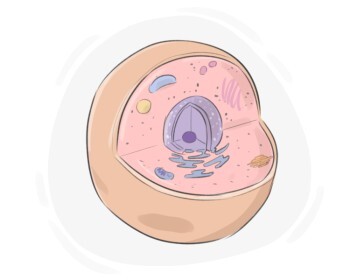
an organism's smallest unit, capable of functioning on its own

buňka
Studium buněk, známé jako buněčná biologie nebo cytologie, se zabývá jejich strukturou, funkcí a interakcemi.

a living thing such as a plant, animal, etc., especially a very small one that lives on its own
organismus, živý tvor
Jednobuněčný organismus, jako je améba, může vykazovat složité chování.
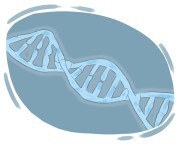
(biochemistry) a chemical substance that carries the genetic information, which is present in every cell and some viruses
DNA, deoxyribonukleová kyselina
DNA obsahuje instrukce pro stavbu bílkovin v těle.
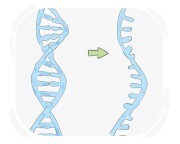
(biochemistry) a chemical substance that carries the information from DNA to control the cellular protein biosynthesis
RNA, ribonukleová kyselina
Vědci upravili RNA, aby opravili buněčnou poruchu.
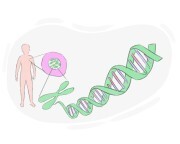
(genetics) a basic unit of heredity and a sequence of nucleotides in DNA that is located on a chromosome in a cell and controls a particular quality
gen, genetická jednotka
Studie odhalila, že některé geny by mohly ovlivnit inteligenci.

a complex biological molecule made up of amino acids that performs crucial functions in living organisms
bílkovina, protein
Kolagen, strukturní bílkovina, dodává pokožce její pružnost.
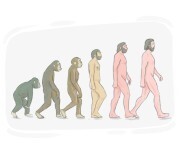
(biology) the slow and gradual development of living things throughout the history of the earth
evoluce
Evoluce vedla k neuvěřitelné rozmanitosti rostlin a zvířat, které dnes na Zemi vidíme.
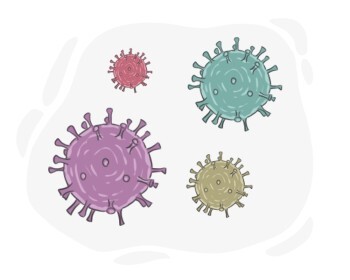
a microscopic agent that causes disease in people, animals, and plants
virus
Mytí rukou může pomoci zabránit šíření virů.
(microbiology) single-celled microorganisms that can be found in various environments, including soil, water, and living organisms, and can be beneficial, harmful, or neutral
bakterie
Správné mytí rukou pomáhá předcházet šíření bakterií a virů.
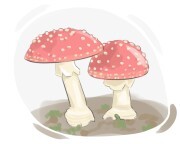
a plant-like organism that often grows on organic matter and has no flowers or leaves, such as moulds and mushrooms
houba, plíseň
Penicilin, přelomové antibiotikum, je odvozen od druhu houby.
a blood protein produced to fight diseases or infections, or in response to foreign substances in the body
protilátka, imunoglobulin
Léky, které oslabují váš imunitní systém, mohou snížit hladinu protilátek.
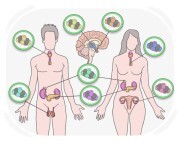
a chemical substance produced in the body of living things influencing growth and affecting the functionality of cells or tissues
hormon, hormonální látka
Estrogen, klíčový hormon, ovlivňuje ženský sexuální vývoj.
(biology) the part of a cell that contains most of the genetic information
jádro, nukleus
Mutace v genech uvnitř jádra mohou vést k genetickým poruchám a nemocem, ovlivňujícím normální funkci buněk a tkání.
a cell that is responsible for transmitting nerve impulses between the brain and the rest of the body
neuron, nervová buňka
Učení a paměť závisí na schopnosti neuronů vytvářet nová spojení.
| Slovní zásoba pro IELTS Academic (Skóre 5) | |||
|---|---|---|---|
| Education | Výzkum | Astronomie | Fyzika |
| Biologie | Chemie | Geologie | Psychologie |
| Matematika | Grafy a Obrázky | Geometrie | Životní prostředí |
| Energie a Výkon | Krajiny a Geografie | Technologie | Počítač |
| Internet | Výroba a Průmysl | Dějiny | Religion |
