
IELTS Academic के लिए शब्दावली (स्कोर 5) - जीवविज्ञान
यहां, आप बेसिक अकादमिक आईईएलटीएस परीक्षा के लिए आवश्यक जीव विज्ञान से संबंधित कुछ अंग्रेजी शब्द सीखेंगे।
समीक्षा करें
फ्लैशकार्ड्स
वर्तनी
प्रश्नोत्तरी

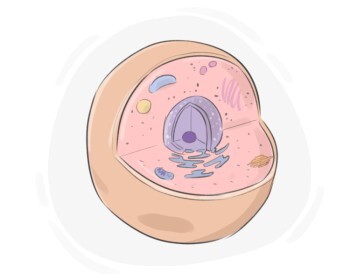
an organism's smallest unit, capable of functioning on its own

कोशिका

an individual living thing, such as an animal, plant, fungus, or bacterium
जीव, जीवधारी

(biochemistry) a chemical substance that carries the genetic information, which is present in every cell and some viruses
डीएनए, डीऑक्सीराइबोन्यूक्लिक एसिड
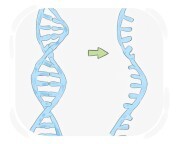
(biochemistry) a chemical substance that carries the information from DNA to control the cellular protein biosynthesis
आरएनए, राइबोन्यूक्लिक अम्ल
राइबोसोमल आरएनए अमीनो एसिड को प्रोटीन में इकट्ठा करने में मदद करता है।
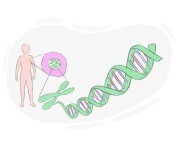
(genetics) a basic unit of heredity and a sequence of nucleotides in DNA that is located on a chromosome in a cell and controls a particular quality
जीन, आनुवंशिक इकाई

a complex biological molecule made up of amino acids that performs crucial functions in living organisms
प्रोटीन, प्रोटिड

the process by which populations of living organisms change genetically across successive generations
विकास, जैविक विकास
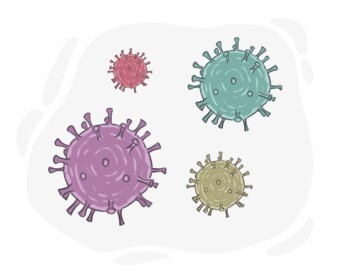
an infectious agent that reproduces only inside living cells and can cause disease
(microbiology) single-celled microorganisms that can be found in various environments, including soil, water, and living organisms, and can be beneficial, harmful, or neutral
जीवाणु
वैज्ञानिक ने उनकी विशेषताओं की पहचान करने के लिए एक माइक्रोस्कोप के तहत बैक्टीरिया का अध्ययन किया।
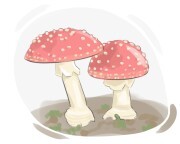
a plant-like organism that often grows on organic matter and has no flowers or leaves, such as moulds and mushrooms
कवक, फफूंदी
माली ने अपने पौधों की पत्तियों पर उगते हुए एक सफेद फंगस को देखा और इसे हटाने के लिए कदम उठाए।
a protein produced by the immune system that recognizes and helps neutralize harmful substances such as bacteria and viruses
प्रतिरक्षी, एंटीबॉडी
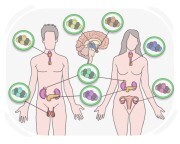
a chemical substance produced in the body of living things influencing growth and affecting the functionality of cells or tissues
हार्मोन, हार्मोनल पदार्थ
ऑक्सिन जैसे पौधे के हार्मोन प्रकाश की ओर तने के विकास को निर्देशित करते हैं।
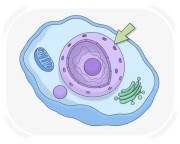
(biology) the part of a cell that contains most of the genetic information
केंद्रक, न्यूक्लियस
a cell that is responsible for transmitting nerve impulses between the brain and the rest of the body
न्यूरॉन, तंत्रिका कोशिका
प्रतिवर्ती चाप में संवेदी न्यूरॉन्स से मोटर न्यूरॉन्स तक सीधा संकेत शामिल होता है।
| IELTS Academic के लिए शब्दावली (स्कोर 5) | |||
|---|---|---|---|
| Education | अनुसंधान | खगोल विज्ञान | भौतिकी |
| जीवविज्ञान | रसायन विज्ञान | भूविज्ञान | मनोविज्ञान |
| गणित | ग्राफ़ और आंकड़े | ज्यामिति | पर्यावरण |
| ऊर्जा और शक्ति | दृश्य और भूगोल | प्रौद्योगिकी | कंप्यूटर |
| इंटरनेट | निर्माण और उद्योग | इतिहास | Religion |
