pattern

Từ vựng cho IELTS Academic (Điểm 5) - Sinh học

Ở đây, bạn sẽ học một số từ tiếng Anh liên quan đến Sinh học cần thiết cho kỳ thi IELTS Học thuật Cơ bản.

Xem lại

Thẻ ghi nhớ

Chính tả

Đố vui

Bắt đầu học
Vocabulary for IELTS Academic (Band 5)
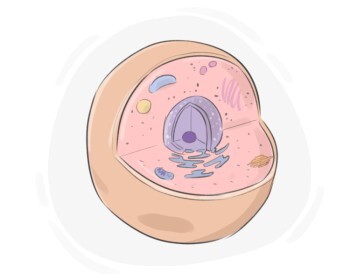
cell
cell
[Danh từ]

an organism's smallest unit, capable of functioning on its own

tế bào

tế bào

Ex: The discovery of cells and the development of cell theory by scientists such as Robert Hooke and Theodor Schwann revolutionized our understanding of living organisms. 
organism
organism
[Danh từ]

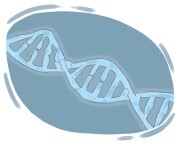
an individual living thing, such as an animal, plant, fungus, or bacterium

sinh vật,  cơ thể sống
sinh vật, cơ thể sống

Ex: A tree is a complex organism made up of many specialized cells. 
DNA
DNA
[Danh từ]

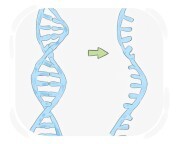
(biochemistry) a chemical substance that carries the genetic information, which is present in every cell and some viruses

DNA, axit deoxyribonucleic
DNA, axit deoxyribonucleic

Ex: Each DNA molecule is made up of two strands that form a double helix shape. 
RNA
RNA
[Danh từ]

(biochemistry) a chemical substance that carries the information from DNA to control the cellular protein biosynthesis

RNA, axit ribonucleic

RNA, axit ribonucleic

Ex: Viruses like SARS-CoV-2 use RNA as their genetic material. 

Các loại virus như SARS-CoV-2 sử dụng RNA làm vật liệu di truyền.
gene
gene
[Danh từ]

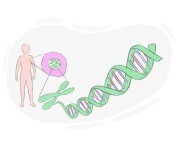
(genetics) a basic unit of heredity and a sequence of nucleotides in DNA that is located on a chromosome in a cell and controls a particular quality

gen, đơn vị di truyền

gen, đơn vị di truyền

Ex: Scientists study the genes to understand how diseases are passed down. 
protein
protein
[Danh từ]

a complex biological molecule made up of amino acids that performs crucial functions in living organisms

protein, chất đạm
protein, chất đạm

Ex: Enzymes are proteins that speed up chemical reactions. 
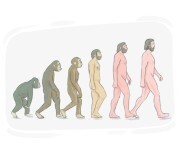
evolution
evolution
[Danh từ]

the process by which populations of living organisms change genetically across successive generations

tiến hóa,  quá trình tiến hóa
tiến hóa, quá trình tiến hóa

Ex: Natural selection is one of the major mechanisms of evolution. 
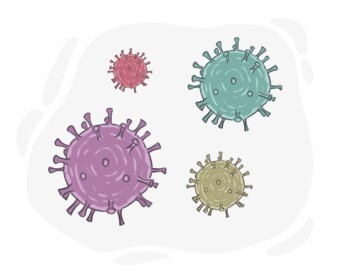
virus
virus
[Danh từ]

an infectious agent that reproduces only inside living cells and can cause disease

Ex: A vaccine can help the body recognize and fight a particular virus. 
bacteria
bacteria
[Danh từ]

(microbiology) single-celled microorganisms that can be found in various environments, including soil, water, and living organisms, and can be beneficial, harmful, or neutral

vi khuẩn

vi khuẩn

Ex: Yogurt contains beneficial bacteria that aid in digestion. 

Sữa chua chứa vi khuẩn có lợi giúp hỗ trợ tiêu hóa.
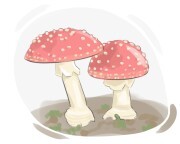
fungus
fungus
[Danh từ]

a plant-like organism that often grows on organic matter and has no flowers or leaves, such as moulds and mushrooms

nấm, mốc

nấm, mốc

Ex: The forest floor was dotted with various types of fungus, from mushrooms to mold. 

Sàn rừng được rải rác với nhiều loại nấm, từ nấm đến mốc.

antibody
antibody
[Danh từ]

a protein produced by the immune system that recognizes and helps neutralize harmful substances such as bacteria and viruses

kháng thể,  globulin miễn dịch
kháng thể, globulin miễn dịch

Ex: Vaccination helps the immune system develop specific antibodies. 
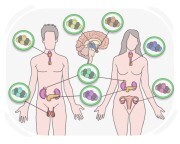
hormone
hormone
[Danh từ]

a chemical substance produced in the body of living things influencing growth and affecting the functionality of cells or tissues

hoóc môn, chất nội tiết

hoóc môn, chất nội tiết

Ex: Thyroid hormones regulate energy use and body temperature. 

Hormone tuyến giáp điều chỉnh việc sử dụng năng lượng và nhiệt độ cơ thể.
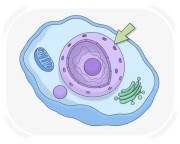
nucleus
nucleus
[Danh từ]

(biology) the part of a cell that contains most of the genetic information

nhân, nucleus

nhân, nucleus

Ex: Within the nucleus, there is a dense region called the nucleolus, where ribosomal RNA (rRNA) is synthesized and assembled into ribosomes. 
neuron
neuron
[Danh từ]

a cell that is responsible for transmitting nerve impulses between the brain and the rest of the body

nơ-ron, tế bào thần kinh

nơ-ron, tế bào thần kinh

Ex: A single neuron can connect to thousands of other nerve cells. 

Một nơ-ron đơn lẻ có thể kết nối với hàng ngàn tế bào thần kinh khác.

LanGeek
Tải ứng dụng LanGeek