
Woordenschat voor IELTS Academic (Score 5) - Biologie
Hier leer je enkele Engelse woorden met betrekking tot Biologie die nodig zijn voor het Basic Academic IELTS-examen.
Herzien
Flashcards
Spelling
Quiz

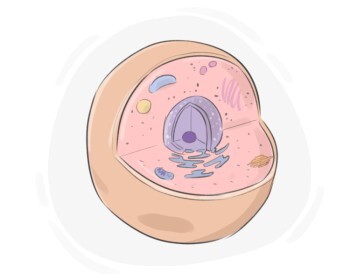
an organism's smallest unit, capable of functioning on its own

cel

an individual living thing, such as an animal, plant, fungus, or bacterium
organisme, levend wezen

(biochemistry) a chemical substance that carries the genetic information, which is present in every cell and some viruses
DNA, desoxyribonucleïnezuur
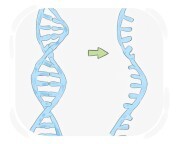
(biochemistry) a chemical substance that carries the information from DNA to control the cellular protein biosynthesis
RNA, ribonucleïnezuur
Virussen zoals SARS-CoV-2 gebruiken RNA als hun genetisch materiaal.

(genetics) a basic unit of heredity and a sequence of nucleotides in DNA that is located on a chromosome in a cell and controls a particular quality
gen, genetische eenheid

a complex biological molecule made up of amino acids that performs crucial functions in living organisms
eiwit, proteïne

the process by which populations of living organisms change genetically across successive generations
evolutie, biologische evolutie
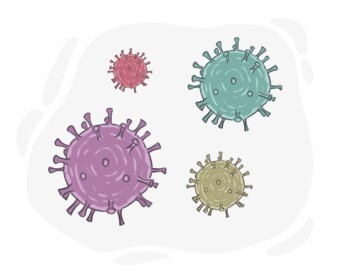
an infectious agent that reproduces only inside living cells and can cause disease
virus, virus
(microbiology) single-celled microorganisms that can be found in various environments, including soil, water, and living organisms, and can be beneficial, harmful, or neutral
bacteriën
Yoghurt bevat gunstige bacteriën die de spijsvertering helpen.

a plant-like organism that often grows on organic matter and has no flowers or leaves, such as moulds and mushrooms
schimmel, zwam
De bosbodem was bezaaid met verschillende soorten schimmels, van paddenstoelen tot schimmel.
a protein produced by the immune system that recognizes and helps neutralize harmful substances such as bacteria and viruses
antilichaam, immunoglobuline
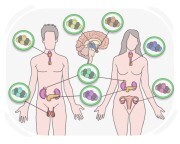
a chemical substance produced in the body of living things influencing growth and affecting the functionality of cells or tissues
hormoon, hormonale stof
De schildklier-hormonen reguleren het energiegebruik en de lichaamstemperatuur.
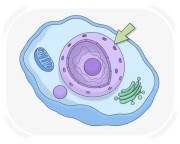
(biology) the part of a cell that contains most of the genetic information
celkern, nucleus
a cell that is responsible for transmitting nerve impulses between the brain and the rest of the body
neuron, zenuwcel
Een enkele neuron kan verbinding maken met duizenden andere zenuwcellen.
