
Vocabulário para IELTS Academic (Pontuação 5) - Biologia
Aqui, você aprenderá algumas palavras em inglês relacionadas à Biologia que são necessárias para o exame acadêmico básico do IELTS.
Revisar
Flashcards
Ortografia
Quiz

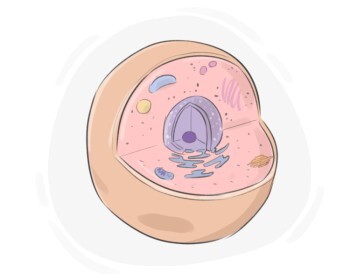
an organism's smallest unit, capable of functioning on its own
célula

an individual living thing, such as an animal, plant, fungus, or bacterium
organismo, ser vivo
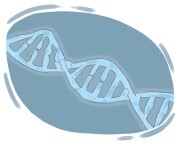
(biochemistry) a chemical substance that carries the genetic information, which is present in every cell and some viruses
ADN, ácido desoxirribonucleico
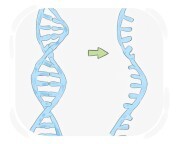
(biochemistry) a chemical substance that carries the information from DNA to control the cellular protein biosynthesis
RNA, ácido ribonucleico
Os cientistas editaram o RNA para corrigir um mau funcionamento celular.
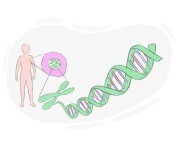
(genetics) a basic unit of heredity and a sequence of nucleotides in DNA that is located on a chromosome in a cell and controls a particular quality
gene, unidade genética

a complex biological molecule made up of amino acids that performs crucial functions in living organisms
proteína, protídeo

the process by which populations of living organisms change genetically across successive generations
evolução, evolução biológica
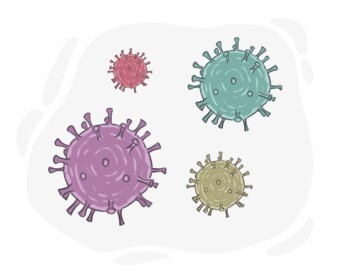
an infectious agent that reproduces only inside living cells and can cause disease
vírus, agente viral
(microbiology) single-celled microorganisms that can be found in various environments, including soil, water, and living organisms, and can be beneficial, harmful, or neutral
bactérias
Lavar as mãos corretamente ajuda a prevenir a propagação de bactérias e vírus.

a plant-like organism that often grows on organic matter and has no flowers or leaves, such as moulds and mushrooms
fungo, mofo
A penicilina, um antibiótico inovador, é derivada de um tipo de fungo.
a protein produced by the immune system that recognizes and helps neutralize harmful substances such as bacteria and viruses
anticorpo, imunoglobulina
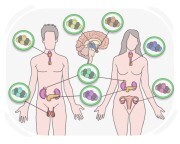
a chemical substance produced in the body of living things influencing growth and affecting the functionality of cells or tissues
hormônio, substância hormonal
O estrogênio, um hormônio chave, influencia o desenvolvimento sexual feminino.
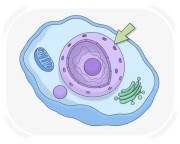
(biology) the part of a cell that contains most of the genetic information
núcleo, nucleo
a cell that is responsible for transmitting nerve impulses between the brain and the rest of the body
neurónio, célula nervosa
A aprendizagem e a memória dependem da capacidade dos neurônios de formar novas conexões.
