
250 najczęstszych angielskich czasowników frazowych - Top 226 - 250 Czasowniki Frazowe
Tutaj otrzymujesz część 10 listy najczęściej używanych czasowników frazowych w języku angielskim, takich jak "ubierać się elegancko", "przedstawiać" i "liczyć na".
Przegląd
Fiszki
formy
Pisownia
Test
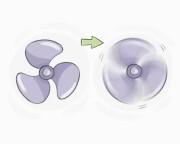
to make something operate, especially by accident

uruchomić, wywołać
Ciekawość dzieci dotycząca dużego czerwonego przycisku uruchomiła alarm w muzeum nauki.
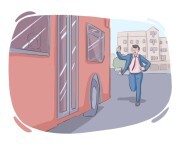
to go faster and reach someone or something that is ahead
dogonić, nadrobić
Samochód przyspieszył, próbując dogonić pędzący motocykl.

to wear formal clothes for a special occasion or event
ubrać się elegancko, wystroić się
Para postanowiła ubrać się elegancko na obiad z okazji rocznicy w eleganckiej restauracji.
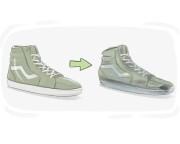
to cause something to lose its functionality or good condition over time or through extensive use
zużywać, niszczyć
Nadmierne ciepło może zużywać urządzenia elektroniczne, więc utrzymuj je dobrze wentylowane.

(of a concept, trend, or idea) to become popular
łapać, stawać się popularnym
Innowacyjna technologia nie przyjęła się od razu, ale po pewnym czasie stała się powszechnie znana.
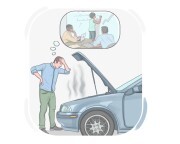
to happen, often unexpectedly
zdarzyć się, nastąpić
Jak doszło do tej sytuacji?

to intentionally exclude someone or something
pominąć, wykluczyć
Nauczyciel pominął moje wypracowanie w stosie oceniania, co spowodowało opóźnienie w otrzymaniu mojej opinii.
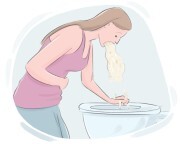
to expel the contents of the stomach through the mouth
wymiotować, zwracać
Choroba morska spowodowała, że kilku pasażerów na statku zwymiotowało.
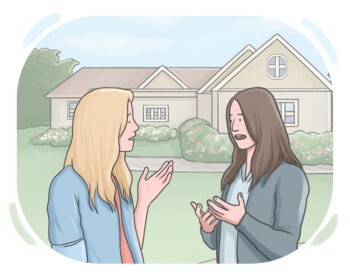
to tell someone about an idea, especially to know their opinion about it
przedstawić do konsultacji, skonsultować z
Projektant przedstawił układ strony klientowi, aby uwzględnić jego preferencje.

to go past someone or something
mijać, przechodzić obok
Minęła mnie bez powitania.
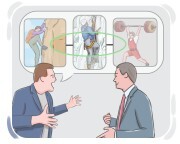
to express thoughts freely and confidently
wypowiadać się, mówić otwarcie
Profesor zachęcał uczniów, aby wypowiadali się na zajęciach.
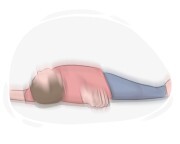
to lose consciousness
zemdleć, stracić przytomność
Bez wystarczającej wentylacji w pomieszczeniu kilka osób zaczęło czuć, że mogą stracić przytomność.

to distribute something among a group of individuals
rozdawać, rozprowadzać
Wolontariusze rozdają koce bezdomnym w mroźne zimowe noce.
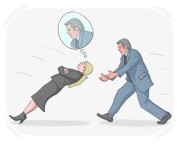
to put trust in something or someone
liczyć na, polegać na
Klienci muszą polegać na jakości naszych usług, aby osiągnąć długotrwałe zadowolenie.
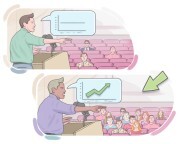
to be the reason for a specific incident or result
spowodować, doprowadzić do
Ciężka praca i poświęcenie przyniosły im sukces.
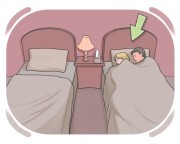
to have a brief sexual relationship with a person
przespać się, mieć przelotny związek
Zwykle nie sypia z facetami, których właśnie poznała, ale tej nocy zrobiła wyjątek.
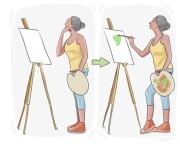
to cause something to begin, particularly initiating an event or process
rozpocząć, zainicjować
Aby rozpocząć projekt, zorganizowali sesję burzy mózgów z całym zespołem.
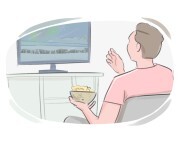
to spend time doing nothing or nothing productive
obijać się, nic nie robić
W weekendy po prostu lubię siedzieć i oglądać telewizję.
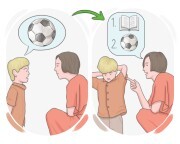
to have a higher priority or importance compared to someone or something else
mieć pierwszeństwo przed, być ważniejszym niż
Zdrowie pacjentów musi mieć pierwszeństwo przed wygodą administracyjną w warunkach szpitalnych.
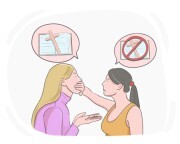
to oppose or resist someone or something
sprzeciwiać się, opierać się
Niektórzy ludzie sprzeciwiają się postaciom autorytetów, gdy wierzą, że jest to konieczne dla sprawiedliwości.
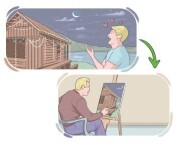
to be originated from something
pochodzić z, wywodzić się z
Jej radość wydawała się wynikać z sukcesu jej dzieci.
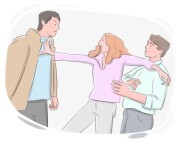
to defend or support someone or something
bronić, wspierać
Organizacja opowiedziała się za ochroną zabytków historycznych w mieście.

to put things into containers or bags in order to transport or store them
pakować, zbierać rzeczy
Przed opuszczeniem pikniku spakowali resztki.
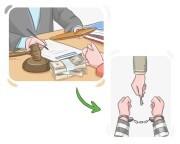
to pay money to the court to release someone from custody until their trial
wpłacić kaucję, wypuścić za kaucją
Stojąc przed nietypowym zarzutem, zadzwonił do kuzyna, aby wyciągnąć go za kaucją z dziwnej sytuacji prawnej.
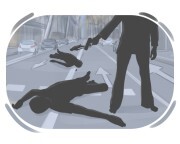
to kill or cause harm to a large number of people, often through violent means
kosić, masakrować
Terroryści zamierzali zmasakrować przechodniów na zatłoczonym targu.
| 250 najczęstszych angielskich czasowników frazowych | |||
|---|---|---|---|
| Top 1 - 25 Czasowniki Frazowe | Top 26 - 50 Czasowniki Frazowe | Top 51 - 75 Czasowniki Frazowe | Top 76 - 100 Czasowniki Frazowe |
| Top 101 - 125 Czasowniki Frazowe | Top 126 - 150 Czasowniki Frazowe | Top 151 - 175 Czasowniki Frazowe | Top 176 - 200 Czasowniki Frazowe |
| Top 201 - 225 Czasowniki Frazowe | Top 226 - 250 Czasowniki Frazowe | ||
