
250 فعل عبارتی رایج انگلیسی - برترین ۲۲۶ - ۲۵۰ افعال عبارتی
در اینجا بخش 10 از لیست رایج ترین افعال عبارتی در انگلیسی مانند "لباس رسمی پوشیدن"، "ارائه دادن به" و "اعتماد کردن به" ارائه شده است.
مرور
فلشکارتها
صورتها
املای کلمه
آزمون
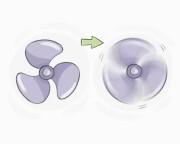
to make something operate, especially by accident

به کار انداختن, بهویژه ناخواسته فعال کردن
او با وارد کردن کد دسترسی اشتباه، سیستم امنیتی را فعال کرد.
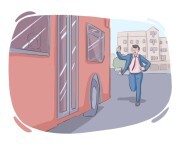
to go faster and reach someone or something that is ahead
رسیدن
حتی با شروع کند، دونده ماراتن سرعت خود را افزایش داد تا با رهبران همگام شود.

to wear formal clothes for a special occasion or event
لباس رسمی پوشیدن, برای مراسم شیک لباس پوشیدن
بچهها برای لباس پوشیدن به عنوان لباسهای هالووین برای مهمانی هیجانزده بودند.
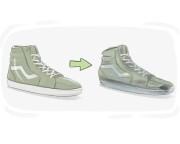
to cause something to lose its functionality or good condition over time or through extensive use
فرسوده کردن, بر اثر استفاده زیاد خراب کردن
شستشو و خشک کردن مکرر پارچه ظریف لباس را فرسوده کرد.

(of a concept, trend, or idea) to become popular
محبوب شدن, مد شدن
روند زندگی پایدار در حال گسترش است، با افراد بیشتری که در زندگی روزمره خود انتخابهای دوستدار محیط زیست میکنند.
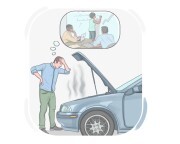
to happen, often unexpectedly
به وقوع پیوستن, اتفاق افتادن
تأخیر غیرمنتظره به دلیل شرایط آبوهوایی شدید رخ داد.

to intentionally exclude someone or something
عمداً کنار گذاشتن, کسی یا چیزی را شامل نکردن
والدین تصمیم گرفتند پسر نوجوان خود را از فرآیند تصمیمگیری حذف کنند، که باعث شد او احساس ناامیدی و ناشنیده شدن کند.

to expel the contents of the stomach through the mouth
استفراغ کردن, بالا آوردن
رولر کوستر آنقدر شدید بود که بسیاری از افراد حاضر در آن استفراغ کردند.
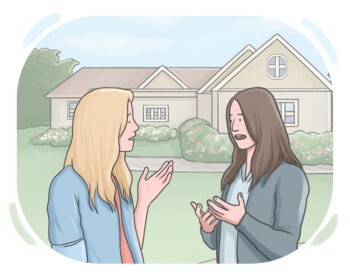
to tell someone about an idea, especially to know their opinion about it
نظر کسی را (درباره چیزی) پرسیدن
قبل از اجرای پروژه، او پیشنهاد را به تیمش ارائه داد تا نظراتشان را بداند.

to go past someone or something
از کنار چیزی یا کسی رد شدن
هر صبح، من تماشا میکنم که اتوبوس مدرسه از کنار پنجرهام میگذرد.
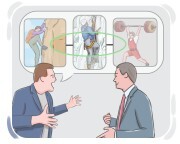
to express thoughts freely and confidently
آزادانه نظر خود را بیان کردن, حرف خود را زدن
دانشآموزان باید احساس توانمند شدن برای صحبت کردن در برابر زورگویی را داشته باشند.
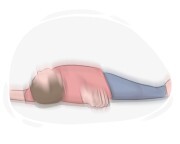
to lose consciousness
غش کردن, از هوش رفتن
بدون تهویه کافی در اتاق، چند نفر شروع به احساس کردند که ممکن است هوش خود را از دست بدهند.

to distribute something among a group of individuals
میان افراد پخش کردن, بین یک گروه توزیع کردن
معلم کتابهای درسی را در ابتدای سال تحصیلی به دانشآموزان توزیع خواهد کرد.
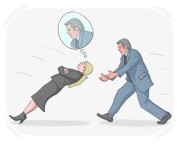
to put trust in something or someone
به کسی یا چیزی اعتماد کردن, مطمئن بودن که کسی یا چیزی قابل اتکاست
در زمانهای مشکل، میتوانید روی دوستانتان حساب کنید تا دست کمک به سوی شما دراز کنند.
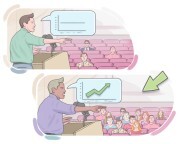
to be the reason for a specific incident or result
باعث چیزی شدن
رهبری مثبت موجب تغییر فرهنگی در شرکت شد.
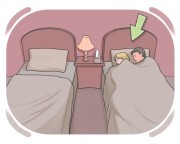
to have a brief sexual relationship with a person
با کسی رابطهٔ جنسی کوتاه و بیتعهد داشتن, با کسی همبستر شدن
آنها تصمیم گرفتند بعد از مدتها دوستی، رابطه جنسی داشته باشند.
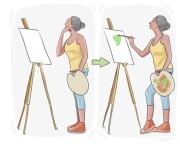
to cause something to begin, particularly initiating an event or process
آغاز کردن, رویداد یا فرایندی را به راه انداختن
شرکت آغاز کرد عرضه محصول جدید را با یک کمپین تبلیغاتی بزرگ.
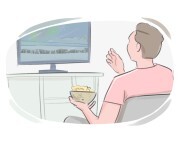
to spend time doing nothing or nothing productive
بیکار نشستن و کار مفیدی انجام ندادن, وقت را به بیکاری گذراندن
در یکشنبههای تنبل، آنها دوست دارند بدون انجام کاری بنشینند و تلویزیون تماشا کنند.
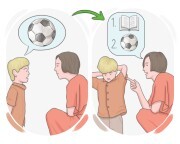
to have a higher priority or importance compared to someone or something else
در اولویت قرار داشتن
در این دادگاه، عدالت و انصاف بر منافع شخصی مقدم هستند.
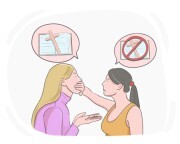
to oppose or resist someone or something
مخالفت کردن
در یک جامعه دموکراتیک، مردم حق دارند به هنجارهای تثبیتشده مقابله کنند و به دنبال تغییر باشند.
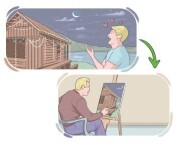
to be originated from something
نشأت گرفتن
الهام برای آثار هنری او اغلب ناشی از تجربیات شخصی و احساسات است.

to defend or support someone or something
از کسی یا چیزی دفاع کردن, پشتیبانی کردن
اعضای جامعه از برابری اجتماعی دفاع کردند و علیه تبعیض جنگیدند.
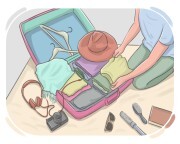
to put things into containers or bags in order to transport or store them
وسایل را جمع و بستهبندی کردن, وسایل را برای حمل جمع کردن
من همیشه شب قبل ناهارم را آماده میکنم تا صبح وقت کمتری بگیرد.
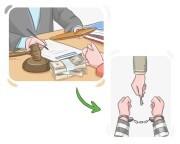
to pay money to the court to release someone from custody until their trial
با وثیقه آزاد کردن, با پرداخت پول موقت آزاد کردن
مدیر سلبریتی برای پرداخت وثیقه او پس از دستگیری در نیمه شب عجله کرد.
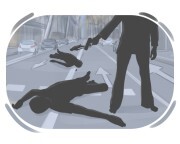
to kill or cause harm to a large number of people, often through violent means
شمار زیادی از افراد را با خشونت کشتن یا زخمی کردن, گروهی از مردم را بهطور گسترده از پا درآوردن
تیراندازان ماهر تلاش کردند تا با شلیکهای هدفمند تفنگهای دوربرد، غیرنظامیان را در میدان شهر از پای درآورند.
