
Książka English File - Zaawansowany - Lekcja 3B
Tutaj znajdziesz słownictwo z Lekcji 3B w podręczniku English File Advanced, takie jak "obalić", "ocalały", "ogłosić" itp.
Przegląd
Fiszki
formy
Pisownia
Test
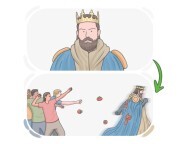
to forcefully remove a person of authority or power from their position

obalić, zdetronizować
Obywatele obalają opresyjny reżim poprzez pokojowe protesty.

an unexpected, illegal, and often violent attempt to change a government
zamach stanu
Puczyści zostali aresztowani i oskarżeni o zdradę za próbę obalenia porządku konstytucyjnego.
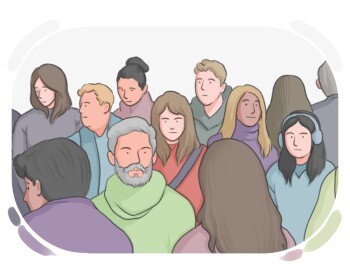
a group of humans
ludzie, naród
Ważne jest, aby słuchać głosów ludzi i odpowiadać na ich obawy.
anything that takes place, particularly something important
wydarzenie, impreza
Ślub był radosnym wydarzeniem, które zgromadziło rodzinę i przyjaciół.

a country that aids another country, particularly if a war breaks out
sojusznik, partner
Traktat został podpisany w celu sformalizowania ich statusu jako sojuszników i określenia wzajemnych zobowiązań obronnych.
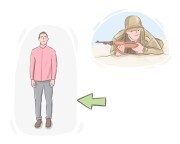
relating to a person who is not a member of the military or police force and does not hold an official position in the government
cywilny, cywilna
Świadek cywilny dostarczył kluczowego zeznania podczas procesu.
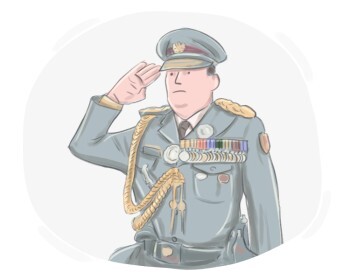
an officer in charge of a military operation or a group of soldiers
dowódca, komandor
Każdy żołnierz w jednostce szanował dowódcę za jego doświadczenie i niezachwianą oddanie swoim żołnierzom.
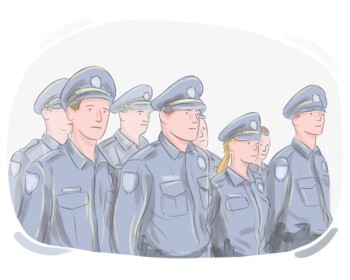
a group of trained and organized people such as the police, soldiers, etc.
siła
Policja siły pracowała niestrudzenie, aby utrzymać prawo i porządek podczas protestów w całym mieście.
a person who is forced to leave their own country because of war, natural disaster, etc.
uchodźca, wysiedlony
Uchodźcy często napotykają wyzwania w adaptacji do nowej kultury i języka.
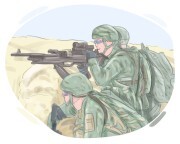
an individual who shoots at their targets from a concealed and, usually, far place
snajper, strzelec wyborowy
Szkoliła się rygorystycznie, aby zostać snajperem, opanowując sztukę precyzyjnego strzelania i kamuflażu.
someone or something that stays alive or continues to exist, particularly after nearly dying or an unpleasant event
ocalały, osoba
Pomimo straszliwej próby, ocalali z katastrofy lotniczej pozostali pełni nadziei i współpracowali, aby przeżyć.
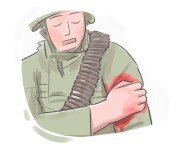
someone who has been hurt or injured, either physically or emotionally
ranny, ofiara
Społeczność zebrała się, aby zebrać fundusze na rzecz rannych weteranów i ich rehabilitacji.
a temporary peace during a battle or war when discussions regarding permanent peace is taking place
zawieszenie broni, rozejm
Zawieszenie broni było oznaką postępu w negocjacjach pokojowych.
an organized action, usually violent, against an authority, attempting to bring about a change
bunt, powstanie
Po wprowadzeniu nowych przepisów podatkowych wybuchł bunt.
the act of surrounding the enemy, a town, etc. and cutting off their supplies so that they would surrender
oblężenie, blokada
Strateg wojskowy opracował plan przełamania oblężenia i zniesienia blokady oblężonego miasta.
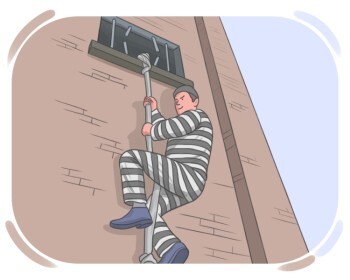
to free oneself from a place that one is being held against their will, such as a prison
uciec, wykonać ucieczkę
Zbieg udało się uciec, korzystając z ukrytego tunelu.
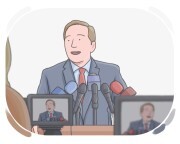
to officially tell people something
ogłaszać, deklarować
Po przeliczeniu głosów komisja wyborcza ogłosiła ostateczne wyniki wyborów.
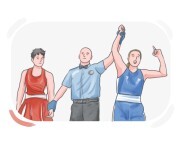
to win against someone in a war, game, contest, etc.
pokonać, zwyciężyć
W debacie elokwentnie pokonała swojego przeciwnika dobrze uzasadnionymi argumentami.
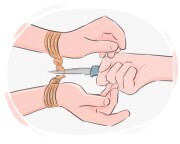
to let someone leave a place in which they have been confined or stuck
uwolnić, wypuścić
Zoo postanowiło wypuścić zrehabilitowane zwierzęta z powrotem na wolność.
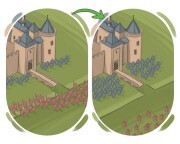
(of military) to move away in order to escape the danger because one has been defeated or is weak
wycofać się, odstąpić
Armia nie miała innego wyboru, jak tylko wycofać się, gdy natarcie wroga stało się zbyt groźne.
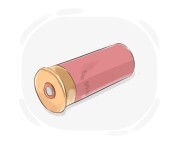
a component of ammunition that is loaded into a firearm, including a casing or a hull, gunpowder, a primer, and a projectile
pocisk, łuska
Dokładnie zbadał łuskę, sprawdzając, czy nie ma wad, zanim włożył ją do karabinu.
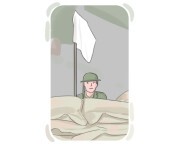
to give up resistance or stop fighting against an enemy or opponent
poddawać się, kapitulować
Armia skapitulowała, gdy zdała sobie sprawę, że zwycięstwo jest niemożliwe.

using a word, phrase, etc. not for its ordinary meaning, but for the idea or symbol that it represents or suggests
metaforyczny, przenośny
Tytuł powieści był metaforyczny, symbolizujący poszukiwanie samoświadomości przez protagonistę.
a disagreement or argument over something important
konflikt, nieporozumienie
Powstał konflikt dotyczący budżetu projektu.
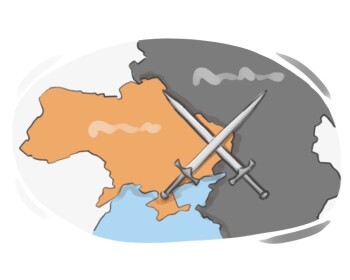
involvement in war, particularly using certain methods or weapons
wojna, konflikt zbrojny
Wprowadzenie wojny chemicznej na początku XX wieku przyniosło nowy poziom horroru na pole bitwy.
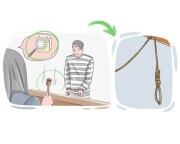
to kill someone, especially as a legal penalty
stracić, wykonać wyrok śmierci
Mimo międzynarodowych protestów, rząd przystąpił do egzekucji dysydenta politycznego, wywołując powszechne protesty.
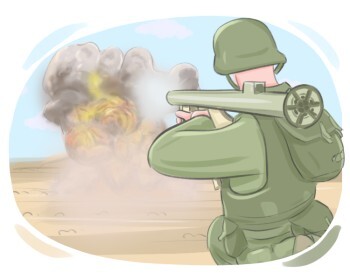
to cause something to explode
wysadzić, detonować
Terrorysta próbował wysadzić most, ale interweniowała ochrona.
a war that is between people who are in the same country
wojna domowa, konflikt wewnętrzny
Syryjska wojna domowa spowodowała kryzys humanitarny, w wyniku którego miliony osób zostały przesiedlone i szukają schronienia w sąsiednich krajach.
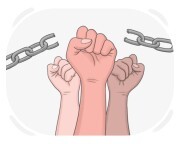
the fundamental change of power, government, etc. in a country by people, particularly involving violence
rewolucja
Kluczowe postacie rewolucji są pamiętane jako bohaterowie narodowi za swoje role w powstaniu.
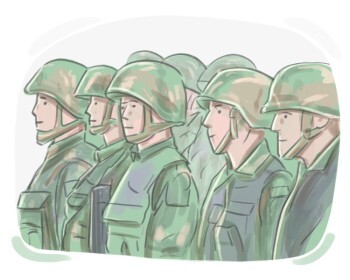
armed forces or soldiers, especially by large numbers
oddział, korpus
Po miesiącach intensywnych walk oddział wrócił do domu na bohatera, witany przez wiwatujące tłumy.
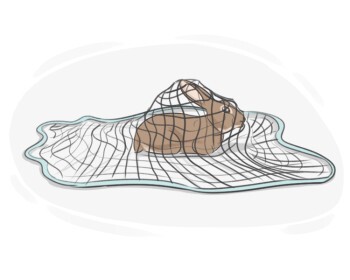
to catch an animal or a person and keep them as a prisoner
schwytać, złapać
Złapała rzadkie owady do swoich badań nad bioróżnorodnością.
money, goods, or valuables that have been taken by force or through illegal means
łup, zdobycz
Skradziona łup była ukryta w tajnej skrytce pod podłogą starego dworu.
an official agreement between two or more governments or states
traktat
Traktat o rozbrojeniu nuklearnym wymagał od obu stron zmniejszenia swoich arsenałów broni jądrowej.
someone who is killed or wounded during a war or an accident
ofiara, ranny
Po wykolejeniu się pociągu służby ratunkowe niestrudzenie pracowały nad oceną sytuacji, ostatecznie zgłaszając liczbę ofiar śmiertelnych na 30 osób.
