
Zachowanie i Podejście - Reakcja i Odpowiedź
Odkryj, jak angielskie idiomy, takie jak "z otwartymi ramionami" i "schodzić na manowce", odnoszą się do reakcji i odpowiedzi w języku angielskim.
Przegląd
Fiszki
Test
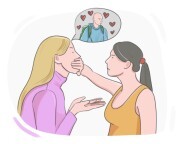
used to tell someone to stop annoying one with their action or behavior

przestań, daj spokój
Jeśli wy dwoje nie przestaniecie, wychodzę.
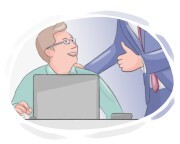
used to express support, encouragement, or admiration for someone's efforts
pełne poparcie dla niego, szacunek za jego wysiłek
Uczysz się co wieczór po pracy? Szacunek za taki wysiłek.
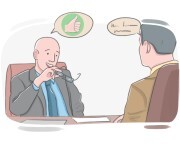
used to say that there is no need for one to say more or offer more details
więcej nie trzeba dodawać, to mówi samo za siebie
Widziałeś jego minę, kiedy weszła. To mówi samo za siebie.
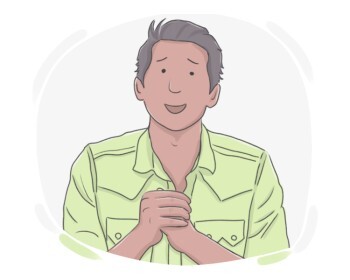
used when one is angry, frustrated, or surprised by something
na litość boską, błagam cię
Na litość boską, nie dotykaj tego kabla.
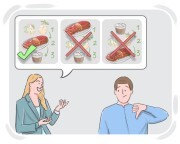
used to show strong disagreement
ani mi się śni, nawet o tym nie myśl
Zasugerował, że może się boję. Ani mi się śni.
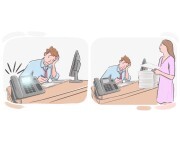
slow to start or react to a situation, often leading to a disadvantage or delay in progress
wolno reagować, ruszyć z opóźnieniem
Gdy pojawiła się oferta pracy, zareagował za późno, więc ktoś inny zgłosił się pierwszy.
![to {not} [turn] a hair](https://cdn.langeek.co/photo/45880/thumb/350?type=jpeg "to {not} [turn] a hair")
to stay calm regardless of the situation one is in or things that happened
nawet nie drgnąć, zachować pełen spokój
Klient zagroził anulowaniem, ale on nawet nie drgnął.
![to {not} [bat] an eye](https://cdn.langeek.co/photo/43180/thumb/350?type=jpeg "to {not} [bat] an eye")
to show no sign of worry or surprise when something unexpected occurs
nawet okiem nie mrugnąć, zachować pełen spokój
Większość ludzi by spanikowała, ale Omar nawet okiem nie mrugnął.
![to [turn] the other cheek](https://cdn.langeek.co/photo/46374/thumb/350?type=jpeg "to [turn] the other cheek")
to respond to an offense with patience, forgiveness, and a peaceful attitude instead of retaliating or seeking revenge
nadstawić drugi policzek, nie brać odwetu
Babcia zawsze mówiła nam, żeby nadstawić drugi policzek zamiast się odgryzać.
![to [take] {sth} in good part](https://cdn.langeek.co/photo/46368/thumb/350?type=jpeg "to [take] {sth} in good part")
to refrain from becoming upset about or offended by something
nie brać czegoś do siebie, przyjąć coś spokojnie
Uwaga brzmiała dosadnie, ale Sara nie wzięła jej do siebie.
![to [give] {sb} the runaround](https://cdn.langeek.co/photo/42298/thumb/350?type=jpeg "to [give] {sb} the runaround")
to deny someone a definite answer to something or refuse to offer them help
zwodzić kogoś, odsyłać kogoś od Annasza do Kajfasza
Wnioskodawcy skarżyli się, że urząd tygodniami ich zwodził.
![to [shoot] {sb} a look](/assets/img/no-pic-700w.png "to [shoot] {sb} a look")
to give someone a quick, meaningful look, often as a warning
prepared to attack, criticize, or act quickly
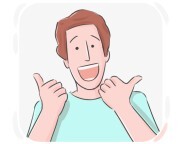
in a way that shows willingness to accept new ideas or welcome people
z otwartymi ramionami, chętnie
Na początku nie wszyscy przyjęli tę zmianę z otwartymi ramionami.
![to [go] off on a tangent](https://cdn.langeek.co/photo/46081/thumb/350?type=jpeg "to [go] off on a tangent")
to begin talking about a subject that is not in any way related to the original topic that is being discussed
zejść z tematu, odpłynąć od tematu
Spotkanie zeszło z tematu i w ogóle nie omówiliśmy budżetu.
