pattern

Podstawowe Słownictwo do TOEFL - Rolnictwo i Rośliny

Tutaj nauczysz się niektórych angielskich słów dotyczących rolnictwa i roślin, takich jak "plon", "siano", "żąć" itp., które są potrzebne do egzaminu TOEFL.

Przegląd

Fiszki

formy

Pisownia

Test

Zacznij naukę
Essential Words Needed for TOEFL
agricultural
agricultural
[przymiotnik]

related to the practice or science of farming

rolniczy, agrarny

rolniczy, agrarny

Ex: Sustainable agricultural methods aim to minimize environmental impact while maximizing productivity .

Zrównoważone metody rolnicze mają na celu zminimalizowanie wpływu na środowisko przy jednoczesnym maksymalizacji produktywności.

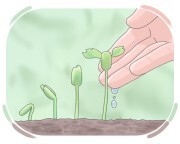
peasant
peasant
[Rzeczownik]

a farmer who owns or rents a small piece of land, particularly in the past or in poorer countries

chłop, rolnik
chłop, rolnik

Ex: In many poorer countries , peasants continue to use traditional farming methods handed down from their ancestors .

W wielu biedniejszych krajach chłopi nadal stosują tradycyjne metody uprawy przekazywane przez swoich przodków.

to cultivate
to cultivate
[Czasownik]

to grow plants or crops, especially for farming or commercial purposes

uprawiać, hodować

uprawiać, hodować

Ex: Farmers cultivate crops like corn and soybeans in the Midwest .

Rolnicy uprawiają takie rośliny jak kukurydza i soja na Środkowym Zachodzie.

to yield
to yield
[Czasownik]

(of a farm or an industry) to grow or produce a crop or product

produkować, dawać
produkować, dawać

Ex: This vineyard yields high-quality grapes that are used to produce exceptional wines .

Ta winnica daje wysokiej jakości winogrona, które są wykorzystywane do produkcji wyjątkowych win.

harvest
harvest
[Rzeczownik]

the amount of produce gathered from crops during one growing season

żniwa, plon

żniwa, plon

Ex: The corn harvest was affected by unseasonal rains .

Zbiór kukurydzy został dotknięty przez nietypowe deszcze.

growing season
growing season
[Rzeczownik]

a time of the year during which the plants have good condition to grow

sezon wegetacyjny, okres wzrostu
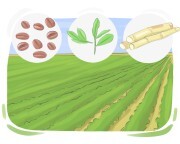
sezon wegetacyjny, okres wzrostu

plantation
plantation
[Rzeczownik]

a large piece of land used for growing sugar cane, coffee, tea, etc., particularly in a hot country

plantacja, folwark

plantacja, folwark

Ex: A variety of crops can be cultivated on a single plantation.

Różne uprawy można uprawiać na jednej plantacji.

to raise
to raise
[Czasownik]

to grow or reproduce animals or plants

hodować, uprawiać
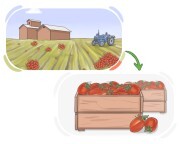
hodować, uprawiać

Ex: They raised pigs and kept a pony .

Oni hodowali świnie i trzymali kucyka.

to produce
to produce
[Czasownik]

to raise or grow something naturally, in large numbers

produkować, uprawiać
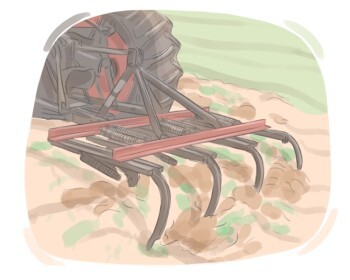
produkować, uprawiać

Ex: Under stress , the body produces adrenalin .

Pod wpływem stresu organizm wytwarza adrenalinę.

to plow
to plow
[Czasownik]

to use a large farming equipment to dig the ground and make it ready for farming

orać, uprawiać ziemię

orać, uprawiać ziemię

Ex: The farmers plow the field in straight rows to optimize planting efficiency .

Rolnicy orzą pole w prostych rzędach, aby zoptymalizować efektywność sadzenia.

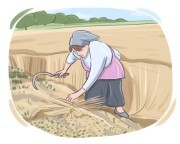
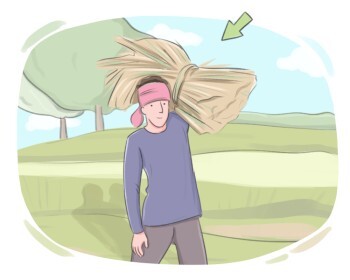
to reap
to reap
[Czasownik]

to cut or gather a crop

zbierać, żąć

zbierać, żąć

Ex: He reaps hay from the meadow to feed the livestock during the winter .

On zbiera siano z łąki, aby nakarmić bydło podczas zimy.

cereal
cereal
[Rzeczownik]

any food product made from the starchy grains of cereal grasses

zboże, zboża

zboże, zboża

Ex: Breakfast cereals are a convenient form of cereal.

Płatki śniadaniowe są wygodną formą zbóż.

crop
crop
[Rzeczownik]

all the fruit, wheat, etc. harvested during a season

plon, żniwo
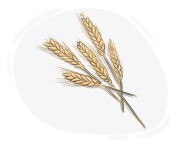
plon, żniwo

Ex: The rice crop is usually ready for harvest in late autumn .

Plon ryżu jest zwykle gotowy do zbioru późną jesienią.

wheat
wheat
[Rzeczownik]

the common grain that is used in making flour, taken from a cereal grass which is green and tall

pszenica, ziarno pszenicy

pszenica, ziarno pszenicy

Ex: He avoided products containing wheat due to his gluten sensitivity .

Unikał produktów zawierających pszenicę ze względu na swoją wrażliwość na gluten.

soy
soy
[Rzeczownik]

a leguminous plant rich in protein, used for food, fodder, and protein replacement

soja, sojowiec

soja, sojowiec

Ex: Soy can replace animal protein in many recipes.

Soja może zastąpić białko zwierzęce w wielu przepisach.

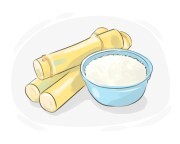
sugar cane
sugar cane
[Rzeczownik]

a type of tall tropical plant that sugar can be extracted from its stems

trzcina cukrowa, roślina cukrowa

trzcina cukrowa, roślina cukrowa

Ex: Many products , such as molasses and ethanol , can be made from sugar cane.

Wiele produktów, takich jak melasa i etanol, można wytwarzać z trzciny cukrowej.

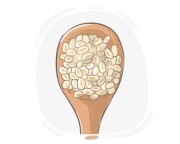
barley
barley
[Rzeczownik]

a single seed or grain of the cereal plant barley

ziarno jęczmienia, jęczmień

ziarno jęczmienia, jęczmień

Ex: The soup included a handful of barley for texture .

Zupa zawierała garść jęczmienia dla tekstury.

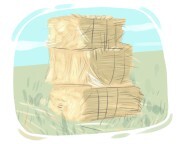
hay
hay
[Rzeczownik]

cut and dried grass, for animals to feed on

siano, suszone trawy
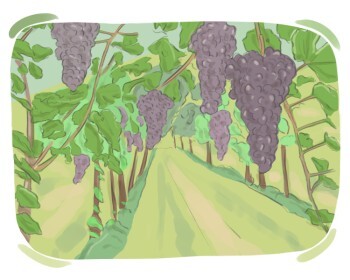
siano, suszone trawy

Ex: The farmer sold bundles of hay at the local market to other livestock owners .

Rolnik sprzedawał bele siana na lokalnym rynku innym właścicielom zwierząt gospodarskich.

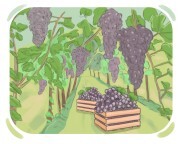
vineyard
vineyard
[Rzeczownik]

a piece of land on which grapes are grown to make wine

winnica

winnica

Ex: They planted a small vineyard on their property as a hobby .

Zasadzili mały winnicę na swojej posesji jako hobby.

mill
mill
[Rzeczownik]

a building in which flour is made out of grain

młyn, fabryka mąki
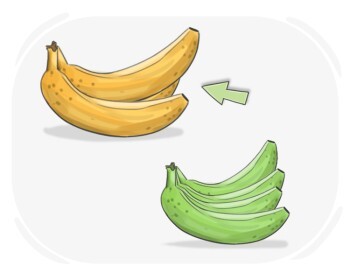
młyn, fabryka mąki

ripe
ripe
[przymiotnik]

(of fruit or crop) fully developed and ready for consumption

dojrzały, gotowy do spożycia

dojrzały, gotowy do spożycia

Ex: The tomatoes were perfectly ripe, with a vibrant red color and firm texture .

Pomidory były idealnie dojrzałe, o żywym czerwonym kolorze i twardej teksturze.

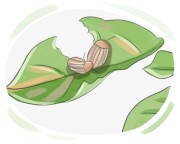
pest
pest
[Rzeczownik]

an insect or small animal that destroys or damages crops, food, etc.

szkodnik, pasożyt

szkodnik, pasożyt

Ex: Farmers use natural predators to reduce the number of pests.

Rolnicy wykorzystują naturalne drapieżniki, aby zmniejszyć liczbę szkodników.

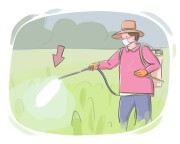
pesticide
pesticide
[Rzeczownik]

a type of chemical substance that is used for killing insects or small animals that damage food or crops

pestycyd, środek owadobójczy

pestycyd, środek owadobójczy

Ex: Excessive use of pesticides can harm beneficial insects and the environment .

Nadmierne stosowanie pestycydów może zaszkodzić pożytecznym owadom i środowisku.

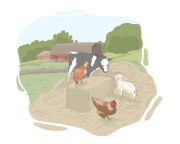
livestock
livestock
[Rzeczownik]

animals that are kept on a farm, such as cows, pigs, or sheep

inwentarz żywy, zwierzęta hodowlane

inwentarz żywy, zwierzęta hodowlane

Ex: The livestock provided the family with food and income for many years .

Inwentarz zapewniał rodzinie pożywienie i dochód przez wiele lat.

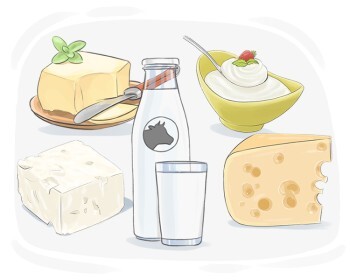
dairy
dairy
[Rzeczownik]

milk and milk products that are produced by mammals such as cows, goats, and sheep collectively

produkty mleczne, nabiał
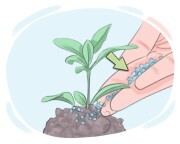
produkty mleczne, nabiał

Ex: Calcium from dairy helps keep bones strong .

Wapń z produktów mlecznych pomaga utrzymać kości w dobrej kondycji.

to fertilize
to fertilize
[Czasownik]

to increase productivity of the soil by spreading suitable substances on it

nawozić, wzbogacać

nawozić, wzbogacać

Ex: Do n't forget to fertilize potted plants regularly to support their growth and vitality .

Nie zapomnij regularnie nawozić roślin doniczkowych, aby wspierać ich wzrost i witalność.

fertilizer
fertilizer
[Rzeczownik]

a chemical or natural material that is added to the soil to improve its productivity and help plants grow

nawóz, środek wspomagający wzrost roślin

nawóz, środek wspomagający wzrost roślin

Ex: Too much fertilizer can harm plants , so it is important to follow the instructions .

Zbyt dużo nawozu może zaszkodzić roślinom, więc ważne jest, aby postępować zgodnie z instrukcjami.

barn
barn
[Rzeczownik]

a large farm building used to keep animals and store crops or feed

stodoła, obora

stodoła, obora

Ex: The old barn was renovated to protect the harvest and equipment .

Stara stodoła została wyremontowana, aby chronić plony i sprzęt.

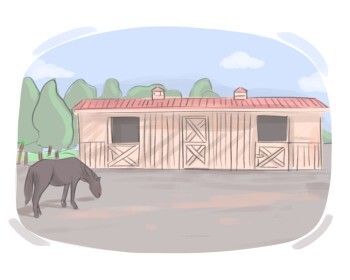
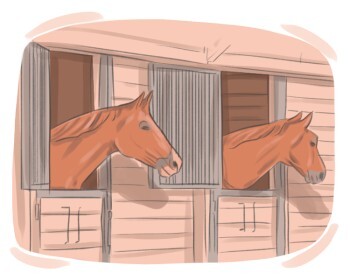
stable
stable
[Rzeczownik]

a building, typically found on a farm, designed to house horses

stajnia, obora
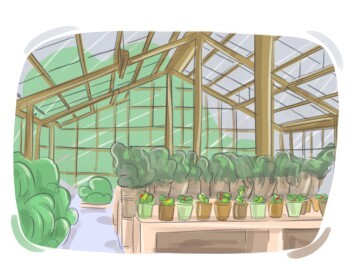
stajnia, obora

Ex: During the storm, the horses sought refuge in the stable, finding comfort and safety in their familiar surroundings.

Podczas burzy konie szukały schronienia w stajni, znajdując komfort i bezpieczeństwo w znanym otoczeniu.

greenhouse
greenhouse
[Rzeczownik]

a glass structure used for growing plants in and protecting them from cold weather

szklarnia, cieplarnia

szklarnia, cieplarnia

Ex: The school ’s greenhouse is used to teach students about botany .

Szklarnia w szkole służy do nauczania uczniów o botanice.

to bloom
to bloom
[Czasownik]

(of a plant) to produce flowers and display them in full color

kwitnąć, rozkwitać

kwitnąć, rozkwitać

Ex: With the right conditions , the hibiscus plant will bloom year-round .

W odpowiednich warunkach roślina hibiskusa będzie kwitnąć przez cały rok.

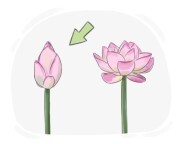
bud
bud
[Rzeczownik]

a part of a plant from which new flowers, leaves, or stems develop

pąk, kiełek

pąk, kiełek

Ex: The plant ’s new buds emerged quickly after being transplanted into a larger pot with fresh soil .

Nowe pąki rośliny szybko pojawiły się po przesadzeniu do większej doniczki ze świeżą ziemią.

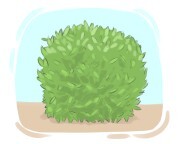
bush
bush
[Rzeczownik]

a type of plant small in size with several stems in the ground

krzak, krzew
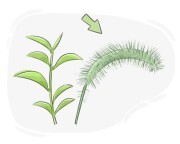
krzak, krzew

Ex: The children hid behind the bush during their game of hide and seek , enjoying the game ’s excitement .

Dzieci schowały się za krzakiem podczas gry w chowanego, ciesząc się ekscytacją gry.

weed
weed
[Rzeczownik]

any wild and unwanted plant that may harm the process of growth in a farm or garden

chwast, zielsko
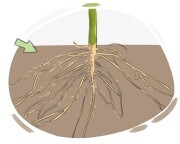
chwast, zielsko

Ex: Weeds had started to grow in the cracks of the driveway, giving the area an unkempt appearance.

Chwasty zaczęły rosnąć w pęknięciach podjazdu, nadając obszarowi zaniedbany wygląd.

root
root
[Rzeczownik]

the underground part of a plant that absorbs water and minerals, sending it to other parts

korzeń, korzonek

korzeń, korzonek

Ex: The herbalist used the root of the herb in the remedy , valuing its medicinal properties .

Zielarz użył korzenia zioła w leku, doceniając jego właściwości lecznicze.

palm
palm
[Rzeczownik]

a tropical tree with a big trunk and feather-like or fan-shaped leaves

palma, drzewo palmowe
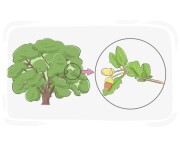
palma, drzewo palmowe

Ex: The resort was dotted with towering palms, creating a serene and picturesque environment .

Kur był usiany wysokimi palmami, tworząc spokojne i malownicze otoczenie.

oak
oak
[Rzeczownik]

a large tree, known for its strong wood and popular fruit

dąb, dąb szypułkowy

dąb, dąb szypułkowy

Ex: The oak tree provided shade and shelter for the animals in the woodland ecosystem.

Dąb (oak) zapewniał cień i schronienie zwierzętom w leśnym ekosystemie.

LanGeek
Pobierz aplikację LanGeek