
Lista de Palavras Nível B2 - Gramática
Aqui você aprenderá algumas palavras em inglês sobre gramática, como "plural", "preposição", "prefixo", etc., preparadas para alunos de nível B2.
Revisar
Flashcards
Ortografia
Quiz

the shortened form of a word, etc.
abreviação, sigla
O livro didático forneceu uma chave para todas as abreviações usadas ao longo dos capítulos.
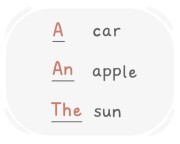
(grammar) any type of determiner that shows whether we are referring to a particular thing or a general example of something
artigo

a verb that is used with other verbs to indicate tense, voice, etc., such as do, have, and be
verbo auxiliar
Na pergunta "Do you understand?", a palavra "do" é um verbo auxiliar.

a word or expression that connects words, phrases, or clauses
conjunção

(grammar) a word that comes before a noun or pronoun to indicate location, direction, time, manner, or the relationship between two objects
preposição, palavra de relação
« Nós nos encontraremos às 17h. » « Às » é uma preposição que indica tempo.
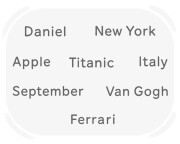
(grammar) the name of a place, person, country, etc. with its first letter capitalized
nome próprio, substantivo próprio
Ao escrever um e-mail, é importante usar corretamente os nomes próprios para se referir a pessoas ou empresas específicas.

(grammar) a word that can replace a noun or noun phrase, such as she, it, they, etc.
pronome, palavra que pode substituir um substantivo ou frase nominal
O exercício de gramática focou na identificação e no uso correto dos pronomes em vários contextos.

(grammar) a letter or a set of letters that are added to the beginning of a word to alter its meaning and make a new word
prefixo
O dicionário forneceu uma lista de prefixos e seus significados para ajudar na formação e compreensão de palavras.

(grammar) a letter or a set of letters that are added to the end of a word to alter its meaning and make a new word
sufixo, terminação
Os alunos praticaram a adição de diferentes sufixos às palavras raiz para ver como seus significados mudaram.

(grammar) describing a verb whose subject is the one that does the action
ativo, ativa
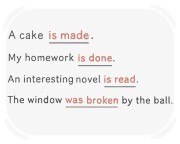
describing a grammatical form in which the subject receives or is affected by the action
passivo, passiva

relating to the form of an adjective or adverb that expresses a greater or lesser degree of a quality
comparativo, comparativa

(grammar) describing the highest amount or degree of an adjective or adverb
superlativo, superlativa
Os advérbios superlativos, como 'mais rapidamente', ajudam a destacar o maior grau de uma ação.

(grammar) describing words that are indicating the presence of more than one person or thing
plural, plurais
Ela aprendeu as formas plurais dos substantivos irregulares em sua aula de língua.
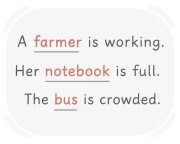
(grammar) describing words that are indicating the presence of only one person or thing
singular
Ao escrever, é importante combinar o sujeito singular com um verbo singular.

following the standard rules of the grammar properly
gramatical, conforme às regras padrão da gramática
O professor enfatizou a importância de uma estrutura gramatical adequada para escrever frases claras e eficazes.

(of verbs, nouns, or adjectives) not following standard patterns or rules
irregular
Em inglês, "be" tem uma conjugação irregular com formas como "am", "is", "are" e "was".

(grammar) a verb that is used with the main verb of a sentence to indicate possibility, intention, etc., such as can, might, should, etc.
modal, verbo modal
O livro fornece exemplos de como os verbos modais funcionam em contextos formais e informais.

(grammar) describing a sentence, clause, etc. that will only be true or happen if something else is true or happens
condicional
O exercício focou-se na formação de frases condicionais corretas tanto em situações reais quanto hipotéticas.

(grammar) indicating a completed action or state
perfeito, acabado

a form of a verb that "ed", etc. is added to the end of it which is used to form passive or present tenses or adjectives
particípio passado, particípio passado do verbo
Ele aprendeu que os verbos irregulares frequentemente têm particípios passados únicos, como 'swim' que se torna 'swum'.

(grammar) describing a verb that indicates an action in progress
contínuo
Em inglês, a forma contínua é feita combinando o verbo "ser" com o particípio presente do verbo principal.

(grammar) describing a verb form or aspect that presents an action or situation as continuing
progressivo, contínuo

a particular combination of words that are used together very often
colocação, combinação de palavras
O professor explicou o significado de cada colocação.
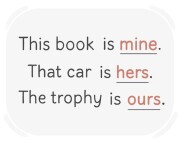
(grammar) describing nouns and pronouns that indicate ownership
possessivo
O caso possessivo em inglês frequentemente envolve adicionar um apóstrofo e um 's' ao substantivo.
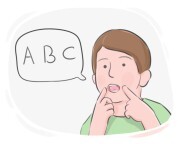
the way a word is pronounced
pronúncia, articulação
Ela trabalhou duro para melhorar sua pronúncia antes do exame.

(phonetics) a speech sound produced by interfering with or stopping the flow of air through the mouth or nose
consoante, som consonantal
Ela teve dificuldade em misturar consoantes no início das palavras durante suas aulas de leitura.

(phonetics) a speech sound produced without interfering with the flow of air coming through the mouth or nose
vogal, som vocálico
A palavra "apple" começa com uma vogal.

(phonetics) an added force when pronouncing a syllable or word
ênfase, acento
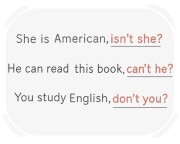
(grammar) a short question added to the end of a statement that is formed form the same statement
pergunta tag, pergunta de confirmação
Ele usou uma pergunta tag para incentivar seu público a participar da discussão.

the use of marks such as a period, comma, etc. in writing to divide sentences and phrases to better convey meaning
pontuação
O editor apontou vários erros de pontuação no rascunho que precisavam ser corrigidos.
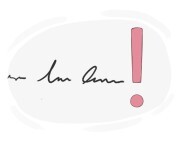
the mark ! used after a sentence to indicate excitement, surprise, etc.
ponto de exclamação, sinal de exclamação
Foi-lhe aconselhado a remover o ponto de exclamação do seu relatório para um tom mais profissional.
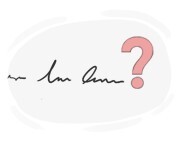
the mark ? used at the end of a sentence to show that it is a question
ponto de interrogação
Em mensagens de texto, as pessoas costumam usar um ponto de interrogação para expressar curiosidade ou incerteza.
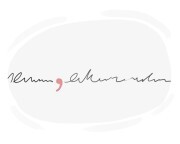
the mark , used to separate items in a list or indicate a pause in a sentence
vírgula, sinal de pontuação
Usar uma vírgula corretamente pode melhorar significativamente o fluxo da sua escrita.

to be the letters being put together in the correct order form a particular word
soletrar, escrever corretamente

a grammatical construction in which two negative elements are used within the same sentence, often resulting in a positive meaning
dupla negativa, negativa dupla
O editor corrigiu a dupla negativa no manuscrito para garantir clareza e precisão.
