
B2 Düzeyi Kelime Listesi - Dil ve Dilbilgisi
Burada, B2 seviyesindeki öğrenciler için hazırlanmış "çoğul", "edat", "ön ek" gibi bazı İngilizce dilbilgisi kelimelerini öğreneceksiniz.
Gözden Geçir
Flash kartlar
Yazım
Quiz

the shortened form of a word, etc.

kısaltma
Bir rapor yazarken, herhangi bir kısaltmayı ilk kullanımınızda tanımladığınızdan emin olun.
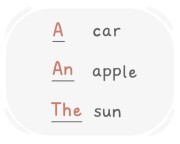
(grammar) any type of determiner that shows whether we are referring to a particular thing or a general example of something
tanımlık

a verb that is used with other verbs to indicate tense, voice, etc., such as do, have, and be
yardımcı fiil
Bir yardımcı fiil, İngilizcede farklı zamanları oluşturmaya yardımcı olur.

a word or expression that connects words, phrases, or clauses
bağlaç

(grammar) a word that comes before a noun or pronoun to indicate location, direction, time, manner, or the relationship between two objects
edat
Yeni bir proje üzerinde çalışıyorlar. "Üzerinde", eylemi nesneye bağlayan edattır.
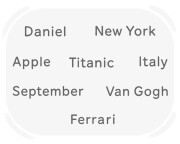
(grammar) the name of a place, person, country, etc. with its first letter capitalized
özel ad
Öğretmen, öğrencilerden dilbilgisi alıştırmaları için paragraftaki özel isimleri belirlemelerini istedi.

(grammar) a word that can replace a noun or noun phrase, such as she, it, they, etc.
zamir
Zamirler, cümleleri daha az tekrarlı ve daha akıcı hale getirmek için gereklidir.

(grammar) a letter or a set of letters that are added to the beginning of a word to alter its meaning and make a new word
önek
'Pre-' ve 'dis-' gibi yaygın önekleri anlamak, öğrencilerin bilinmeyen kelimeleri çözmesine yardımcı olabilir.

(grammar) a letter or a set of letters that are added to the end of a word to alter its meaning and make a new word
sonek
'Quick' kelimesine '-ly' soneki eklemek, kelimeyi 'quickly' olarak değiştirir ve onu bir zarf haline getirir.

(grammar) describing a verb whose subject is the one that does the action
etken
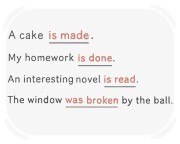
describing a grammatical form in which the subject receives or is affected by the action
edilgen

relating to the form of an adjective or adverb that expresses a greater or lesser degree of a quality
karşılaştırmalı

(grammar) describing the highest amount or degree of an adjective or adverb
üstün
Üstünlük biçimleri, bir niteliğin en yüksek derecesini, örneğin 'en uzun' veya 'en hızlı'yı tanımlamak için kullanılır.

(grammar) describing words that are indicating the presence of more than one person or thing
çoğul
İngilizcede "kedi"nin çoğul hali "kediler"dir.
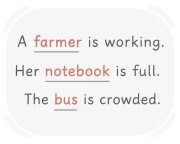
(grammar) describing words that are indicating the presence of only one person or thing
tekil
Öğrenciden çoğul isimleri tekrar tekil hallerine dönüştürmesi istendi.

following the standard rules of the grammar properly
gramer kurallarına uygun
Raporunu göndermeden önce herhangi bir dilbilgisi hatasını düzeltmek için geri bildirim istedi.

(of verbs, nouns, or adjectives) not following standard patterns or rules
kural dışı, düzensiz
Fransızca'daki düzensiz fiil biçimleriyle mücadele etti, çünkü bunlar genellikle düzenli kalıplardan önemli ölçüde farklılık gösterir.

(grammar) a verb that is used with the main verb of a sentence to indicate possibility, intention, etc., such as can, might, should, etc.
yardımcı fiil
Modal fiiller bazen zor olabilir çünkü anlamları bağlama göre değişebilir.

(grammar) describing a sentence, clause, etc. that will only be true or happen if something else is true or happens
koşullu
Koşul gramerini anlamak, bağımlılıkları ve sonuçları doğru bir şekilde tanımlayan cümleler oluşturmaya yardımcı olur.

(grammar) indicating a completed action or state
tamamlanmış geçmiş zamanlı fiil

a form of a verb that "ed", etc. is added to the end of it which is used to form passive or present tenses or adjectives
geçmiş zaman ortacı
Geçmiş zaman ortacı anlamak, geçmiş zamanın hikâyesinde cümleler kurmak için çok önemlidir.

(grammar) describing a verb that indicates an action in progress
devamı olan
Geçmiş sürekli zaman, "Onlar çalışıyorlardı" gibi, geçmişte devam eden bir eylemi tanımlar.

(grammar) describing a verb form or aspect that presents an action or situation as continuing
devamlılık belirten

a particular combination of words that are used together very often
birlikte kullanım
Yanlış eşdizimler kullanmak, bir cümleyi tuhaf veya doğal olmayan hale getirebilir.
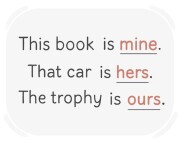
(grammar) describing nouns and pronouns that indicate ownership
iyelik
Çoğul isme fazladan bir iyelik kesme işareti ekleyerek bir hata yaptı.
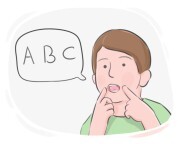
the way a word is pronounced
söyleyiş, telaffuz
Yerli konuşmacıları dinlemek telaffuza yardımcı olur.

(phonetics) a speech sound produced by interfering with or stopping the flow of air through the mouth or nose
ünsüz
Şiirin hoş bir ritmi vardı çünkü tekrarlanan ünsüz seslerden dolayı.

(phonetics) a speech sound produced without interfering with the flow of air coming through the mouth or nose
sesli harf
Fonetik dersi için ünlü sesleri ezberlemek zorunda kaldı.

(phonetics) an added force when pronouncing a syllable or word
vurgu
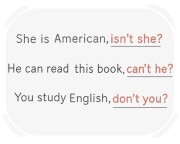
(grammar) a short question added to the end of a statement that is formed form the same statement
eklenti soru
Konuşmasında tag sorularını doğru kullanmakta zorlandı, bu da bazen cümlelerini kafa karıştırıcı hale getirdi.

the use of marks such as a period, comma, etc. in writing to divide sentences and phrases to better convey meaning
noktalama
E-postadaki noktalama eksikliği onu şaşırttı, bu da takip etmeyi zorlaştırdı.
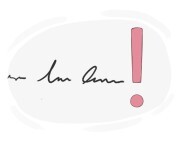
the mark ! used after a sentence to indicate excitement, surprise, etc.
ünlem işareti
Coşkusunu göstermek için mesajını bir ünlem işareti ile bitirdi.
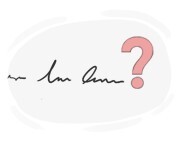
the mark ? used at the end of a sentence to show that it is a question
soru işareti
Editör, belgede eksik bir soru işareti fark etti ve düzeltmeyi yaptı.

the mark , used to separate items in a list or indicate a pause in a sentence
virgül
Makalesinde 'ama'dan önce bir virgül eklemeyi unuttu, bu da cümleyi kafa karıştırıcı hale getirdi.

to be the letters being put together in the correct order form a particular word
okunmak

a grammatical construction in which two negative elements are used within the same sentence, often resulting in a positive meaning
ikili olumsuz
Öğretmen, İngilizcede bir çift olumsuzluğun genellikle birbirini giderdiğini ve olumlu bir ifadeye yol açtığını açıkladı.
