
B2 Ordlista - Grammatik
Här kommer du att lära dig några engelska ord om grammatik, såsom "plural", "preposition", "prefix" etc., förberedda för B2-inlärare.
Recension
Flashcards
Stavning
Quiz


the shortened form of a word, etc.

förkortning, abbreviatur
När du skriver en rapport, se till att definiera alla förkortningar första gången du använder dem.

(grammar) any type of determiner that shows whether we are referring to a particular thing or a general example of something
artikel

a verb that is used with other verbs to indicate tense, voice, etc., such as do, have, and be
hjälpverb
Ett hjälpverb hjälper till att bilda olika tempus på engelska.

a word or expression that connects words, phrases, or clauses
konjunktion, bindeord

(grammar) a word that comes before a noun or pronoun to indicate location, direction, time, manner, or the relationship between two objects
preposition, relationsord
De arbetar på ett nytt projekt. "På" är prepositionen som länkar handlingen till objektet.

(grammar) the name of a place, person, country, etc. with its first letter capitalized
egennamn, proprium
Läraren bad eleverna att identifiera egennamn i stycket för deras grammatikövning.

(grammar) a word that can replace a noun or noun phrase, such as she, it, they, etc.
pronomen, ett ord som kan ersätta ett substantiv eller en nominalfras
Pronomen är viktiga för att göra meningar mindre repetitiva och mer flytande.

(grammar) a letter or a set of letters that are added to the beginning of a word to alter its meaning and make a new word
prefix
Ordboken gav en lista över prefix och deras betydelser för att hjälpa till med ordbildning och förståelse.

(grammar) a letter or a set of letters that are added to the end of a word to alter its meaning and make a new word
suffix, ändelse
Eleverna övade på att lägga till olika suffix till rotord för att se hur deras betydelser förändrades.

(grammar) describing a verb whose subject is the one that does the action
aktiv, verksam
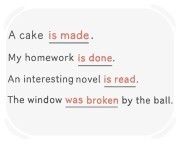
describing a grammatical form in which the subject receives or is affected by the action
passiv, passivt

relating to the form of an adjective or adverb that expresses a greater or lesser degree of a quality
komparativ, jämförande

(grammar) describing the highest amount or degree of an adjective or adverb
superlativ, superlativform
Superlativa adverb, som 'snabbast', hjälper till att framhäva den högsta graden av en handling.

(grammar) describing words that are indicating the presence of more than one person or thing
plural, plurala
På engelska är pluralformen av "katt" "katter".

(grammar) describing words that are indicating the presence of only one person or thing
singular
Eleven ombads att konvertera de plurala substantiven tillbaka till sina singular-former.

following the standard rules of the grammar properly
grammatisk, enligt grammatikens standardregler
Hon bad om feedback på sin rapport för att rätta eventuella grammatiska fel innan hon lämnade in den.

(of verbs, nouns, or adjectives) not following standard patterns or rules
oregelbunden
Hon kämpade med de oregelbundna verbformerna i franska, eftersom de ofta skiljer sig avsevärt från de regelbundna mönstren.

(grammar) a verb that is used with the main verb of a sentence to indicate possibility, intention, etc., such as can, might, should, etc.
modalt verb, hjälpverb
Hjälpverb kan ibland vara knepiga eftersom deras betydelser kan förändras beroende på sammanhanget.

(grammar) describing a sentence, clause, etc. that will only be true or happen if something else is true or happens
villkorlig
Att förstå villkorsgrammatik hjälper till att formulera meningar som korrekt beskriver beroenden och resultat.

(grammar) indicating a completed action or state
perfekt, avslutad

a form of a verb that "ed", etc. is added to the end of it which is used to form passive or present tenses or adjectives
perfekt particip, perfekt particip av verbet
Att förstå perfektparticip är avgörande för att konstruera meningar i pluskvamperfekt.

(grammar) describing a verb that indicates an action in progress
kontinuerlig
Den kontinuerliga förflutna tiden, som i "De studerade", beskriver en handling som pågick i det förflutna.

(grammar) describing a verb form or aspect that presents an action or situation as continuing
progressiv, pågående

a particular combination of words that are used together very often
kollokation, ordkombination
Att använda felaktiga kollokationer kan få en mening att låta klumpig eller onaturlig.
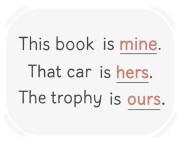
(grammar) describing nouns and pronouns that indicate ownership
possessiv
Den possessiva kasusen i engelska innebär ofta att man lägger till en apostrof och ett 's' till substantivet.
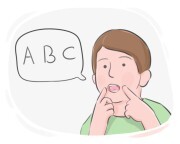
the way a word is pronounced
uttal, artikulation
Att lyssna på modersmålstalare hjälper med uttal.

(phonetics) a speech sound produced by interfering with or stopping the flow of air through the mouth or nose
konsonant, konsonantljud
Dikten hade en behaglig rytm på grund av de upprepade konsonant-ljuden.

(phonetics) a speech sound produced without interfering with the flow of air coming through the mouth or nose
vokal, vokalljud
Hon var tvungen att memorera vokal-ljuden för sin fonetiklektion.

(phonetics) an added force when pronouncing a syllable or word
betoning, accent
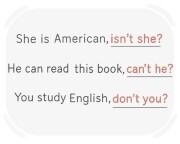
(grammar) a short question added to the end of a statement that is formed form the same statement
tilläggsfråga, bekräftelsefråga
Hon kämpade med att använda bifrågor korrekt i sitt tal, vilket ibland gjorde hennes meningar förvirrande.

the use of marks such as a period, comma, etc. in writing to divide sentences and phrases to better convey meaning
interpunktion
Han var förvirrad av bristen på interpunktion i e-postmeddelandet, vilket gjorde det svårt att följa.
the mark ! used after a sentence to indicate excitement, surprise, etc.
utropstecken, exklamationstecken
För att visa entusiasm avslutade hon sitt meddelande med ett utropstecken.
the mark ? used at the end of a sentence to show that it is a question
frågetecken
Redaktören märkte ett saknat frågetecken i dokumentet och gjorde korrigeringen.
the mark , used to separate items in a list or indicate a pause in a sentence
kommatecken, skiljetecken
Han glömde att lägga till ett kommatecken före 'men' i sin uppsats, vilket gjorde meningen förvirrande.

to be the letters being put together in the correct order form a particular word
stava, skriva korrekt

a grammatical construction in which two negative elements are used within the same sentence, often resulting in a positive meaning
dubbel negation, negation dubbel
Läraren förklarade att en dubbel negation på engelska vanligtvis tar ut varandra, vilket leder till ett positivt påstående.
