
Danh Sách Từ Vựng Trình Độ B2 - Ngữ pháp
Ở đây bạn sẽ học một số từ tiếng Anh về ngữ pháp, như "số nhiều", "giới từ", "tiền tố", v.v., được chuẩn bị cho người học trình độ B2.
Xem lại
Thẻ ghi nhớ
Chính tả
Đố vui


the shortened form of a word, etc.

chữ viết tắt, sự rút gọn
Khi viết báo cáo, hãy đảm bảo định nghĩa bất kỳ chữ viết tắt nào lần đầu tiên bạn sử dụng chúng.

(grammar) any type of determiner that shows whether we are referring to a particular thing or a general example of something
mạo từ

a verb that is used with other verbs to indicate tense, voice, etc., such as do, have, and be
động từ trợ giúp
Học cách sử dụng đúng động từ trợ giúp có thể cải thiện đáng kể khả năng xây dựng câu phức tạp.

a word or expression that connects words, phrases, or clauses
liên từ

(grammar) a word that comes before a noun or pronoun to indicate location, direction, time, manner, or the relationship between two objects
giới từ, từ quan hệ
Giáo viên giải thích rằng giới từ được sử dụng để thể hiện mối quan hệ giữa danh từ và các phần khác của câu.

(grammar) the name of a place, person, country, etc. with its first letter capitalized
danh từ riêng, danh từ chính danh
Danh từ riêng quan trọng để phân biệt các thực thể cụ thể trong văn viết và lời nói.

(grammar) a word that can replace a noun or noun phrase, such as she, it, they, etc.
đại từ, từ có thể thay thế cho danh từ hoặc cụm danh từ
Đại từ rất cần thiết để làm cho câu ít lặp lại và trôi chảy hơn.

(grammar) a letter or a set of letters that are added to the beginning of a word to alter its meaning and make a new word
tiền tố
Trong bài học từ vựng, họ tập trung vào cách tiền tố có thể thay đổi ý nghĩa của từ gốc.

(grammar) a letter or a set of letters that are added to the end of a word to alter its meaning and make a new word
hậu tố, tiếp vĩ ngữ
Hiểu cách hậu tố thay đổi từ ngữ là điều cần thiết để mở rộng vốn từ vựng và cải thiện kỹ năng viết.

(grammar) describing a verb whose subject is the one that does the action
chủ động, tích cực
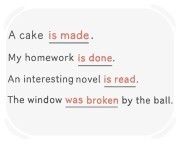
describing a grammatical form in which the subject receives or is affected by the action
bị động, thụ động

relating to the form of an adjective or adverb that expresses a greater or lesser degree of a quality
so sánh, hơn

(grammar) describing the highest amount or degree of an adjective or adverb
so sánh nhất, tính từ so sánh nhất
Khi so sánh ba hoặc nhiều mục, hãy sử dụng dạng so sánh nhất để chỉ ra điểm cực đoan của sự so sánh.

(grammar) describing words that are indicating the presence of more than one person or thing
số nhiều, nhiều
Danh từ số nhiều quan trọng trong việc hiểu cấu trúc câu.

(grammar) describing words that are indicating the presence of only one person or thing
số ít
Dạng số ít của "geese" là "goose".

following the standard rules of the grammar properly
ngữ pháp, theo đúng ngữ pháp
Cô ấy đã yêu cầu phản hồi về báo cáo của mình để sửa bất kỳ lỗi ngữ pháp nào trước khi nộp.

(of verbs, nouns, or adjectives) not following standard patterns or rules
bất quy tắc
Tiếng Anh có nhiều động từ bất quy tắc, như 'go' và 'eat', không tuân theo các mẫu chia động từ tiêu chuẩn.

(grammar) a verb that is used with the main verb of a sentence to indicate possibility, intention, etc., such as can, might, should, etc.
động từ khuyết thiếu, trợ động từ tình thái
Động từ khuyết thiếu đôi khi có thể khó vì nghĩa của chúng có thể thay đổi tùy theo ngữ cảnh.

(grammar) describing a sentence, clause, etc. that will only be true or happen if something else is true or happens
có điều kiện
Hiểu ngữ pháp điều kiện giúp xây dựng câu mô tả chính xác các phụ thuộc và kết quả.

(grammar) indicating a completed action or state
hoàn thành, hoàn hảo

a form of a verb that "ed", etc. is added to the end of it which is used to form passive or present tenses or adjectives
quá khứ phân từ, quá khứ phân từ của động từ
Hiểu phân từ quá khứ là rất quan trọng để xây dựng câu ở thì quá khứ hoàn thành.

(grammar) describing a verb that indicates an action in progress
liên tục
Trong ngữ pháp tiếng Anh, thì tiếp diễn được sử dụng để mô tả các hành động đang diễn ra.

(grammar) describing a verb form or aspect that presents an action or situation as continuing
tiếp diễn, đang diễn ra

a particular combination of words that are used together very often
kết hợp từ, sự kết hợp từ ngữ
Anh ấy nhận thấy rằng học kết hợp từ hiệu quả hơn so với ghi nhớ từng từ vựng riêng lẻ.
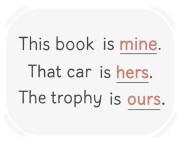
(grammar) describing nouns and pronouns that indicate ownership
sở hữu
Hiểu các dạng sở hữu là điều cần thiết để thể hiện mối quan hệ và quyền sở hữu trong văn bản.
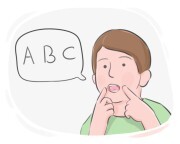
the way a word is pronounced
phát âm, cách phát âm
Anh ấy gặp khó khăn với cách phát âm của một số âm thanh tiếng Anh.

(phonetics) a speech sound produced by interfering with or stopping the flow of air through the mouth or nose
phụ âm, âm phụ
Bài thơ có nhịp điệu dễ chịu vì những âm phụ âm lặp lại.

(phonetics) a speech sound produced without interfering with the flow of air coming through the mouth or nose
nguyên âm, âm nguyên âm
Sự thay đổi nguyên âm trong các ngôn ngữ khác nhau có thể ảnh hưởng đáng kể đến cách phát âm và ý nghĩa.

(phonetics) an added force when pronouncing a syllable or word
trọng âm, nhấn mạnh
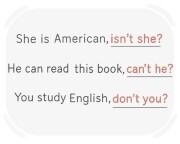
(grammar) a short question added to the end of a statement that is formed form the same statement
câu hỏi đuôi, câu hỏi xác nhận
Cô ấy gặp khó khăn trong việc sử dụng đúng câu hỏi đuôi trong lời nói của mình, đôi khi khiến câu nói của cô ấy trở nên khó hiểu.

the use of marks such as a period, comma, etc. in writing to divide sentences and phrases to better convey meaning
dấu câu
Giáo viên nhấn mạnh tầm quan trọng của dấu câu trong việc truyền đạt ý nghĩa dự định của một câu.
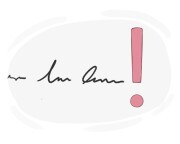
the mark ! used after a sentence to indicate excitement, surprise, etc.
dấu chấm than, dấu cảm thán
Giáo viên giải thích rằng việc sử dụng quá nhiều dấu chấm than có thể khiến bài viết trở nên quá kịch tính.
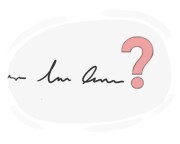
the mark ? used at the end of a sentence to show that it is a question
dấu hỏi
Biên tập viên nhận thấy thiếu dấu hỏi trong tài liệu và đã sửa lại.

the mark , used to separate items in a list or indicate a pause in a sentence
dấu phẩy, dấu chấm câu
Dấu phẩy trong địa chỉ đã giúp tránh nhầm lẫn khi gửi thư.

to be the letters being put together in the correct order form a particular word
đánh vần, viết đúng chính tả

a grammatical construction in which two negative elements are used within the same sentence, often resulting in a positive meaning
phủ định kép, kép phủ định
Câu "Chúng tôi chưa thấy ai cả" sử dụng phủ định kép, ngụ ý rằng họ đã thấy ai đó.
