pattern

فهرست واژگان سطح B2 - دستورزبان

در اینجا شما برخی از کلمات انگلیسی درباره دستور زبان، مانند "جمع"، "حرف اضافه"، "پیشوند" و غیره، که برای زبان آموزان سطح B2 آماده شده است را یاد خواهید گرفت.

مرور

فلش‌کارت‌ها

املای کلمه

آزمون

شروع یادگیری
CEFR B2 Vocabulary
abbreviation
abbreviation
[اسم]

the shortened form of a word, etc.

مخفف

مخفف

Ex: When writing a report, be sure to define any abbreviations the first time you use them. 

هنگام نوشتن گزارش، مطمئن شوید که هر مخفف را اولین بار که از آن استفاده می‌کنید تعریف کنید.

بستن
ورود
article
article
[اسم]

(grammar) any type of determiner that shows whether we are referring to a particular thing or a general example of something

حرف تعریف

حرف تعریف

Ex: The book provides exercises to help learners practice using articles correctly. 

کتاب تمرین‌هایی ارائه می‌دهد تا به زبان‌آموزان کمک کند استفاده صحیح از حروف تعریف را تمرین کنند.

بستن
ورود
auxiliary verb

a verb that is used with other verbs to indicate tense, voice, etc., such as do, have, and be

فعل کمکی

فعل کمکی

Ex: Auxiliary verbs are essential in forming perfect tenses, as in 'They have finished their homework. 

افعال کمکی در تشکیل زمان‌های کامل ضروری هستند، مانند 'آنها تکالیف خود را تمام کرده‌اند.'

بستن
ورود
conjunction
conjunction
[اسم]

(grammar) a word such as and, because, but, and or that connects phrases, sentences, or words

حرف ربط

حرف ربط

Ex: Understanding how to use conjunctions correctly can improve the flow and clarity of writing. 

درک چگونگی استفاده صحیح از حروف ربط می‌تواند جریان و وضوح نوشتار را بهبود بخشد.

بستن
ورود
preposition
preposition
[اسم]

(grammar) a word that comes before a noun or pronoun to indicate location, direction, time, manner, or the relationship between two objects

حرف اضافه

حرف اضافه

Ex: She struggled with prepositions in English because they often don't translate directly from her native language. 

او با حروف اضافه در انگلیسی مشکل داشت زیرا اغلب مستقیماً از زبان مادری‌اش ترجمه نمی‌شوند.

بستن
ورود
proper noun
proper noun
[اسم]

(grammar) the name of a place, person, country, etc. with its first letter capitalized

اسم خاص

اسم خاص

Ex: Proper nouns like 'Mount Everest' refer to unique geographical features. 

اسم‌های خاص مانند 'کوه اورست' به ویژگی‌های جغرافیایی منحصر به فرد اشاره می‌کنند.

بستن
ورود
pronoun
pronoun
[اسم]

(grammar) a word that can replace a noun or noun phrase, such as she, it, they, etc.

ضمیر (دستورزبان)

ضمیر (دستورزبان)

Ex: Pronouns are essential for making sentences less repetitive and more fluid. 

ضمایر برای کمتر تکراری و روان‌تر کردن جملات ضروری هستند.

بستن
ورود
prefix
prefix
[اسم]

(grammar) a letter or a set of letters that are added to the beginning of a word to alter its meaning and make a new word

پیشوند

پیشوند

Ex: The dictionary provided a list of prefixes and their meanings to help with word formation and understanding. 

فرهنگ واژگان فهرستی از پیشوندها و معانی آنها را برای کمک به تشکیل و درک کلمات ارائه کرد.

بستن
ورود
suffix
suffix
[اسم]

(grammar) a letter or a set of letters that are added to the end of a word to alter its meaning and make a new word

پسوند

پسوند

Ex: Students practiced adding different suffixes to root words to see how their meanings changed. 

دانش‌آموزان افزودن پسوندهای مختلف به کلمات ریشه را تمرین کردند تا ببینند معانی آنها چگونه تغییر کرد.

بستن
ورود
active
active
[صفت]

(grammar) describing a verb whose subject is the one that does the action

معلوم (دستورزبان)
معلوم (دستورزبان)

Ex: He practiced converting passive voice constructions into active ones to improve his writing skills. 

او تمرین کرد که ساختارهای مجهول را به ساختارهای معلوم تبدیل کند تا مهارت‌های نوشتاری خود را بهبود بخشد.

بستن
ورود
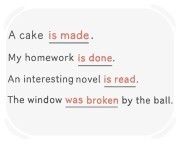
passive
passive
[صفت]

(grammar) describing a verb whose subject is affected by the action of the verb

مجهول (دستورزبان)

مجهول (دستورزبان)

Ex: She preferred to use passive constructions in her writing to emphasize the action rather than the subject. 

او ترجیح می‌داد از ساختارهای مجهول در نوشته‌هایش استفاده کند تا بر عمل به جای فاعل تأکید کند.

بستن
ورود
comparative
comparative
[صفت]

(grammar) describing adverbs or adjectives that indicate a difference in degree, quality, size, etc.

صفت مقایسه‌ای (دستورزبان)

صفت مقایسه‌ای (دستورزبان)

Ex: Comparative adverbs, like 'more quickly,' help describe the difference in the manner of actions. 

قیدهای مقایسه‌ای، مانند 'سریع‌تر'، به توصیف تفاوت در شیوهٔ اعمال کمک می‌کنند.

بستن
ورود
superlative
superlative
[صفت]

(grammar) describing the highest amount or degree of an adjective or adverb

عالی (دستورزبان)

عالی (دستورزبان)

Ex: Superlative adverbs, like 'most quickly,' help highlight the greatest extent of an action. 

قیدهای عالی، مانند 'سریع‌ترین'، به برجسته‌سازی بالاترین درجه یک عمل کمک می‌کنند.

بستن
ورود
plural
plural
[صفت]

(grammar) describing words that are indicating the presence of more than one person or thing

جمع (دستورزبان)

جمع (دستورزبان)

Ex: In grammar lessons, students are often taught the difference between singular and plural nouns. 

در درس‌های دستور زبان، اغلب به دانش‌آموزان تفاوت بین اسامی مفرد و جمع آموزش داده می‌شود.

بستن
ورود
singular
singular
[صفت]

(grammar) describing words that are indicating the presence of only one person or thing

مفرد (دستورزبان)

مفرد (دستورزبان)

Ex: In the sentence "She is a teacher," the word "teacher" is singular. 

در جمله "او یک معلم است"، کلمه "معلم" در حالت مفرد است.

بستن
ورود
grammatical
grammatical
[صفت]

following the standard rules of the grammar properly

صحیح (از نظر دستوری), مطابق دستورزبان

صحیح (از نظر دستوری), مطابق دستورزبان

Ex: She asked for feedback on her report to correct any grammatical mistakes before submitting it. 

او درخواست بازخورد در مورد گزارش خود کرد تا هرگونه اشتباه دستوری را قبل از ارسال آن اصلاح کند.

بستن
ورود
irregular
irregular
[صفت]

(of verbs, nouns, or adjectives) not following standard patterns or rules

بی‌قاعده (دستورزبان)

بی‌قاعده (دستورزبان)

Ex: Learning irregular nouns can be challenging because their plural forms don't follow regular rules. 

یادگیری اسم‌های بی‌قاعده می‌تواند چالش‌برانگیز باشد زیرا شکل‌های جمع آن‌ها از قوانین معمول پیروی نمی‌کنند.

بستن
ورود
modal
modal
[اسم]

(grammar) a verb that is used with the main verb of a sentence to indicate possibility, intention, etc., such as can, might, should, etc.

فعل وجهی

فعل وجهی

Ex: Modals can sometimes be tricky because their meanings can change depending on the context. 

افعال معین گاهی می‌توانند مشکل‌ساز باشند زیرا معانی آنها بسته به زمینه می‌تواند تغییر کند.

بستن
ورود
conditional
conditional
[صفت]

(grammar) describing a sentence, clause, etc. that will only be true or happen if something else is true or happens

شرطی (دستورزبان)

شرطی (دستورزبان)

Ex: Understanding conditional grammar helps in crafting sentences that accurately describe dependencies and outcomes. 

درک دستور زبان شرطی به ساخت جملاتی کمک می‌کند که وابستگی‌ها و نتایج را به دقت توصیف می‌کنند.

بستن
ورود
perfect
perfect
[صفت]

(grammar) indicating a completed action or state

کامل (زمان در دستورزبان)

کامل (زمان در دستورزبان)

Ex: To convey the completion of an action in the past, the writer used the past perfect tense perfectly. 

برای انتقال تکمیل یک عمل در گذشته، نویسنده زمان گذشته کامل را به طور کامل استفاده کرد.

بستن
ورود
past participle

a form of a verb that "ed", etc. is added to the end of it which is used to form passive or present tenses or adjectives

اسم مفعول (دستورزبان), صفت مفعولی

اسم مفعول (دستورزبان), صفت مفعولی

Ex: Understanding past participles is crucial for constructing sentences in the past perfect tense. 

درک اسم مفعول برای ساخت جملات در زمان گذشته کامل ضروری است.

بستن
ورود
continuous
continuous
[صفت]

(grammar) describing a verb that indicates an action in progress

استمراری (دستورزبان)

استمراری (دستورزبان)

Ex: Understanding the difference between simple and continuous tenses is crucial for proper sentence construction. 

درک تفاوت بین زمان‌های ساده و پیوسته برای ساخت صحیح جمله ضروری است.

بستن
ورود
progressive
progressive
[صفت]

(grammar) describing a form of a verb that indicates an action is continuing

استمراری (دستورزبان)

استمراری (دستورزبان)

Ex: The difference between the simple and progressive tenses often involves the focus on the duration or continuity of an action. 

تفاوت بین زمان‌های ساده و پیش رونده اغلب شامل تمرکز بر مدت یا تداوم یک عمل است.

بستن
ورود
collocation
collocation
[اسم]

a particular combination of words that are used together very often

همایند, همنشینی (واژگانی)

همایند, همنشینی (واژگانی)

Ex: She studied collocations to improve her fluency and sound more like a native speaker. 

او همنشینی واژگان را مطالعه کرد تا روانی خود را بهبود بخشد و بیشتر شبیه یک گویشور بومی به نظر برسد.
بستن
ورود
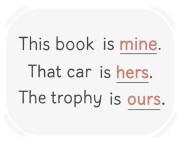
possessive
possessive
[صفت]

(grammar) describing nouns and pronouns that indicate ownership

ملکی (دستورزبان)

ملکی (دستورزبان)

Ex: The possessive case in English often involves adding an apostrophe and 's' to the noun. 

حالت ملکی در انگلیسی اغلب شامل اضافه کردن آپاستروف و 's' به اسم می‌شود.

بستن
ورود
pronunciation

the way a word is pronounced

تلفظ

تلفظ

Ex: The teacher corrected my pronunciation of the difficult word. 

معلم تلفظ من از کلمه سخت را تصحیح کرد.

بستن
ورود
consonant
consonant
[اسم]

‌(phonetics) a speech sound produced by interfering with or stopping the flow of air through the mouth or nose

همخوان (آواشناسی), صامت، حرف بی‌صدا

همخوان (آواشناسی), صامت، حرف بی‌صدا

Ex: The poem had a pleasing rhythm because of the repeated consonant sounds. 

شعر ریتم دلپذیری داشت به دلیل صداهای صامت تکراری.

بستن
ورود
vowel
vowel
[اسم]

‌(phonetics) a speech sound produced without interfering with the flow of air coming through the mouth or nose

واکه (آواشناسی), مصوت، حرف صدادار

واکه (آواشناسی), مصوت، حرف صدادار

Ex: The word 'cat' contains a single vowel, while 'elephant' has three vowels. 

کلمه 'گربه' حاوی یک واکه است، در حالی که 'فیل' سه واکه دارد.

بستن
ورود
stress
stress
[اسم]

(phonetics) an added force when pronouncing a syllable or word

تکیه (آواشناسی)
تکیه (آواشناسی)

Ex: In poetry, stress plays a crucial role in creating rhythm and meter, shaping the overall flow of the verse. 

در شعر، تکیه نقشی حیاتی در ایجاد ریتم و وزن دارد و جریان کلی بیت را شکل می‌دهد.

بستن
ورود
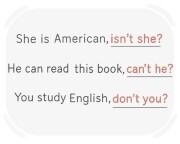
tag question
tag question
[اسم]

(grammar) a short question added to the end of a statement that is formed form the same statement

پی‌پرسش (دستورزبان)

پی‌پرسش (دستورزبان)

Ex: She struggled with using tag questions correctly in her speech, sometimes making her sentences confusing. 

او در استفاده صحیح از سوالات تأییدی در سخنرانی‌اش مشکل داشت، گاهی اوقات جملاتش را گیج‌کننده می‌کرد.

بستن
ورود
punctuation
punctuation
[اسم]

the use of marks such as a period, comma, etc. in writing to divide sentences and phrases to better convey meaning

نشانه‌گذاری

نشانه‌گذاری

Ex: Proper punctuation is essential for making your writing clear and easy to understand. 

نقطه‌گذاری برای واضح و قابل فهم کردن نوشته شما ضروری است.
بستن
ورود
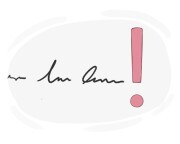
exclamation point

the mark ! used after a sentence to indicate excitement, surprise, etc.

علامت تعجب

علامت تعجب

Ex: She added an exclamation point at the end of her text to emphasize her excitement. 

او یک علامت تعجب در انتهای متن خود اضافه کرد تا هیجان خود را تأکید کند.
بستن
ورود
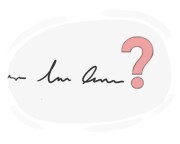
question mark

the mark ? used at the end of a sentence to show that it is a question

علامت سؤال

علامت سؤال

Ex: The editor noticed a missing question mark in the document and made the correction. 

ویرایشگر متوجه علامت سوال گمشده در سند شد و اصلاح را انجام داد.
بستن
ورود
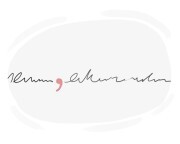
comma
comma
[اسم]

the mark , used to separate items in a list or indicate a pause in a sentence

ویرگول (نشانه‌گذاری), واوک، درنگ‌نما، کاما

ویرگول (نشانه‌گذاری), واوک، درنگ‌نما، کاما

Ex: She used a comma to separate the clauses in her complex sentence. 

او از ویرگول برای جدا کردن بندها در جمله پیچیده خود استفاده کرد.

بستن
ورود
to spell
to spell
[فعل]

to be the letters being put together in the correct order form a particular word

هجی شدن, املاء شدن

هجی شدن, املاء شدن

Ex: "P-i-z-z-a" spells the word "pizza," one of my favorite foods. 

"P-i-z-z-a" هجی می‌کند کلمه "پیتزا" را که یکی از غذاهای مورد علاقه من است.

بستن
ورود
double negative

a grammatical construction in which two negative elements are used within the same sentence, often resulting in a positive meaning

نفی مضاعف

نفی مضاعف

Ex: The phrase "I don't know nothing about it" uses a double negative, which actually means "I know something about it." 

عبارت "من هیچ چیز در مورد آن نمی‌دانم" از یک منفی مضاعف استفاده می‌کند که در واقع به معنای "من چیزی در مورد آن می‌دانم" است.

بستن
ورود
LanGeek
دانلود اپلیکشن LanGeek