
pattern

Daftar Kata Level B2 - Tata Bahasa

Di sini Anda akan mempelajari beberapa kata bahasa Inggris tentang tata bahasa, seperti "jamak", "preposisi", "awalan", dll., yang disiapkan untuk pelajar tingkat B2.

Tinjauan

Kartu flash

Ejaan

Kuis

Mulai belajar
CEFR B2 Vocabulary
abbreviation
abbreviation
[Kata benda]

the shortened form of a word, etc.

singkatan, kependekan

singkatan, kependekan

Ex: The abbreviation 'CEO' stands for Chief Executive Officer. 

Singkatan 'CEO' adalah singkatan dari Chief Executive Officer.

Tutup
Masuk
article
article
[Kata benda]

(grammar) any type of determiner that shows whether we are referring to a particular thing or a general example of something

artikel

artikel

Ex: The teacher explained that 'the' is a definite article used to refer to specific items. 

Guru menjelaskan bahwa 'the' adalah artikel pasti yang digunakan untuk merujuk pada item tertentu.

Tutup
Masuk
auxiliary verb
auxiliary verb
[Kata benda]

a verb that is used with other verbs to indicate tense, voice, etc., such as do, have, and be

kata kerja bantu

kata kerja bantu

Ex: Learning how to properly use auxiliary verbs can greatly improve one's ability to construct complex sentences. 

Belajar cara menggunakan kata kerja bantu dengan benar dapat sangat meningkatkan kemampuan untuk menyusun kalimat kompleks.

Tutup
Masuk
conjunction
conjunction
[Kata benda]

(grammar) a word such as and, because, but, and or that connects phrases, sentences, or words

konjungsi, kata penghubung

konjungsi, kata penghubung

Ex: In compound sentences, conjunctions are essential for linking ideas and creating coherence. 

Dalam kalimat majemuk, konjungsi sangat penting untuk menghubungkan ide dan menciptakan koherensi.

Tutup
Masuk
preposition
preposition
[Kata benda]

(grammar) a word that comes before a noun or pronoun to indicate location, direction, time, manner, or the relationship between two objects

preposisi, kata penghubung

preposisi, kata penghubung

Ex: The teacher explained that prepositions are used to show relationships between nouns and other parts of the sentence. 

Guru menjelaskan bahwa preposisi digunakan untuk menunjukkan hubungan antara kata benda dan bagian lain dari kalimat.

Tutup
Masuk
proper noun
proper noun
[Kata benda]

(grammar) the name of a place, person, country, etc. with its first letter capitalized

nama diri, kata benda nama diri

nama diri, kata benda nama diri

Ex: Proper nouns are important for distinguishing specific entities in writing and speech. 

Kata benda khusus penting untuk membedakan entitas tertentu dalam tulisan dan ucapan.

Tutup
Masuk
pronoun
pronoun
[Kata benda]

(grammar) a word that can replace a noun or noun phrase, such as she, it, they, etc.

kata ganti, kata yang dapat menggantikan kata benda atau frasa kata benda

kata ganti, kata yang dapat menggantikan kata benda atau frasa kata benda

Ex: Using the correct pronoun is important for clarity in writing and speaking. 

Menggunakan kata ganti yang benar penting untuk kejelasan dalam menulis dan berbicara.

Tutup
Masuk
prefix
prefix
[Kata benda]

(grammar) a letter or a set of letters that are added to the beginning of a word to alter its meaning and make a new word

awalan

awalan

Ex: Understanding common prefixes, such as 'pre-' and 'dis-,' can help students decode unfamiliar words. 

Memahami prefiks umum, seperti 'pre-' dan 'dis-', dapat membantu siswa mendekode kata-kata yang tidak dikenal.

Tutup
Masuk
suffix
suffix
[Kata benda]

(grammar) a letter or a set of letters that are added to the end of a word to alter its meaning and make a new word

akhiran, sufiks

akhiran, sufiks

Ex: Adding the suffix '-ly' to 'quick' changes the word to 'quickly,' turning it into an adverb. 

Menambahkan akhiran '-ly' ke 'quick' mengubah kata menjadi 'quickly,' menjadikannya kata keterangan.

Tutup
Masuk
active
active
[Adjektiva]

(grammar) describing a verb whose subject is the one that does the action

aktif, beraksi
aktif, beraksi

Ex: She explained that active voice is often preferred in writing because it makes sentences clearer and more direct. 

Dia menjelaskan bahwa suara aktif sering lebih disukai dalam penulisan karena membuat kalimat lebih jelas dan langsung.

Tutup
Masuk
passive
passive
[Adjektiva]

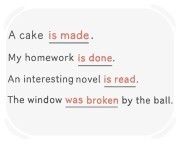
(grammar) describing a verb whose subject is affected by the action of the verb

pasif

pasif

Ex: In the passive voice, the object of an action becomes the subject of the sentence. 

Dalam kalimat pasif, objek suatu tindakan menjadi subjek kalimat.

Tutup
Masuk
comparative
comparative
[Adjektiva]

(grammar) describing adverbs or adjectives that indicate a difference in degree, quality, size, etc.

komparatif, perbandingan

komparatif, perbandingan

Ex: To form a comparative adjective, you often add '-er' to the end of the base adjective or use 'more' before it. 

Untuk membentuk kata sifat komparatif, Anda sering menambahkan '-er' di akhir kata sifat dasar atau menggunakan 'lebih' sebelumnya.

Tutup
Masuk
superlative
superlative
[Adjektiva]

(grammar) describing the highest amount or degree of an adjective or adverb

superlatif, kata sifat superlatif

superlatif, kata sifat superlatif

Ex: Superlative forms are used to describe the highest degree of a quality, such as 'tallest' or 'fastest.' 

Bentuk superlatif digunakan untuk menggambarkan tingkat tertinggi suatu kualitas, seperti 'tertinggi' atau 'tercepat'.

Tutup
Masuk
plural
plural
[Adjektiva]

(grammar) describing words that are indicating the presence of more than one person or thing

jamak, jamak-jamak

jamak, jamak-jamak

Ex: Plural nouns are important in understanding sentence structure. 

Kata benda jamak penting dalam memahami struktur kalimat.

Tutup
Masuk
singular
singular
[Adjektiva]

(grammar) describing words that are indicating the presence of only one person or thing

tunggal

tunggal

Ex: The singular form of "geese" is "goose." 

Bentuk tunggal dari "geese" adalah "goose".

Tutup
Masuk
grammatical
grammatical
[Adjektiva]

following the standard rules of the grammar properly

gramatikal, sesuai dengan aturan tata bahasa

gramatikal, sesuai dengan aturan tata bahasa

Ex: He made several grammatical errors in his essay, which affected the overall clarity of his arguments. 

Dia membuat beberapa kesalahan tata bahasa dalam esainya, yang mempengaruhi kejelasan keseluruhan argumennya.

Tutup
Masuk
irregular
irregular
[Adjektiva]

(of verbs, nouns, or adjectives) not following standard patterns or rules

tidak teratur

tidak teratur

Ex: English has many irregular verbs, like 'go' and 'eat,' that do not follow the standard conjugation patterns. 

Bahasa Inggris memiliki banyak kata kerja tidak beraturan, seperti 'go' dan 'eat', yang tidak mengikuti pola konjugasi standar.

Tutup
Masuk
modal
modal
[Kata benda]

(grammar) a verb that is used with the main verb of a sentence to indicate possibility, intention, etc., such as can, might, should, etc.

kata kerja bantu, modal

kata kerja bantu, modal

Ex: The teacher explained that modals are auxiliary verbs that help convey different shades of meaning. 

Guru menjelaskan bahwa kata kerja modal adalah kata kerja bantu yang membantu menyampaikan berbagai nuansa makna.

Tutup
Masuk
conditional
conditional
[Adjektiva]

(grammar) describing a sentence, clause, etc. that will only be true or happen if something else is true or happens

bersyarat

bersyarat

Ex: She practiced writing conditional sentences to improve her understanding of cause and effect. 

Dia berlatih menulis kalimat bersyarat untuk meningkatkan pemahamannya tentang sebab dan akibat.

Tutup
Masuk
perfect
perfect
[Adjektiva]

(grammar) indicating a completed action or state

sempurna, selesai

sempurna, selesai

Ex: She struggled with using the perfect tense correctly until she practiced more. 

Dia kesulitan menggunakan tenses sempurna dengan benar sampai dia berlatih lebih banyak.

Tutup
Masuk
past participle
past participle
[Kata benda]

a form of a verb that "ed", etc. is added to the end of it which is used to form passive or present tenses or adjectives

partisipel lampau, partisipel lampau dari kata kerja

partisipel lampau, partisipel lampau dari kata kerja

Ex: She was confused about the past participle of the verb 'to go' and asked her teacher for clarification. 

Dia bingung tentang kata kerja lampau dari kata kerja 'pergi' dan meminta penjelasan kepada gurunya.

Tutup
Masuk
continuous
continuous
[Adjektiva]

(grammar) describing a verb that indicates an action in progress

berkelanjutan

berkelanjutan

Ex: In English grammar, the continuous tense is used to describe actions that are ongoing. 

Dalam tata bahasa Inggris, bentuk kontinu digunakan untuk menggambarkan tindakan yang sedang berlangsung.

Tutup
Masuk
progressive
progressive
[Adjektiva]

(grammar) describing a form of a verb that indicates an action is continuing

progresif

progresif

Ex: The teacher explained that the progressive tense is used to describe actions that are ongoing. 

Guru menjelaskan bahwa bentuk progresif digunakan untuk menggambarkan tindakan yang sedang berlangsung.

Tutup
Masuk
collocation
collocation
[Kata benda]

a particular combination of words that are used together very often

kolokasi, kombinasi kata

kolokasi, kombinasi kata

Ex: He found that learning collocations was more effective than memorizing individual vocabulary words. 

Dia menemukan bahwa mempelajari kolokasi lebih efektif daripada menghafal kata-kata kosakata individual.
Tutup
Masuk
possessive
possessive
[Adjektiva]

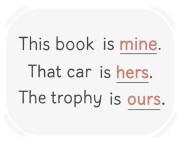
(grammar) describing nouns and pronouns that indicate ownership

kepemilikan

kepemilikan

Ex: He made a mistake by adding an extra possessive apostrophe to the plural noun. 

Dia membuat kesalahan dengan menambahkan tanda petik tunggal kepemilikan ekstra ke kata benda jamak.
Tutup
Masuk
pronunciation
pronunciation
[Kata benda]

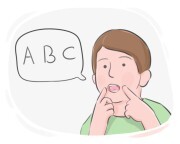
the way a word is pronounced

pengucapan, pelafalan

pengucapan, pelafalan

Ex: He struggled with the pronunciation of some English sounds. 

Dia kesulitan dengan pelafalan beberapa suara dalam bahasa Inggris.

Tutup
Masuk
consonant
consonant
[Kata benda]

‌(phonetics) a speech sound produced by interfering with or stopping the flow of air through the mouth or nose

konsonan, bunyi konsonan

konsonan, bunyi konsonan

Ex: The teacher explained that consonants are speech sounds made by obstructing airflow in the vocal tract. 

Guru menjelaskan bahwa konsonan adalah bunyi ujaran yang dihasilkan dengan menghalangi aliran udara di saluran vokal.

Tutup
Masuk
vowel
vowel
[Kata benda]

‌(phonetics) a speech sound produced without interfering with the flow of air coming through the mouth or nose

vokal, bunyi vokal

vokal, bunyi vokal

Ex: Vowel changes in different languages can significantly affect pronunciation and meaning. 

Perubahan vokal dalam berbagai bahasa dapat secara signifikan mempengaruhi pengucapan dan makna.

Tutup
Masuk
stress
stress
[Kata benda]

(phonetics) an added force when pronouncing a syllable or word

tekanan, aksen
tekanan, aksen

Ex: In English, stress is important because it can change the meaning of a word, such as 'record' as a noun versus 'record' as a verb. 

Dalam bahasa Inggris, tekanan penting karena dapat mengubah arti sebuah kata, seperti 'record' sebagai kata benda versus 'record' sebagai kata kerja.

Tutup
Masuk
tag question
tag question
[Kata benda]

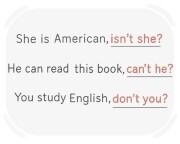
(grammar) a short question added to the end of a statement that is formed form the same statement

pertanyaan tag, pertanyaan konfirmasi

pertanyaan tag, pertanyaan konfirmasi

Ex: She added a tag question to her statement to check if everyone agreed with her opinion. 

Dia menambahkan pertanyaan tag pada pernyataannya untuk memeriksa apakah semua orang setuju dengan pendapatnya.

Tutup
Masuk
punctuation
punctuation
[Kata benda]

the use of marks such as a period, comma, etc. in writing to divide sentences and phrases to better convey meaning

tanda baca

tanda baca

Ex: The teacher emphasized the importance of punctuation in conveying the intended meaning of a sentence. 

Guru menekankan pentingnya tanda baca dalam menyampaikan makna yang dimaksud dari sebuah kalimat.

Tutup
Masuk
exclamation point
exclamation point
[Kata benda]

the mark ! used after a sentence to indicate excitement, surprise, etc.

tanda seru, tanda eksklamasi

tanda seru, tanda eksklamasi

Ex: The teacher explained that using too many exclamation points can make writing seem overly dramatic. 

Guru menjelaskan bahwa menggunakan terlalu banyak tanda seru dapat membuat tulisan terlihat terlalu dramatis.
Tutup
Masuk
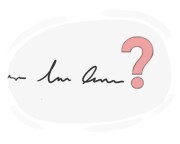
question mark
question mark
[Kata benda]

the mark ? used at the end of a sentence to show that it is a question

tanda tanya

tanda tanya

Ex: She added a question mark at the end of her email to clarify that she was seeking an answer. 

Dia menambahkan tanda tanya di akhir emailnya untuk memperjelas bahwa dia mencari jawaban.

Tutup
Masuk
comma
comma
[Kata benda]

the mark , used to separate items in a list or indicate a pause in a sentence

koma, tanda baca

koma, tanda baca

Ex: The comma in the address helped avoid confusion when sending the letter. 

Koma dalam alamat membantu menghindari kebingungan saat mengirim surat.

Tutup
Masuk
to spell
to spell
[kata kerja]

to be the letters being put together in the correct order form a particular word

mengeja, menulis dengan benar

mengeja, menulis dengan benar

Ex: The letters "c-a-t" spell the word "cat." 

Huruf "c-a-t" mengeja kata "kucing".

Tutup
Masuk
double negative
double negative
[Kata benda]

a grammatical construction in which two negative elements are used within the same sentence, often resulting in a positive meaning

negatif ganda, ganda negatif

negatif ganda, ganda negatif

Ex: The sentence "We haven't seen no one" uses a double negative, implying that they have seen someone. 

Kalimat "Kami belum melihat siapa pun" menggunakan negatif ganda, yang menyiratkan bahwa mereka telah melihat seseorang.

Tutup
Masuk
LanGeek
Unduh aplikasi LanGeek
