
Listă de Cuvinte Nivel B2 - Gramatică
Aici veți învăța câteva cuvinte în engleză despre gramatică, cum ar fi "plural", "prepoziție", "prefix" etc., pregătite pentru elevii de nivel B2.
Revizuire
Fișe de studiu
Ortografie
Chestionar

the shortened form of a word, etc.

abreviere, prescurtare
În scrierea formală, este important să scrieți termenul în întregime înainte de a folosi abrevierea sa.

(grammar) any type of determiner that shows whether we are referring to a particular thing or a general example of something
articol

a verb that is used with other verbs to indicate tense, voice, etc., such as do, have, and be
verb auxiliar
Profesorul a explicat că verbele auxiliare precum 'a avea' și 'a voi' ajută la formarea diferitelor timpuri și aspecte.

a word or expression that connects words, phrases, or clauses
conjuncție

(grammar) a word that comes before a noun or pronoun to indicate location, direction, time, manner, or the relationship between two objects
prepoziție, cuvânt de relație
El a folosit o listă de prepoziții comune pentru a ajuta la corectarea greșelilor sale gramaticale din eseu.

(grammar) the name of a place, person, country, etc. with its first letter capitalized
nume propriu, substantiv propriu
Nume propriu este un nume propriu pentru că denumește un oraș specific.

(grammar) a word that can replace a noun or noun phrase, such as she, it, they, etc.
pronume, un cuvânt care poate înlocui un substantiv sau o frază nominală
El a avut dificultăți în a alege pronumele potrivit atunci când se referea la persoane cu identități de gen non-binare.

(grammar) a letter or a set of letters that are added to the beginning of a word to alter its meaning and make a new word
prefix
În lecția de vocabular, s-au concentrat pe modul în care prefixele pot modifica semnificațiile cuvintelor de bază.

(grammar) a letter or a set of letters that are added to the end of a word to alter its meaning and make a new word
sufix, terminație
Înțelegerea modului în care sufixele modifică cuvintele este esențială pentru extinderea vocabularului și îmbunătățirea abilităților de scriere.

(grammar) describing a verb whose subject is the one that does the action
activ, activă
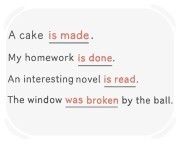
describing a grammatical form in which the subject receives or is affected by the action
pasiv, pasivă

relating to the form of an adjective or adverb that expresses a greater or lesser degree of a quality
comparativ, comparativă

(grammar) describing the highest amount or degree of an adjective or adverb
superlativ, superlativul
Când comparați trei sau mai multe elemente, utilizați forma superlativ pentru a indica capătul extrem al comparației.

(grammar) describing words that are indicating the presence of more than one person or thing
plural, plurali
În engleză, când adaugi un "s" la majoritatea substantivelor, le transformă în forma lor de plural.

(grammar) describing words that are indicating the presence of only one person or thing
singular
Cuvântul "măr" este la forma singulară, referindu-se la doar o bucată de fruct.

following the standard rules of the grammar properly
gramatical, conform regulilor standard ale gramaticii
Înțelegerea regulilor gramaticale este esențială pentru stăpânirea unei noi limbi.

(of verbs, nouns, or adjectives) not following standard patterns or rules
neregulat
Adjectivele neregulate în engleză, cum ar fi 'good' și 'better', necesită memorare mai degrabă decât urmarea unei reguli simple.

(grammar) a verb that is used with the main verb of a sentence to indicate possibility, intention, etc., such as can, might, should, etc.
verb modal, auxiliar modal
Înțelegerea modului de utilizare corectă a verbelor modale este crucială pentru formarea unor propoziții precise și nuanțate.

(grammar) describing a sentence, clause, etc. that will only be true or happen if something else is true or happens
condițional
Profesorul a explicat cum clauzele condiționale pot schimba sensul unei propoziții în funcție de diferite scenarii.

(grammar) indicating a completed action or state
perfect, terminat

a form of a verb that "ed", etc. is added to the end of it which is used to form passive or present tenses or adjectives
participiu trecut, participiu trecut al verbului
Pentru a folosi corect participiul trecut, trebuie să știi dacă verbul este regulat sau neregulat.

(grammar) describing a verb that indicates an action in progress
continuu
Timpul continuu ajută la clarificarea faptului că o acțiune este în curs, ca în 'Sunt în curs de a citi o carte'.

(grammar) describing a verb form or aspect that presents an action or situation as continuing
progresiv, continuu

a particular combination of words that are used together very often
colocație, combinație de cuvinte
În învățarea limbilor, înțelegerea colocațiilor ajută la utilizarea cuvintelor în cele mai naturale și comune combinații ale acestora.
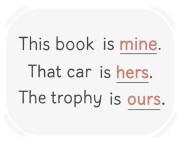
(grammar) describing nouns and pronouns that indicate ownership
posesiv
Înțelegerea formelor posesive este esențială pentru a arăta relații și proprietate în scris.
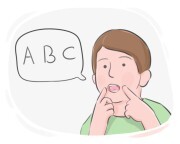
the way a word is pronounced
pronunție, articulare
Pronunția ei a cuvintelor franceze este impecabilă.

(phonetics) a speech sound produced by interfering with or stopping the flow of air through the mouth or nose
consoană, sunet consonantic
În alfabetul englez, există 21 consoane și 5 vocale.

(phonetics) a speech sound produced without interfering with the flow of air coming through the mouth or nose
vocală, sunet vocalic
El a exersat pronunția clară a fiecărei vocale pentru a-și îmbunătăți accentul.

(phonetics) an added force when pronouncing a syllable or word
accent, stress
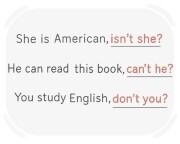
(grammar) a short question added to the end of a statement that is formed form the same statement
întrebare adăugată, întrebare de confirmare
Întrebările de confirmare pot ajuta la înmuierea unei afirmații, făcând-o să sune mai conversațională.

the use of marks such as a period, comma, etc. in writing to divide sentences and phrases to better convey meaning
punctuație
Ea și-a revizuit cu atenție eseul pentru a se asigura că toată punctuația a fost folosită corect.
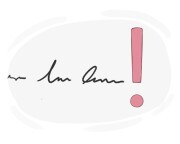
the mark ! used after a sentence to indicate excitement, surprise, etc.
semnul exclamării, punct de exclamare
În e-mailul său, a folosit un semn de exclamare pentru a transmite urgență.
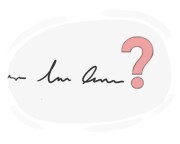
the mark ? used at the end of a sentence to show that it is a question
semnul întrebării
Profesorul a subliniat că propoziția avea nevoie de un semn de întrebare pentru a fi corectă gramatical.

the mark , used to separate items in a list or indicate a pause in a sentence
virgulă, semn de punctuație
Nu uitați să puneți o virgulă după fiecare element dintr-o listă pentru a asigura claritate.

to be the letters being put together in the correct order form a particular word
sillaba, scrie corect

a grammatical construction in which two negative elements are used within the same sentence, often resulting in a positive meaning
dublă negație, negație dublă
În gramatica standard, o dublă negație poate crea confuzie, deoarece adesea are ca rezultat un sens pozitiv.
