
B2 Level Wordlist - Grammar
Here you will learn some English words about grammar, such as "plural", "preposition", "prefix", etc. prepared for B2 learners.
Review
Flashcards
Spelling
Quiz

the shortened form of a word, etc.

(grammar) any type of determiner that shows whether we are referring to a particular thing or a general example of something

a verb that is used with other verbs to indicate tense, voice, etc., such as do, have, and be

(grammar) a word such as and, because, but, and or that connects phrases, sentences, or words

(grammar) a word that comes before a noun or pronoun to indicate location, direction, time, manner, or the relationship between two objects

(grammar) the name of a place, person, country, etc. with its first letter capitalized

(grammar) a word that can replace a noun or noun phrase, such as she, it, they, etc.

(grammar) a letter or a set of letters that are added to the beginning of a word to alter its meaning and make a new word

(grammar) a letter or a set of letters that are added to the end of a word to alter its meaning and make a new word

(grammar) describing a verb whose subject is the one that does the action
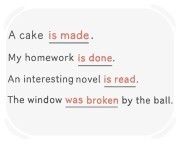
(grammar) describing a verb whose subject is affected by the action of the verb

(grammar) describing adverbs or adjectives that indicate a difference in degree, quality, size, etc.

(grammar) describing the highest amount or degree of an adjective or adverb

(grammar) describing words that are indicating the presence of more than one person or thing

(grammar) describing words that are indicating the presence of only one person or thing

following the standard rules of the grammar properly

(of verbs, nouns, or adjectives) not following standard patterns or rules

(grammar) a verb that is used with the main verb of a sentence to indicate possibility, intention, etc., such as can, might, should, etc.

(grammar) describing a sentence, clause, etc. that will only be true or happen if something else is true or happens

(grammar) indicating a completed action or state

a form of a verb that "ed", etc. is added to the end of it which is used to form passive or present tenses or adjectives

(grammar) describing a verb that indicates an action in progress

(grammar) describing a form of a verb that indicates an action is continuing

a particular combination of words that are used together very often
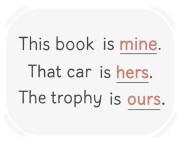
(grammar) describing nouns and pronouns that indicate ownership
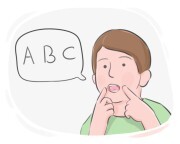

(phonetics) a speech sound produced by interfering with or stopping the flow of air through the mouth or nose

(phonetics) a speech sound produced without interfering with the flow of air coming through the mouth or nose

(phonetics) an added force when pronouncing a syllable or word
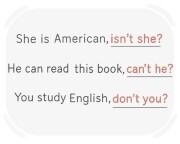
(grammar) a short question added to the end of a statement that is formed form the same statement

the use of marks such as a period, comma, etc. in writing to divide sentences and phrases to better convey meaning
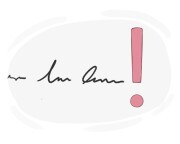
the mark ! used after a sentence to indicate excitement, surprise, etc.
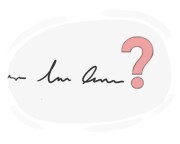
the mark ? used at the end of a sentence to show that it is a question
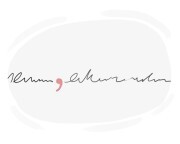
the mark , used to separate items in a list or indicate a pause in a sentence

to be the letters being put together in the correct order form a particular word

a grammatical construction in which two negative elements are used within the same sentence, often resulting in a positive meaning
