pattern

Vocabular pentru IELTS (Academic) - Physics

Aici veți învăța câteva cuvinte în engleză despre fizică, cum ar fi "sarcină", "radiație", "flexibil" etc., care sunt necesare pentru examenul IELTS.

Revizuire

Fișe de studiu

forme

Ortografie

Chestionar

Începe să înveți
Words for Academic IELTS
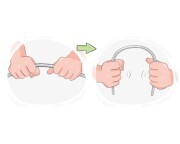
to bend
to bend
[verb]

to make something straight become curved or folded

îndoi, curba

îndoi, curba

Ex: She carefully bent the wire into a circle to make a decorative wreath. 
Închide
Conectare
block
block
[substantiv]

a large solid piece of material that is square or rectangular in shape and has flat sides

bloc, cub
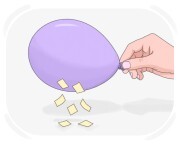
bloc, cub

Ex: The children built a tower using wooden blocks. 
Închide
Conectare
charge
charge
[substantiv]

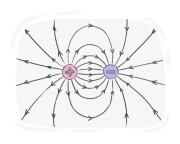
the physical property in matter that causes it to experience a force in an electromagnetic field

sarcină, sarcină electrică

sarcină, sarcină electrică

Ex: Electric charge is a fundamental property of matter that can be positive or negative. 
Închide
Conectare
force
force
[substantiv]

(physics) an effect that causes a body to move or change direction

forță

forță

Ex: Gravity is the force that keeps planets in orbit around the sun. 
Închide
Conectare
nuclear
nuclear
[adjectiv]

describing weapons that are powered by the energy produced either from nuclear fission or a combination of fusion and fission reactions

nuclear, atomic

nuclear, atomic

Ex: The country tested a new nuclear bomb that caused global concern. 
Închide
Conectare
physicist
physicist
[substantiv]

an individual who is trained in physics

fizician,  fiziciană

fizician, fiziciană

Închide
Conectare
wave
wave
[substantiv]

(physics) an oscillating movement by which energy is transferred without the transport of matter, such as light and sound

undă, vibrație
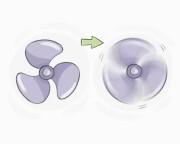
undă, vibrație

Ex: Light travels through space in the form of a wave. 
Închide
Conectare
to activate

to make something such as a process, piece of equipment, etc. start working

activa, pune în funcțiune

activa, pune în funcțiune

Ex: He activated the alarm system before leaving the house. 
Închide
Conectare
atom
atom
[substantiv]

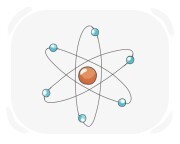
(science) the smallest part of a chemical element that is found in the nature

atom, particulă elementară

atom, particulă elementară

Ex: The atom is composed of a nucleus containing protons and neutrons, surrounded by electrons. 
Închide
Conectare
concrete
concrete
[adjectiv]

real and tangible, existing in physical form that can be sensed or experienced

concret, real

concret, real

Ex: The detective searched for concrete clues at the crime scene to solve the mystery. 
Închide
Conectare
flexible
flexible
[adjectiv]

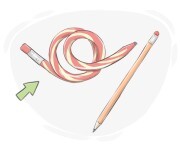
capable of bending easily without breaking

flexibil, maleabil

flexibil, maleabil

Ex: The flexible plastic tubing is used to transport liquids in laboratories and industries. 
Închide
Conectare
field
field
[substantiv]

(physics) the space or area within which the effect of a particular force exists

câmp, câmp de forță
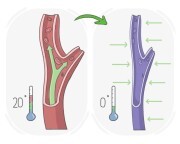
câmp, câmp de forță

Ex: The gravitational field of Earth pulls objects toward its center. 
Închide
Conectare
to contract

to become smaller, narrower, or tighter

a se contracta, a se îngusta
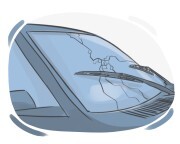
a se contracta, a se îngusta

Ex: When exposed to cold temperatures, blood vessels tend to contract. 
Închide
Conectare
to crack
to crack
[verb]

to break on the surface without falling into separate pieces

crăpa, fisura
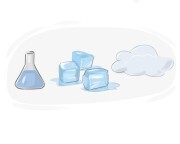
crăpa, fisura

Ex: The frozen lake began to crack as temperatures rose, creating patterns on the surface. 
Închide
Conectare
matter
matter
[substantiv]

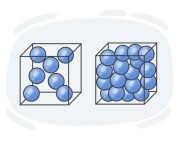
a physical substance that occupies space and exists in every material in the universe

materie, substanță

materie, substanță

Ex: All objects, whether solid, liquid, or gas, are made of matter. 
Închide
Conectare
pressure
pressure
[substantiv]

(physics) the amount of force exerted per area that is measured in pascal, newton per square meter, etc.

presiune, presiune fizică
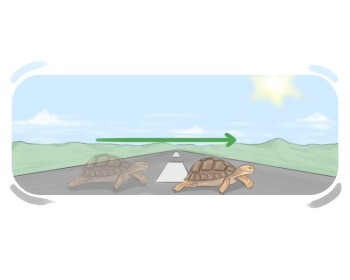
presiune, presiune fizică

Ex: The pressure inside the scuba tank reached 200 atmospheres. 
Închide
Conectare
motion
motion
[substantiv]

a natural process involving a change in position or orientation of an object

mișcare, deplasare
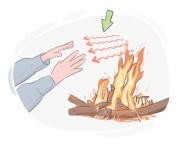
mișcare, deplasare

Ex: The planet's motion around the sun is elliptical. 
Închide
Conectare
radiation
radiation
[substantiv]

energy transmitted through space or matter in the form of waves or particles

radiație, iradiere

radiație, iradiere

Ex: The sun emits radiation that warms the Earth. 
Închide
Conectare
to react
to react
[verb]

(physics) to be subject to physical or chemical change

reacționa, interacționa

reacționa, interacționa

Ex: When sodium reacts with water, it produces sodium hydroxide and hydrogen gas as byproducts. 
Închide
Conectare
to accelerate

to increase the velocity of something

accelera, crește viteza
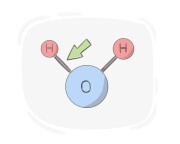
accelera, crește viteza

Ex: The physicist designed an experiment to study how magnetic fields can accelerate charged particles to high velocities. 
Închide
Conectare
to bond
to bond
[verb]

(chemistry) to merge or be merged by a chemical bond

a se lega, a se uni
a se lega, a se uni

Ex: In the reaction, hydrogen atoms bond with oxygen atoms to form water molecules. 
Închide
Conectare
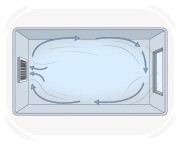
to circulate

to constantly move around a gas, air, or liquid inside a closed area

circula, face să circule

circula, face să circule

Ex: The fan helps circulate air throughout the room, keeping it cool and comfortable. 
Închide
Conectare
density
density
[substantiv]

(physics) the degree to which a substance is compacted, measured by dividing its mass by its volume

densitate, masă volumetrică

densitate, masă volumetrică

Ex: The density of water is approximately 1 gram per cubic centimeter (g/cm³). 
Închide
Conectare
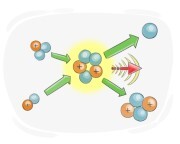
energy
energy
[substantiv]

(physics) a source of power that is required to do any work that may exist in potential, kinetic, thermal and other forms

energie, putere
energie, putere

Ex: The energy required to lift the box depends on its weight and the height it is lifted. 
Închide
Conectare
fusion
fusion
[substantiv]

(physics) a nuclear reaction by which the nuclei of atoms combine and form a heavier nucleus, producing nuclear energy

fuziune, fuziune nucleară

fuziune, fuziune nucleară

Ex: The sun's energy comes from hydrogen fusion into helium. 
Închide
Conectare
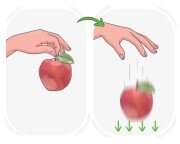
frequency
frequency
[substantiv]

the number of times an event recurs in a unit of time

frecvență, număr de ori
frecvență, număr de ori

Ex: The frequency of his visits to the gym increased over the summer. 
Închide
Conectare
gravity
gravity
[substantiv]

(physics) the universal force of attraction between any pair of objects with mass

gravitație

gravitație

Ex: Gravity is what keeps the planets in orbit around the Sun and the Moon in orbit around the Earth. 
Închide
Conectare
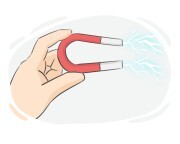
mass
mass
[substantiv]

(physics) the property of matter that gives it weight in a gravitational field and is a measure of its inertia

masă, cantitate de materie
masă, cantitate de materie

Ex: In physics, mass is a measure of the amount of matter in an object. 
Închide
Conectare
magnetic
magnetic
[adjectiv]

produced by or relating to magnetism

magnetic, atrăgător

magnetic, atrăgător

Ex: The magnetic field around the magnet attracts nearby metal objects. 
Închide
Conectare
to reinforce

to strengthen a substance or structure, particularly by adding extra material to it

consolida, întări

consolida, întări

Ex: The builder decided to reinforce the foundation of the house by adding additional support beams. 
Închide
Conectare
LanGeek
Descarcă aplicația LanGeek