
Vocabulary for IELTS (Academic) - Physics
Here you will learn some English words about physics, such as "charge", "radiation", "flexible", etc. that are needed for the IELTS exam.
Review
Flashcards
Forms
Spelling
Quiz

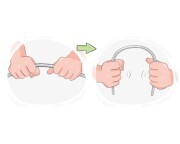
to make something straight become curved or folded

a large solid piece of material that is square or rectangular in shape and has flat sides
the physical property in matter that causes it to experience a force in an electromagnetic field
(physics) an effect that causes a body to move or change direction
describing weapons that are powered by the energy produced either from nuclear fission or a combination of fusion and fission reactions
(physics) an oscillating movement by which energy is transferred without the transport of matter, such as light and sound
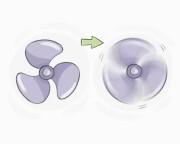
to make something such as a process, piece of equipment, etc. start working
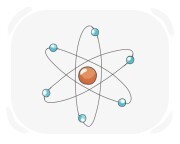
(science) the smallest part of a chemical element that is found in the nature
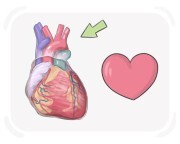
real and tangible, existing in physical form that can be sensed or experienced

capable of bending easily without breaking
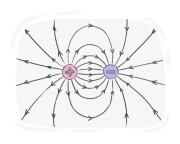
(physics) the space or area within which the effect of a particular force exists
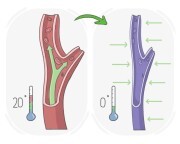
to become smaller, narrower, or tighter
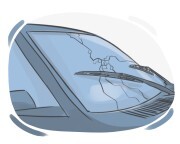
to break on the surface without falling into separate pieces
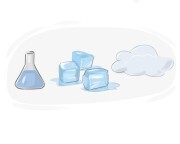
a physical substance that occupies space and exists in every material in the universe
(physics) the amount of force exerted per area that is measured in pascal, newton per square meter, etc.
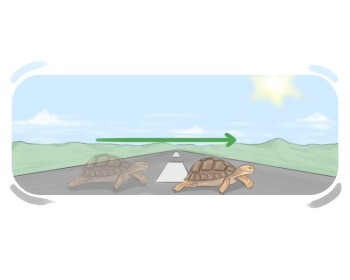
a natural process involving a change in position or orientation of an object
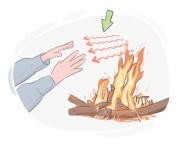
energy transmitted through space or matter in the form of waves or particles
(physics) to be subject to physical or chemical change
to increase the velocity of something
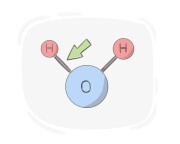
(chemistry) to merge or be merged by a chemical bond
to constantly move around a gas, air, or liquid inside a closed area
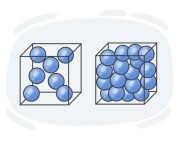
(physics) the degree to which a substance is compacted, measured by dividing its mass by its volume
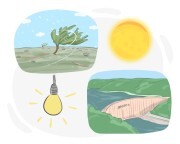
(physics) a source of power that is required to do any work that may exist in potential, kinetic, thermal and other forms
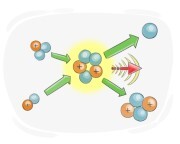
(physics) a nuclear reaction by which the nuclei of atoms combine and form a heavier nucleus, producing nuclear energy
the number of times an event recurs in a unit of time
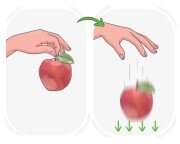
(physics) the universal force of attraction between any pair of objects with mass
(physics) the property of matter that gives it weight in a gravitational field and is a measure of its inertia
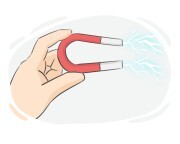
produced by or relating to magnetism
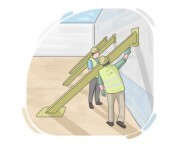
to strengthen a substance or structure, particularly by adding extra material to it
