pattern

Преступление и наказание - Тюремное заключение, изгнание и смертная казнь

Обзор

Флэш-карточки

формы

Правописание

Тест

Начать учиться
Words Related to Crime and Punishment
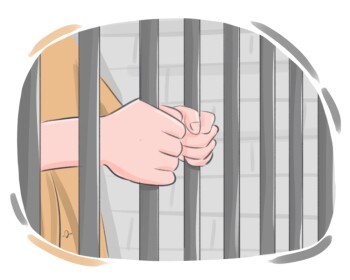
confinement
confinement
[существительное]

the action of keeping someone in a closed space, prison, etc., usually by force

заключение

заключение

Ex: She protested against the unfair confinement of political prisoners .

Она протестовала против несправедливого заключения политических заключенных.

Закрыть
Войти
custodial
custodial
[прилагательное]

relating to or involving imprisonment

тюремный

тюремный

Ex: She faced custodial consequences for her actions .

Она столкнулась с тюремными последствиями за свои действия.

Закрыть
Войти
hard labor
hard labor
[существительное]

a type of prison punishment that requires doing very hard physical work

каторжные работы, тюремный труд

каторжные работы, тюремный труд

Ex: The judge imposed ten years ' hard labor to deter future criminal activity .

Судья назначил десять лет каторжных работ, чтобы сдерживать будущую преступную деятельность.

Закрыть
Войти
to imprison
to imprison
[глагол]

to put someone in prison or keep them somewhere and not let them go

сажать в тюрьму

сажать в тюрьму

Ex: By the end of the day , the court will have hopefully imprisoned all suspects involved in the case .

К концу дня, надеемся, суд заключит под стражу всех подозреваемых, причастных к делу.

Закрыть
Войти
to incarcerate
to incarcerate
[глагол]

to confine someone in prison or a similar facility due to legal reasons or as a form of punishment

заключать в тюрьму

заключать в тюрьму

Ex: The judge may choose to incarcerate someone convicted of repeated offenses to protect the community .

Судья может выбрать заключить под стражу кого-то, осужденного за повторные правонарушения, чтобы защитить общество.

Закрыть
Войти
to jail
to jail
[глагол]

to put someone in a designated facility either as punishment or while waiting for legal proceedings

заключить в тюрьму, посадить в тюрьму

заключить в тюрьму, посадить в тюрьму

Ex: Right now , the legal system is jailing individuals for offenses against public safety .

В настоящее время правовая система заключает в тюрьму людей за преступления против общественной безопасности.

Закрыть
Войти
labor camp
labor camp
[существительное]

a prison where prisoners, often political, are forced to do hard work

лагерь принудительного труда, трудовой лагерь

лагерь принудительного труда, трудовой лагерь

Ex: Historical records describe harsh conditions in labor camps used for political repression .

Исторические записи описывают суровые условия в трудовых лагерях, используемых для политических репрессий.

Закрыть
Войти
life
life
[существительное]

a prison sentence that lasts for the prisoner's entire life

пожизненное заключение, пожизненный срок

пожизненное заключение, пожизненный срок

Ex: The judge imposed life imprisonment without the possibility of parole due to the severity of the crime.

Судья назначил пожизненное заключение без возможности условно-досрочного освобождения из-за тяжести преступления.

Закрыть
Войти
life sentence
life sentence
[существительное]

the punishment in which an individual is made to stay in jail for the rest of their life, typically for committing a serious crime

пожизненное заключение

пожизненное заключение

Ex: The notorious criminal was finally apprehended and given multiple life sentences for his violent crimes .

Печально известный преступник был наконец задержан и приговорен к нескольким пожизненным заключениям за свои жестокие преступления.

Закрыть
Войти
prison
prison
[существительное]

a building where people who did something illegal, such as stealing, murder, etc., are kept as a punishment

тюрьма

тюрьма

Ex: She wrote letters to her family from prison, expressing her love and longing for them .

Она писала письма своей семье из тюрьмы, выражая свою любовь и тоску по ним.

Закрыть
Войти
solitary confinement
[существительное]

the practice of isolating a prisoner in a small, often windowless cell, with minimal human contact or environmental stimulation, as a form of punishment or for security reasons

одиночное заключение

одиночное заключение

Ex: Some prison systems have implemented alternatives to solitary confinement, recognizing its potential negative effects on rehabilitation .

Некоторые тюремные системы внедрили альтернативы одиночному заключению, признавая его потенциально негативное влияние на реабилитацию.

Закрыть
Войти
term
term
[существительное]

a fixed period of time for something, such as a job, office, or prison sentence

срок, период

срок, период

Ex: The judge imposed a lengthy term of imprisonment for the serious offense.

Судья назначил длительный срок тюремного заключения за серьёзное преступление.

Закрыть
Войти
home confinement
home confinement
[существительное]

a punishment where a person must stay at home instead of going to prison, often under supervision

домашний арест, ограничение свободы с пребыванием дома

домашний арест, ограничение свободы с пребыванием дома

Ex: Authorities monitored the offender closely during home confinement to ensure compliance with legal restrictions .

Власти внимательно следили за правонарушителем во время домашнего заключения, чтобы обеспечить соблюдение правовых ограничений.

Закрыть
Войти
to lock away
to lock away
[глагол]

to put a person in a place where they can not escape from, such as a psychiatric hospital or prison

запереть

запереть

Ex: The parents struggled with the decision to lock away their troubled child for their own safety and well-being .

Родители боролись с решением запереть своего проблемного ребенка ради их собственной безопасности и благополучия.

Закрыть
Войти
to lock up
to lock up
[глагол]

to confine a person in a place, such as a prison, where they cannot escape without one's permission

запереть

запереть

Ex: The government locked political prisoners up without trial.

Правительство заперло политических заключенных без суда.

Закрыть
Войти
to banish
to banish
[глагол]

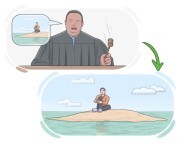
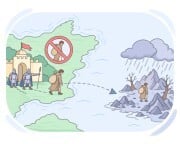
to force someone to leave a country, often as a form of punishment or to keep them away

изгонять, ссылать

изгонять, ссылать

Ex: The criminal was banished from the country as part of the punishment for their crimes .

Преступник был изгнан из страны в качестве наказания за свои преступления.

Закрыть
Войти
banishment
banishment
[существительное]

the act of forcing someone to leave a place or country as a punishment

изгнание, ссылка

изгнание, ссылка

Ex: The court considered banishment as an alternative to imprisonment for the offender .

Суд рассмотрел изгнание как альтернативу тюремному заключению для правонарушителя.

Закрыть
Войти
exile
exile
[существительное]

the situation of someone who is sent to live in another country or city by force, particularly as a penalty or for political reasons

изгнание, ссылка

изгнание, ссылка

Ex: Exile often imposes emotional and psychological challenges on individuals separated from their homeland and loved ones .

Изгнание часто накладывает эмоциональные и психологические трудности на людей, отделенных от своей родины и близких.

Закрыть
Войти
to extradite
to extradite
[глагол]

to send someone accused of a crime to the place where the crime happened or where they are wanted for legal matters

выдавать

выдавать

Ex: The judge ruled that they could not extradite the accused without proper evidence .

Судья постановил, что они не могут экстрадировать обвиняемого без надлежащих доказательств.

Закрыть
Войти
extradition
extradition
[существительное]

the legal process of sending a person accused or convicted of a crime from one country to another

экстрадиция

экстрадиция

Ex: Extradition can take months to complete .

Экстрадиция может занять месяцы для завершения.

Закрыть
Войти
restraining order
restraining order
[существительное]

a legal order that prevents someone from contacting or approaching another person

судебный запрет, ограничительный приказ

судебный запрет, ограничительный приказ

Ex: The judge extended the restraining order after reviewing evidence of repeated harassment .

Судья продлил судебный запрет после изучения доказательств повторных преследований.

Закрыть
Войти
capital
capital
[прилагательное]

relating to a crime that can be punished by death

смертный, караемый смертью
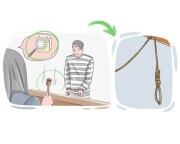
смертный, караемый смертью

Ex: Legal scholars debated the ethics of imposing a capital sentence for certain heinous crimes.

Юристы обсуждали этику назначения смертной казни за определенные тяжкие преступления.

Закрыть
Войти
to execute
to execute
[глагол]

to kill someone, especially as a legal penalty

казнить

казнить

Ex: International human rights organizations often condemn governments that execute individuals without fair trials or proper legal representation .

Международные организации по правам человека часто осуждают правительства, которые казнят людей без справедливого суда или надлежащего юридического представительства.

Закрыть
Войти
execution
execution
[существительное]

the act of punishing a criminal by death

казнь

казнь

Ex: The execution of political prisoners drew international condemnation from human rights organizations .

Казнь политических заключенных вызвала международное осуждение со стороны правозащитных организаций.

Закрыть
Войти
capital punishment
capital punishment
[существительное]

the killing of a criminal as punishment

смертная казнь

смертная казнь

Ex: Capital punishment is reserved for crimes deemed most severe under the law , such as murder .

Смертная казнь предназначена для преступлений, считающихся наиболее тяжкими по закону, таких как убийство.

Закрыть
Войти
death sentence
death sentence
[существительное]

a legal punishment in which a person is executed for a serious crime

смертный приговор, приговор к смертной казни

смертный приговор, приговор к смертной казни

Ex: Human rights groups criticized the use of the death sentence as a violation of fundamental rights .

Правозащитные группы раскритиковали использование смертной казни как нарушение основных прав.

Закрыть
Войти
to hang
to hang
[глагол]

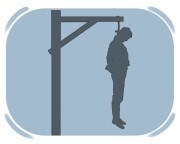
to kill a person by holding them in the air with a rope tied around their neck

вешать, казнить через повешение

вешать, казнить через повешение

Ex: She could n't bear to watch the news report about the government 's decision to hang someone convicted of political dissent .

Она не могла смотреть репортаж о решении правительства повесить кого-то, осуждённого за политическое инакомыслие.

Закрыть
Войти
hanging
hanging
[существительное]

a method of execution where a person is killed by being suspended by the neck until dead

повешение, казнь через повешение

повешение, казнь через повешение

Ex: Historical records show that hanging was once the most common method of capital punishment.

Исторические записи показывают, что повешение когда-то было самым распространенным методом смертной казни.

Закрыть
Войти
LanGeek
Скачать приложение LanGeek