
Литература - Стилистический приём
Здесь вы узнаете некоторые английские слова, связанные со стилистическими приемами, такими как "аллегория", "метафора" и "парадокс".
Обзор
Флэш-карточки
Правописание
Тест

a figure of speech in which the speaker addresses a person, abstract idea, object, or thing that is not present or cannot respond as if it could respond

апострофа, фигура речи
a literary term used to describe a character's name that suggests or implies something about their personality, behavior, or role in the story
характоним, говорящее имя
something that represents an idea, quality, or concept beyond its literal meaning
символ, эмблема
a specific story, artwork, or performance that embodies symbolic representation of deeper truths
иносказание
Путешествие Пилигрима — это классическая аллегория, изображающая путешествие души к спасению.
the use of the same letter or sound at the beginning of the words in a verse or sentence, used as a literary device
аллитерация
Поэт использовал аллитерацию, чтобы создать мелодичный эффект в стихе.
a statement that implies or indirectly mentions something or someone else, especially as a literary device
аллюзия
Её комментарий о "встрече с её Ватерлоо" был намёком на окончательное поражение Наполеона, подразумевая, что она столкнулась с непреодолимым вызовом.
a rhetorical device in which the writer repeats a word or phrase while adding more detail to it, in order to emphasize or clarify the meaning of the original statement
амплификация
a rhetorical device in which a word or phrase at the end of one clause or sentence is repeated at the beginning of the next clause or sentence
анадиплозис, связующее повторение
a clever or amusing use of words that takes advantage of the multiple meanings or interpretations that it has
каламбур
Она сделала умную игру слов во время встречи, которая заставила всех смеяться.
a rhetorical device in which a word is repeated, but with a different meaning each time
антанакласис, повторение с разным значением
a rhetorical device that places contrasting ideas or words in parallel structure to highlight their opposition and create a sense of balance
антитеза
«To be, or not to be» Шекспира строится на антитезе между существованием и несуществованием.
a rhetorical device that involves denying or dismissing something while actually acknowledging or emphasizing it
апофазис, риторический прием
a way of using words to create a special effect or meaning by going beyond their literal interpretation
фигура речи, оборот речи
a word or phrase that compares two things or people, highlighting the similarities, often introduced by 'like' or 'as'
сравнение
Поэт использовал сравнение, чтобы сравнить облака с сахарной ватой, рисуя яркую картину их пушистого, эфирного вида.
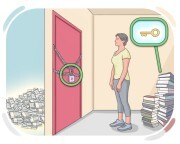
a figure of speech that compares two unrelated things to highlight their similarities and convey a deeper meaning
метафора
Он использовал метафору путешествия, чтобы описать процесс личностного роста.
a figure of speech in which a part of something represents the whole or vice versa
синекдоха
В литературе синекдоха — это фигура речи, в которой часть чего-либо используется для представления целого, или наоборот, например, называя автомобиль "колесами".
a figure of speech in which a name of something is used instead of another, the two of which are closely associated or one is an attribute of the other
метонимия
a literary device where human qualities or characteristics are attributed to non-human entities, objects, or ideas
персонификация
Олицетворение ветра в стихотворении делало его живым и беспокойным.
the figurative language in literature by which the audience can form vivid mental images
образность
a logically contradictory statement that might actually be true
парадокс
Это парадокс, что чем больше у нас вариантов, тем сложнее принять решение.
a subject, idea, or phrase that is repeatedly used in a literary work
мотив
Мотив "путешествия героя" является общей темой во многих эпических сказаниях, символизируя рост и трансформацию главного героя.
the use of similar vowels close to each other in nonrhyming syllables as a literary device
созвучие
Поэт использовал ассонанс, чтобы создать мелодический эффект в стихе.
a poetic technique involving repeated consonant sounds, especially at word endings
консонанс, согласная аллитерация
« Pitter-patter » — классический пример консонанса.
a word that mimics the sound it represents
звукоподражание
"Buzz", "hiss" и "moo" — это примеры ономатопеи, используемые для имитации естественных звуков.
a literary device that reveals a contrast between what appears to be true and what actually is true, often creating unexpected or surprising effects
ирония
a literary device in which the speaker says something but means the opposite, often for humorous or sarcastic effect
вербальная ирония, устная ирония
a literary device in which events or circumstances within a story are contrary to what one would expect, often leading to an unexpected outcome or twist
ситуационная ирония, ирония ситуации
a literary technique by which the audience is more aware of the significance of the words or actions of the story than characters are
драматическая ирония
a rhetorical device where a speaker or writer shows doubt or uncertainty about a topic to engage the audience or highlight an argument
апория, риторическое сомнение
a literary device where conjunctions are omitted between clauses or phrases in a sentence
асиндетон, бессоюзие
a literary device that involves the use of exaggeration to create a dramatic or emotional effect, often used to build tension or emphasize the importance of something
ауксетика
a literary device that uses a mixture of unpleasant, inharmonious, and harsh sounds to show disorder or chaos
какофония
В стихотворении поэт использовал какофонию, чтобы передать бурные эмоции главного героя, борющегося с внутренними потрясениями.
a rhetorical device that involves a series of phrases or clauses that are arranged in a descending order of importance or emphasis
катакосмезис, риторический прием
a rhetorical figure in which words, grammatical structures or concepts are repeated in a reverse order in successive phrases
хиазм
a writing technique that uses the repetition of a word or phrase at the beginning of successive clauses or sentences to create emphasis or persuade the audience
кондупликация, начальное повторение
mockery expressed through words or actions in a biting or sarcastic manner
насмешка
Фильм не был искренней данью уважения, а издевкой, высмеивающей замысел оригинала.
the repetition of a word or phrase with only a few words in between, usually to emphasize or create a dramatic effect
диакопа, повторение с интервалом
a rhetorical device in which an author or speaker ridicules or denounces an opponent's argument, typically by using sarcasm or irony
диасирм, уничижительная насмешка
a rhetorical device that involves making a conclusion based on an assumption that is not explicitly stated
энтимема, усечённый силлогизм
a rhetorical device in which a word or phrase at the beginning of a sentence or clause is repeated at the end of the same sentence or clause
эпаналепсис, симметричное повторение
a rhetorical technique that involves the repetition of a word or phrase at the end of successive clauses or sentences to create emphasis or reinforce a point
эпистрофа, конечный повтор
a figure of speech where a word or a phrase is repeated in quick succession for emphasis or intensity
эпизевксис, немедленное повторение
the use of words and expressions that are not meant to be taken literally, but rather to create a vivid, imaginative image or effect in the reader's mind
образный язык, фигуративный язык
the act of giving a clue of the future events to the audience in advance while narrating a story
предзнаменование
Жуткая музыка, звучащая на заднем плане, служила предзнаменованием для зловещих событий, которые вот-вот развернутся.
a technique used in speech and writing to exaggerate the extent of something
преувеличение
Его заявление о том, что он спал целый век, было гиперболой, чтобы выразить свою усталость.
a rhetorical device in which an author raises a question, and provides an answer right away
гипофора
a vague and allusive hint, especially a disapproving or suggestive one
инсинуация
a figure of speech that involves a self-correction or a revision of what has just been said, usually to strengthen or emphasize the speaker's argument or to make a point more clearly
метанойя, самокоррекция
a figure of speech that combines two contradictory or contrasting terms to create a unique expression
оксюморон
Фраза "горько-сладкая победа" является оксимороном, подчеркивающим смешанные эмоции от победы в тяжелой битве, доставшейся дорогой ценой.
(linguistics) the redundant use of words in a way that might be considered a fault of style, or to create an emphatic effect
плеоназм
a deliberate repetition of a conjunction in a phrase, used as a literary trope
полисиндетон
a rhetorical strategy in which the speaker or writer anticipates an objection or counterargument from the audience and addresses it before it can be raised
прокаталепсис, риторическое предвосхищение
agreement between the sound or the ending of a word and another word
рифма
« Кот » и « шляпа » — это идеальные рифмы, потому что они заканчиваются одним и тем же звуком.
a strong repeated pattern of musical notes or sounds
ритм
Она хлопала в ладоши в ритме музыки.
a figure of speech where a word is used in the same sentence with two or more other words, but with different meanings
силлепсис, фигура речи
a rhetorical device that involves the repetition of words or phrases at the beginning and end of successive clauses or sentences
симплока, симметричное повторение
a figure of speech in which the speaker deliberately makes a situation seem less important or serious than it actually is
эвфемизм, преуменьшение
the use of a word with two senses each of which apply to a different word in a sentence, as a figure of speech
зевгма
Умелое использование писателем зеугмы добавило слои остроумия в его роман, связывая разрозненные идеи одним глаголом.
a literary and rhetorical device that involves repeating words or phrases in successive clauses or sentences, but in reverse order
антиметабола, хиазм
