
Естественные Науки SAT - Умственные способности и сбои
Здесь вы узнаете некоторые английские слова, связанные с умственными способностями и неудачами, такие как "проницательный", "психика", "каприз" и т. д., которые вам понадобятся для сдачи SAT.
Обзор
Флэш-карточки
формы
Правописание
Тест
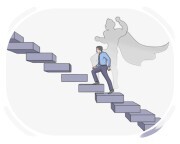
the will to obtain wealth, power, success, etc.

целеустремленность
Подпитываемая безграничной амбицией, молодая предпринимательница запустила свой технологический стартап, несмотря на переполненный рынок.

a sudden and impulsive decision or desire that someone has without much thought or reason behind it
прихоть
Когда её планы на вечер сорвались, она действовала по прихоти и вместо этого пошла одна в кино.
the ability to perform tasks effectively and efficiently, demonstrating both physical and intellectual readiness
компетенция
Его компетентность в решении финансовых вопросов обеспечила стабильность компании во время экономических спадов.
a sharp intelligence, able to understand things deeply and quickly
острота, проницательность
Его острота в математике помогла ему быстро решать проблемы.
the willingness to take action and start new things without being prompted or directed
инициативность
Её инициатива в организации мероприятия впечатлила всех.
the tendency or habit of exercising caution and foresight to prevent problems
предосторожность, предусмотрительность
Её предосторожность спасла команду от потенциальных ошибок.
the immaterial or nonphysical aspect of a person
душа, психика
Многие культуры верят, что психика переживает смерть.
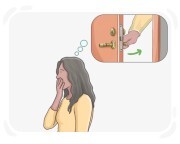
to bring back something from the memory
припоминать
Она могла вспомнить детали разговора с замечательной ясностью.
to bring to mind past memories or experiences
вспоминать
Мемуары автора помогли читателям вспомнить исторические события той эпохи.
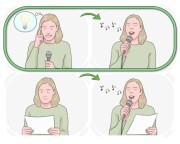
to create and perform words of a play, music, etc. on impulse and without preparation, particularly because one is forced to do so
импровизировать
Когда актёр забыл свои реплики, ему пришлось импровизировать, чтобы продолжить сцену.
to warn someone to be cautious of a dangerous person or thing
остерегаться
Остерегайтесь обледенелых условий на дорогах; езжайте осторожно.
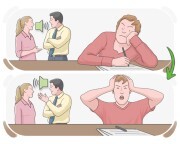
to cause someone to lose their focus or attention from something they were doing or thinking about
отвлекать
Во время важного совещания постоянное постукивание ручки начало отвлекать всех в комнате.
to make someone acquainted with something
ознакомить, приучать
Гид ознакомил туристов с историей древнего памятника.

to predict or say in advance what will happen in the future
предсказывать
Она сказала, что её бабушка обладала способностью предсказывать, когда кто-то собирался навестить.
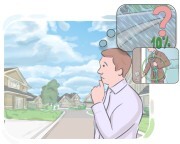
to know or predict something before it happens
предвидеть
Несмотря на все их планирование, они не предвидели отключение электроэнергии во время мероприятия.
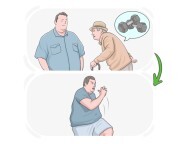
to be attentive to advice or a warning
принимать во внимание
Важно прислушиваться к советам опытных туристов при походе по незнакомой местности.
easily influenced or affected by others or external factors, especially due to a lack of experience or critical judgment
впечатлительный
Маленькие дети часто впечатлительны, впитывая идеи и поведение из своего окружения.
resistant to being affected or damaged by something
непроницаемый
Его толстая кожа казалась непроницаемой для критики.
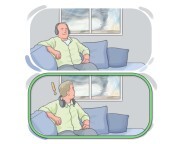
having knowledge or awareness about something
осознающий
Она осознавала важность пунктуальности в своей профессии.

having a clever and practical ability to make wise and effective decisions
проницательный
Обладая проницательным пониманием бизнеса, она принимала мудрые инвестиционные решения.

possessing practical knowledge, expertise, or understanding in a particular domain
опытный, знающий
Она опытный инвестор, всегда знающий, когда покупать и продавать акции для максимальной прибыли.
having keen, farsighted judgment and the ability to discern deeply and wisely
хитроумный
Мудрый лидер быстро определил корень проблемы и внедрил эффективные решения.

having or showing good judgement, especially in business or politics
проницательный
Проницательный бизнесмен знал, когда инвестировать, а когда воздержаться, обеспечивая устойчивый рост своей компании.
possessing the ability to experience, feel, or perceive things through the senses
чувствующий
Робот был разработан, чтобы имитировать человеческое поведение, но не был по-настоящему разумным.
aware of and responsive to one's surroundings
сознательный
После падения она была полностью в сознании и могла говорить.
(of a person) able to quickly and accurately understand or notice things due to keen awareness and insight
проницательный
Она очень проницательна и замечает детали, которые другие упускают.

displaying or having creativity or originality
образный
Творческая игра детей превратила гостиную в волшебное королевство.
sharp judgment and quick decision-making, especially in practical or professional matters
проницательность
Её деловая проницательность помогла компании быстро расти.
the quality of being alert and paying close attention to things
внимательность, бдительность
Её внимательность на занятиях принесла ей высокие оценки на экзаменах.
the state or quality of being watchful and attentive, especially to detect potential danger or problems
бдительность, внимательность
Бдительность охранника предотвратила несанкционированный доступ в здание.

a conclusion one reaches from the existing evidence or known facts
заключение
Новаторское открытие ученого было результатом тщательных наблюдений и логических умозаключений.
the process of using general rules or ideas to make a specific conclusion
дедукция
Детектив использовал логическое умозаключение, чтобы определить виновника из доступных улик.
the quality of performing tasks or activities with ease and without difficulty
легкость, умение
Она играла на пианино с такой легкостью, что это казалось effortless.
a natural reaction or behavior that occurs automatically, without conscious thought or reasoning
инстинкт
Птица-мать следовала своему инстинкту, чтобы построить гнездо и защитить свои яйца.
the ability to understand or know something immediately, without conscious reasoning or evidence
интуиция
У неё была интуиция, что план увенчается успехом.
an exceptional mental ability or talent that is unique and outstanding
гений, исключительный талант
Гений Эйнштейна изменил то, как мы понимаем физику.
the part of the mind that is not currently in focused awareness, but still influences thoughts, feelings, and behavior, often through automatic or involuntary processes
подсознание
Его подсознание постоянно возвращало воспоминания, которые он забыл.
a strong drive or determination to succeed or achieve excellence
стремление
Её стремление подтолкнуло её к завершению марафона.
the quality of making decisions or taking actions without considering potential risks or consequences
неосторожность
Его неблагоразумие в трате денег быстро привело к финансовым проблемам.
the quality of behaving in a foolish or reckless manner, often without considering the consequences
глупость, безрассудство
Было безумием вкладывать все свои сбережения в рискованное предприятие.
a mental state characterized by a fragile consciousness and reduced ability for voluntary action, often resembling a deep sleep
транс, состояние транса
После часов интенсивной концентрации она погрузилась в трансовое состояние глубокой сосредоточенности.
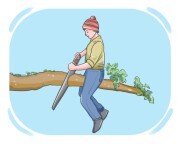
the fact or state of not having the necessary information, knowledge, or understanding of something
незнание
Его невежество в этом вопросе было очевидным, когда он давал неправильные ответы во время обсуждения.
(psychology) a mental condition in which a person has a false belief system that is contradicted by evidence
бред
a state of extreme mental confusion, often accompanied by confused or unclear thoughts or speech
бред
a state of severe mental disorder affecting a person's ability to understand reality, think rationally, or behave in a socially acceptable manner
безумие, психическое расстройство
Юридическая защита по причине недееспособности предназначена для тех, кто не может предстать перед судом из-за психических проблем.
the lack of intellectual or mental power to do something
неспособность
Когнитивное снижение пациента привело к неспособности управлять своими финансовыми делами и принимать обоснованные финансовые решения.
a perceptual experience in which an individual perceives something that is not present in the external environment
галлюцинация, иллюзия
Слуховые галлюцинации могут включать в себя слышание голосов или звуков, которые другие не воспринимают.
a false idea or belief based on invalid arguments, often one that many people think is true
заблуждение
Убеждение, что все члены определенной этнической группы повсеместно ненадежны, является заблуждением, основанным на стереотипах, и может привести к дискриминации и предрассудкам.
a mistaken or inaccurate belief or understanding about something
заблуждение, неправильное представление
Существует распространенное заблуждение, что все змеи ядовиты.
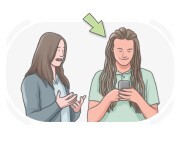
to pay little or no attention to something or someone, often leading to issues or problems
пренебрегать, игнорировать
Компания столкнулась с трудностями из-за пренебрежения отзывами и опасениями клиентов.
to intentionally ignore or act without concern for something or someone that deserves consideration
игнорировать
Босс проигнорировал правила безопасности и подверг рабочих риску.
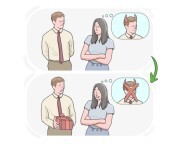
to understand or explain something incorrectly
неверно истолковывать
Она неправильно истолковала его слова и подумала, что он расстроен, хотя это было не так.
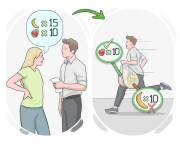
to not notice or see something
игнорировать
В своей спешке она может упустить важные детали в документе.
lacking conscious awareness of something
не обращающий внимания
Несмотря на громкий шум, ребенок оставался неосведомленным, мирно спя в своей кроватке.
incapable of behaving normally or thinking clearly due to mental illness
душевнобольной
Его ненормальное поведение встревожило всех на вечеринке.
not noticing or caring about something
невосприимчивый, равнодушный
Несмотря на шум, он остался равнодушным к суете снаружи.
lacking experience, wisdom, or understanding about the world, often resulting in being overly trusting or easily deceived
наивный, простодушный
Наивный подход к разработке программного обеспечения привел к значительным ошибкам в программе.
| Естественные Науки SAT | |||
|---|---|---|---|
| Физические Характеристики | Внешний вид и Текстура | Звук и Размер | Естественный Мир |
| Земля и Вода | Движение | Человеческое Движение | Размещение |
| Ограничение | Умственные способности и сбои | Видение и Точность | |
