
书籍 Total English - 中高级 - 第七单元 - 词汇
在这里,您将找到Total English Upper-Intermediate课本第7单元 - 词汇中的单词,例如“骄傲”、“过度疲劳”、“再培训”等。
审查
闪卡
词形
拼写
测验
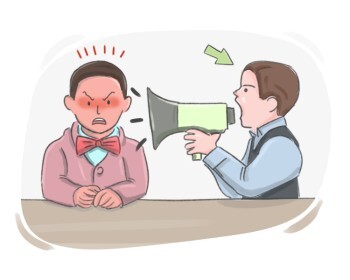
causing slight anger

烦人的, 恼人的
会议中不断用脚轻敲的烦人习惯分散了所有人的注意力。

feeling satisfied with someone or one's possessions, achievements, etc.
骄傲的, 自豪的
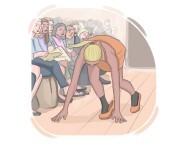
causing a person to feel ashamed or uneasy
尴尬的, 令人难堪的
被抓住说谎可能会导致尴尬的情况。
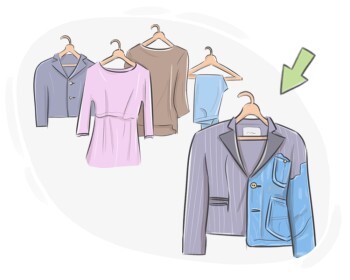
not commonly happening or done
不寻常, 罕见
今年春天我们遇到了异常多的降雨。

feeling embarrassed, anxious, or uneasy because of a situation or circumstance
不舒服, 尴尬
他避免眼神接触,因为他在讨论个人生活时感到不自在。
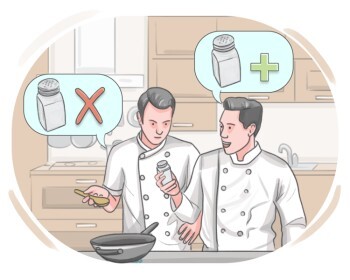
not needed at all or more than what is required
不必要的, 多余的
在食谱中添加额外的糖会是不必要的,因为它已经足够甜了。

used to form words that relate to concepts or entities that are singular or alone
单-, 独-
尽管在国外生活了多年,他仍然保持单语。

boring because of being the same thing all the time
单调的, 重复的
讲师单调的声音让许多学生在漫长的讲座中睡着了。
a speech spoken to oneself, often as a way of expressing thoughts or emotions aloud
独白, 自言自语
她的独白反映了她的内心挣扎。
a person who speaks or is fluent in only one language
单语者, 只会说一种语言的人
他是单语者,只会流利地说英语。
used to indicate something additional or beyond the usual
额外-
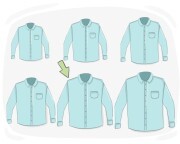
(of a size) larger than large, often used for clothing, packaging, or other items
特大号, 超大
衬衫太紧了,所以他把它换成了特大号。

clothing or garments that are designed for individuals who require sizes beyond the standard range, typically larger or smaller than the average sizes available
非常小, 超小
他们为孩子点了一份extra small的份量。
used to signify more than what is needed or considered appropriate
过, 超

to wake up later than one intended to
睡过头, 睡得太久
如果有人睡过头,他们可能会错过一个重要的会议或约会。

to exhaust someone excessively beyond normal limits
使过度疲劳, 使超出正常限度的疲劳
高强度的锻炼让他过度疲劳。

to work too much, often to the point of exhaustion or burnout
过度工作, 工作到筋疲力尽
公司的文化鼓励员工过度工作,导致高压力水平。
used to indicate a position lower than or beneath something else
下, 亚
水管工检查了地板下的管道是否有泄漏。
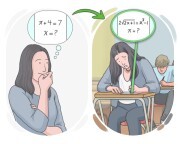
to regard something or someone as smaller or less important than they really are
低估, 轻视
球队的对手犯了低估他们技能和决心的错误,导致了令人惊讶的胜利。
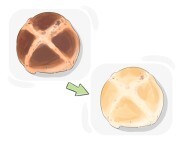
to cook food for less time than necessary
未煮熟, 烹饪时间不足
她匆忙中煮得不够熟意大利面。
to pay someone less than what is fair or reasonable for their work or services
少付, 支付不足
许多工人觉得他们的辛勤工作报酬过低。
used to indicate that something is done again or returned to an earlier state or position
重新

to teach someone new skills or knowledge for improvement in the current job, or to enable them to work in a different field
再培训, 重新训练
政府资助了项目,以重新培训煤矿工人掌握可再生能源技术,支持向清洁能源过渡。
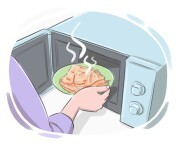
to warm previously cooked food
重新加热, 再热
他用微波炉重新加热了披萨片。
to write something differently, often in order to improve it
重写, 改写
作者重写了小说的结尾,以给它一个更快乐的结局。
used to indicate the presence of two of something, or that something has two parts or aspects
双-
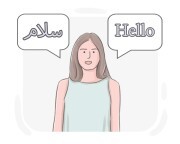
able to speak, understand, or use two languages fluently
双语的
双语能力可以给个人带来各种认知和文化上的好处。
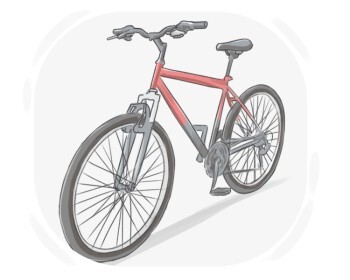
a vehicle with two wheels that we ride by pushing its pedals with our feet
自行车, 脚踏车
taking place twice a year
半年一次的, 一年两次的
她期待着一年两次的家庭聚会,这总是一个欢乐的时刻。
used to denote a multitude or variety of something
多, 多种
她是多语言的,能流利地说五种语言。
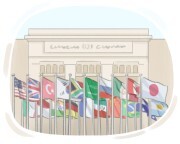
involving or relating to multiple countries or nationalities
跨国的, 多国的
多国条约旨在促进参与国之间的合作。

the application of images, text, audio, and video files collectively
多媒体, 多种媒体
designed or intended for multiple uses or functions
多用途, 多功能
她更喜欢多功能家具以节省空间。
used to describe a person or thing that was previously in a particular position or relationship but is not anymore
前-, 前任的
我的前室友上个月搬出去了,所以现在公寓归我一个人了。

a woman who was previously in a romantic relationship with someone but is no longer together with them
前女友, 前任女友
他在一个社交活动上把他的新女友介绍给了他的前女友,他们相处得出奇地好。

a man who was previously married to someone but is no longer married to them
前夫, 前配偶
她的前夫在离婚后搬到了另一个城市。
