
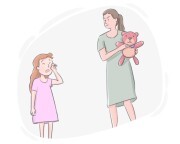
to prevent someone from having or enjoying something, especially something necessary or desirable
剥夺, 使丧失
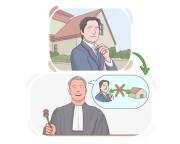
to take away someone's ownership of a property
剥夺, 征用
政府剥夺了地主的土地,以便为一条新的高速公路让路。
to take away someone's possessions or assets
剥夺, 夺取
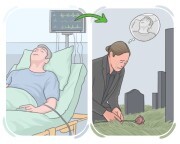
to deprive someone of a loved one through death
剥夺, 夺去
战争悲剧性地夺走了许多家庭的亲人。
to take away someone's possession, right, authority, etc.
剥夺, 夺走
政治变化可能会剥夺个人先前被授予的某些权利。
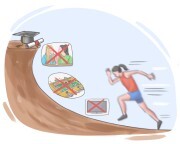
to restrain oneself from having something
克制自己, 拒绝自己

to deprive someone of something valuable, deserved, or desired
剥夺, 抢劫
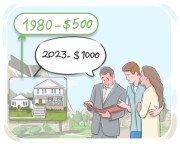
to take something from someone, especially by stealing it
偷走, 扒窃

to choose not to give or share something
保留, 隐瞒
老师决定在抄袭调查完成之前扣留考试成绩。
to take possession of someone's property, typically through legal means or governmental authority
征用, 没收
在战争时期,当局可能会出于军事目的征用房屋。
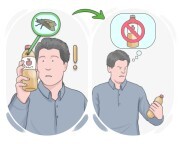
to refuse to buy, use, or participate in something as a way to show disapproval or to try to bring about a change
抵制, 参与抵制
工人们决定抵制公司,直到实施公平工资。
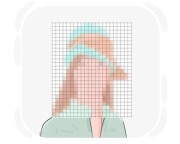
to remove parts of something such as a book, movie, etc. and prevent the public from accessing them for political, moral, or religious purposes
审查, 删除
政府决定因其敏感内容而审查这部电影。
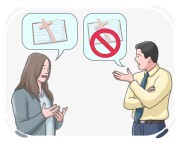
to impose a restriction or official ban on the release, publication, or distribution of certain information, news, or materials
实施禁运, 禁止
为了国家安全的利益,政府选择禁运军事行动的细节,直到另行通知。

to put a person, company, or entity on a list that prohibits or restricts their access, participation, or involvement in certain activities
列入黑名单, 拉黑
丑闻发生后,这位名人被各大电影制作公司列入黑名单。
