
Advanced Vocabulary for TOEFL - Religion
Here you will learn some English words about religion, such as "cleric", "pastor", "sufi", etc. that are needed for the TOEFL exam.
Review
Flashcards
Spelling
Quiz


the study of religions and faiths

the quality of relating to the human spirit or religious matters rather than material things
a religious group with beliefs or practices, especially extreme or unusual ones, that separate them from the rest of the people with the religion
a member of the clergy or a religious leader, often in charge of religious duties
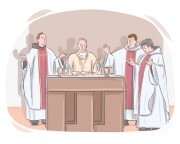
people who are officially chosen to lead religious services in a church or other religious institution
a religious leader or teacher in Buddhism, Hinduism, or Sikhism
a priest or priestess serving as a mediator through whom the gods were thought to give their message in classical antiquity
a religious teacher, scholar, or leader of Judaism

a place of worship and religious study for Jews
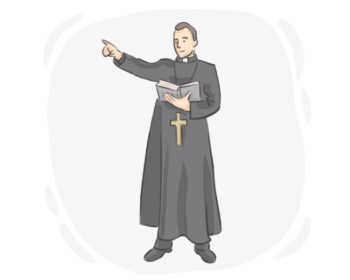
a priest or minister who is in charge of a church
someone with beliefs against the doctrines of a particular religion
someone who is sent to a foreign country to teach and talk about religion, particularly to persuade others to become a member of the Christian Church
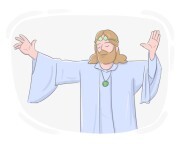
a person believing in a religion that worships many deities, especially one that existed before the major world religions
a member of the Christian clergy who serves as a spiritual leader
a member of an Islamic sect that tries to become united with God through prayer, meditation, and living a simple and strict life
a person who delivers religious messages or sermons to a congregation
a short moral lecture, offering advice on behavior
a person in some religions and cultures believed to be capable of contacting good and evil spirits and curing people of illnesses, especially in some cultures in northern Asia and North America
a person belonging to an English religious group of the 16th and 17th centuries who wanted church rituals made simpler and who believed it was important to work hard and control oneself, while pleasure was unnecessary or even wrong
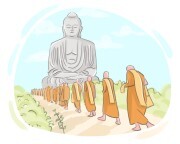
a religious person who travels to a sacred place for a holy cause
(in Judaism) divinely sent king who will save the Jewish people
a person who lives a very simple life in solitude as a religious practice
someone who is killed because of their beliefs

any of the four books of the New Testament that is about the life and teachings of Jesus Christ
any one of the twelve disciples of Jesus
any of the letters in the New Testament, written by the apostles
someone who believes it is impossible to know whether God exists or not
someone who does not believe in the existence of God or gods
a school of Mahayana Buddhism, originally formed in Japan, emphasizing the value of meditation and intuition rather than reading religious scripts or ritual worship
a religious cult involving witchcraft and the worship of spirits, especially common in parts of the Caribbean
(in Christianity) the concept of God as Father, Son, and Holy Spirit
(Christian theology) the deliverance from sin and its consequences, believed to be brought about by faith in Christ
the return to life of Christ on the third day after his death on the cross, according to the New Testament
the act of disrespectfully treating a sacred item or place
a mass at which people honor and pray for the soul of a dead person, especially in the Roman Catholic Church
the belief that after someone’s death, their spirit comes back to life in the form of a new body, especially in Buddhism and Hinduism
