pattern

Advanced Vocabulary for the GRE - Government as a Necessary Evil

Here you will learn some English words about power and politics, such as "anoint", "cede", "fortify", etc. that are needed for the GRE exam.

Review

Flashcards

Forms

Spelling

Quiz

Start learning
Advanced Words Needed for the GRE
to abdicate

(of a monarch or ruler) to step down from a position of power

Ex: The king chose to abdicate the throne in favor of his successor. 
Close
Sign in
to anoint
to anoint
[Verb]

to choose whom an important position or job will be given to, generally done by a person of power

Ex: The board decided to anoint her as the new CEO after months of deliberation. 
Close
Sign in
to arrogate

to take control of something without any legal basis

Ex: The new manager tried to arrogate authority beyond her official role, upsetting the team. 
Close
Sign in
to capitulate

to surrender after negotiation or when facing overwhelming pressure

Ex: The army finally capitulated after weeks of intense fighting. 
Close
Sign in
to cede
to cede
[Verb]

to hand over power, land, or a position to another, particularly due to being forced

Ex: The king was pressured to cede his crown in exchange for his family's safety. 
Close
Sign in
to concede

to grant something such as control, a privilege, or right, often reluctantly

Ex: After a long negotiation, the company finally conceded control of the project to the new partner. 
Close
Sign in
to defenestrate

to force a person of authority or power to step down from their position

Ex: The political upheaval led the faction to defenestrate the corrupt leader and install a new government. 
Close
Sign in
to dismiss

to remove someone from their job or position, typically due to poor performance

Ex: The company decided to dismiss several employees due to budget constraints. 
Close
Sign in
to gerrymander

to divide voting districts in a way that would advantage a particular group or party more

Ex: Politicians often gerrymander districts to ensure their party's dominance in elections. 
Close
Sign in
to kowtow
to kowtow
[Verb]

to attempt at pleasing an authority by excessively flattering and obeying them

Ex: Some employees kowtow to the CEO, hoping to gain favor or promotions. 
Close
Sign in
to machinate

to secretly make plans, particularly to gain an advantage
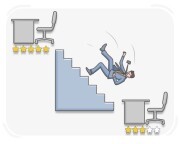
Ex: The rival factions often machinate behind the scenes to outmaneuver each other. 
Close
Sign in
to relegate

to appoint a person or thing to a lower status, position, or rank

Ex: After the poor performance, the manager decided to relegate the employee to a lower position. 
Close
Sign in
to rescind

to officially cancel a law, decision, agreement, etc.

Ex: The board is currently rescinding the previous decision due to new evidence. 
Close
Sign in
to sap
to sap
[Verb]

to gradually drain or deplete someone's power or strength

Ex: Constant stress can sap one's mental resilience. 
Close
Sign in
to spearhead

to be the person who leads something like an attack, campaign, movement, etc.
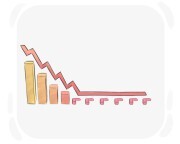
Ex: The general chose to spearhead the military offensive personally. 
Close
Sign in
to undermine

to gradually decrease the effectiveness, confidence, or power of something or someone

Ex: Skipping maintenance checks might undermine the long-term reliability of the equipment. 
Close
Sign in
artless
artless
[Adjective]

simple and free from cunning

Ex: Her artless charm won over even the harshest critics. 
Close
Sign in
autonomous
autonomous
[Adjective]

(of countries, organizations, regions, etc.) not governed by another force, and is in control of itself

Ex: The region was granted autonomous status, allowing it to make its own political and economic decisions. 
Close
Sign in
bellicose
bellicose
[Adjective]

displaying a willingness to start an argument, fight, or war

Ex: The bellicose behavior of the rival gangs led to frequent clashes in the neighborhood. 
Close
Sign in
compliant
compliant
[Adjective]

willingly obeying rules or doing what other people demand

Ex: The compliant student always completes assignments on time and follows classroom rules. 
Close
Sign in
magisterial
magisterial
[Adjective]

displaying a behavior befitting someone who is in a powerful and authoritative position

Ex: Her magisterial presence at the conference made it clear that she was an expert in her field. 
Close
Sign in
obsequious
obsequious
[Adjective]

excessively flattering and obeying a person, particularly in order to gain their approval or favor

Ex: She found his obsequious manner off-putting, as he always agreed with her, no matter what she said. 
Close
Sign in
partisan
partisan
[Adjective]

displaying support and favoritism toward a party or cause, usually without giving it much thought

Ex: The partisan media outlet only presents news that aligns with its political agenda. 
Close
Sign in
truculent
truculent
[Adjective]

ill-tempered and ready to start an argument or fight

Ex: His truculent attitude made it difficult for his teammates to work with him. 
Close
Sign in
artifice
artifice
[noun]

a clever action or behavior that is intended to trick and deceive others

Ex: It was later revealed that the company's reported financial figures were artifices meant to inflate stock values. 
Close
Sign in
calumny
calumny
[noun]

a false statement meant to misrepresent someone

Ex: The lawsuit was filed over a calumny printed in the newspaper. 
Close
Sign in
dissolution

the formal ending of a business agreement, marriage, parliament, organization, etc.

Ex: The dissolution of their partnership marked the end of a ten-year business relationship. 
Close
Sign in
graft
graft
[noun]

a morally or legally wrong act, usually bribery, done to gain an advantage or support

Ex: The politician was arrested for graft after accepting bribes in exchange for government contracts. 
Close
Sign in
jingoist
jingoist
[noun]

someone who very strongly believes that their country is far more superior than other countries

Ex: The jingoist politician's campaign was based on aggressive national pride and a promise to show military might. 
Close
Sign in
juggernaut

a force, movement, organization, etc. that is large, powerful, and uncontrollable

Ex: The tech company quickly became a juggernaut in the industry, dominating markets worldwide. 
Close
Sign in
junta
junta
[noun]

a government of politicians or military officers that forcefully obtained power

Ex: Protests erupted across the nation, demanding an end to the junta’s authoritarian rule. 
Close
Sign in
nabob
nabob
[noun]

an individual who possesses an extreme amount of wealth or a high social standing

Ex: The nabob’s mansion, with its sprawling gardens and opulent interiors, was the talk of the town. 
Close
Sign in
potentate
potentate
[noun]

someone who rules over people and possesses absolute control and power

Ex: The ancient empire was ruled by a potentate who had control over every aspect of daily life. 
Close
Sign in
quisling
quisling
[noun]

an individual who betrays their country by assisting the enemy occupying or controlling it

Ex: Historical accounts often highlight the role of quislings in aiding enemy regimes during times of war. 
Close
Sign in
coterminous
coterminous
[Adjective]

(of areas of land or of countries) having a border in common

Ex: The two neighboring countries were coterminous, sharing a long and often disputed border. 
Close
Sign in
buffer zone

a neutral area free of the conflict and danger that is between opposing powers

Ex: The peace agreement included creating a buffer zone around the disputed territory. 
Close
Sign in
recrimination

accusations made in retaliation for being accused

Ex: The meeting quickly devolved into a series of recriminations between the two departments. 
Close
Sign in
sycophant
sycophant
[noun]

an individual who excessively flatters someone of importance to gain a favor or advantage

Ex: The CEO’s office was filled with sycophants eager to win his favor with constant flattery. 
Close
Sign in
LanGeek
Download LanGeek app