
Vocabular Avansat pentru GRE - Guvernul ca un rău necesar
Aici vei învăța câteva cuvinte în engleză despre putere și politică, cum ar fi "a unge", "a ceda", "a fortifica", etc., care sunt necesare pentru examenul GRE.
Revizuire
Fișe de studiu
forme
Ortografie
Chestionar

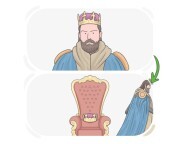
(of a monarch or ruler) to step down from a position of power

abdica, a renunța la tron
Regina Elisabeta a II-a nu a exprimat nicio intenție de a abdica în timpul domniei sale.

to choose whom an important position or job will be given to, generally done by a person of power
unge, desemna
Consiliul a decis să o instaleze în funcția de noul CEO după luni de deliberări.
to take control of something without any legal basis
a se aroga, a uzurpa
Noul manager a încercat să își arrogheze autoritate dincolo de rolul său oficial, supărând echipa.
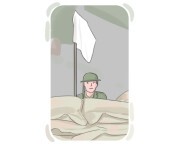
to surrender after negotiation or when facing overwhelming pressure
a capitula, a se preda
Armata a capitulat în cele din urmă după săptămâni de lupte intense.
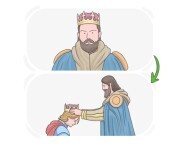
to hand over power, land, or a position to another, particularly due to being forced
ceda, preda
Regele a fost presat să cedeze coroana în schimbul siguranței familiei sale.
to allow someone to have a right, privilege, control, or possession, often unwillingly
cede, acorda
to force a person of authority or power to step down from their position
defenestra, destitui
Agitația politică a condus facțiunea să defenestreze liderul corupt și să instaleze un nou guvern.
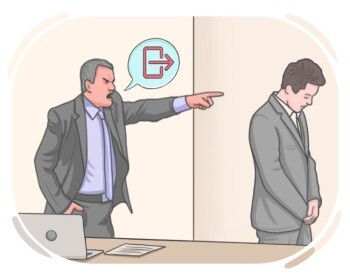
to remove someone from their job or position, typically due to poor performance
concedia, destitui
to divide voting districts in a way that would advantage a particular group or party more
manipula circumscripțiile electorale, împărți circumscripțiile electorale într-un mod avantajos
Politicienii manipulează adesea circumscripțiile electorale pentru a asigura dominația partidului lor în alegeri.
to attempt at pleasing an authority by excessively flattering and obeying them
a se închina, a flata excesiv
Unii angajați se umilesc în fața CEO-ului, sperând să câștige favoare sau promovări.
to secretly make plans, particularly to gain an advantage
unelti, complotă
Facțiunile rivale unelesc adesea în culise pentru a se depăși reciproc.
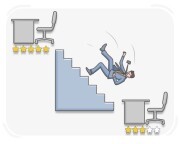
to appoint a person or thing to a lower status, position, or rank
retrograda, degradă
După performanța slabă, managerul a decis să retrogradeze angajatul într-o poziție inferioară.
to officially cancel a law, decision, agreement, etc.
anula, revoca
Consiliul revocă în prezent decizia anterioară datorită noilor dovezi.

to gradually drain or deplete someone's power or strength
epuiza, slăbi
Stresul constant poate submina reziliența mentală a unei persoane.
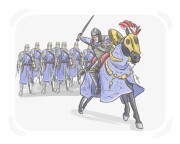
to be the person who leads something like an attack, campaign, movement, etc.
conduce, fi în fruntea
Generalul a ales să conducă personal ofensiva militară.
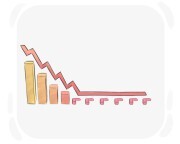
to gradually weaken someone's confidence, authority, effectiveness, or chances of success
submina, slăbi
simple and free from cunning
ingenuu, candid
Farmecul ei neartificios a câștigat chiar și pe cei mai severi critici.
(of countries, organizations, regions, etc.) not governed by another force, and is in control of itself
autonom, independent
Regiunii i s-a acordat statut autonom, permițându-i să ia propriile decizii politice și economice.
displaying a willingness to start an argument, fight, or war
belicos, războinic
Comportamentul belicos al bandelor rivale a dus la ciocniri frecvente în cartier.
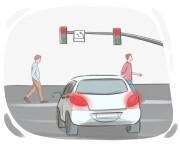
willingly obeying rules or doing what other people demand
conform, supus
Elevul conform întotdeauna își finalizează sarcinile la timp și respectă regulile clasei.
displaying a behavior befitting someone who is in a powerful and authoritative position
magistral, autoritar
Prezența ei majestuoasă la conferință a făcut clar că era un expert în domeniul său.
excessively flattering and obeying a person, particularly in order to gain their approval or favor
obsequios, servil
Ea i-a găsit modul servil respingător, deoarece el era întotdeauna de acord cu ea, indiferent ce spunea.
strongly favoring a particular party, cause, or group, often in a biased way
partizan, părtinitor
ill-tempered and ready to start an argument or fight
bătăios, agresiv
Atitudinea lui agresivă a făcut dificil pentru coechipierii săi să lucreze cu el.
a clever action or behavior that is intended to trick and deceive others
artificiu, înșelăciune
Mai târziu s-a descoperit că cifrele financiare raportate de companie erau artificii menite să umfle valorile acțiunilor.
a false statement meant to misrepresent someone
calomnie, defăimare
Procesul a fost intentat din cauza unei calomnii tipărite în ziar.
the formal ending of a business agreement, marriage, parliament, organization, etc.
desființare, terminare
Desființarea parteneriatului lor a marcat sfârșitul unei relații de afaceri de zece ani.

a morally or legally wrong act, usually bribery, done to gain an advantage or support
corupție, mită
Politicianul a fost arestat pentru corupție după ce a acceptat mită în schimbul contractelor guvernamentale.
someone who very strongly believes that their country is far more superior than other countries
șovin, jingoist
Campania politicianului șovin s-a bazat pe mândrie națională agresivă și pe promisiunea de a arăta putere militară.
a force, movement, organization, etc. that is large, powerful, and uncontrollable
un gigant, o forță de neoprit
Compania de tehnologie a devenit rapid un gigant în industrie, dominând piețele din întreaga lume.
a government of politicians or military officers that forcefully obtained power
junta, guvern militar
Proteste au izbucnit în toată țara, cerând încetarea domniei autoritare a juntei.
an individual who possesses an extreme amount of wealth or a high social standing
nabab, magnat
Conacul nababului, cu grădinile sale întinse și interioarele opulente, era subiectul discuțiilor din oraș.
someone who rules over people and possesses absolute control and power
potentat, suveran
Vechiul imperiu era condus de un potentat care avea control asupra fiecărui aspect al vieții de zi cu zi.
an individual who betrays their country by assisting the enemy occupying or controlling it
colaborationist, trădător
Relatările istorice evidențiază adesea rolul trădătorilor în ajutarea regimurilor inamice în timpul războiului.
(of areas of land or of countries) having a border in common
învecinat, contigu
Cele două țări vecine erau învecinate, având o frontieră lungă și adesea disputată.
a neutral area free of the conflict and danger that is between opposing powers
zonă tampon, zonă neutră
Acordul de pace includea crearea unei zone tampon în jurul teritoriului disputat.
accusations made in retaliation for being accused
recriminare, acuzare în replică
Întâlnirea a degenerat rapid într-o serie de recriminări între cele două departamente.
an individual who excessively flatters someone of importance to gain a favor or advantage
lingău, flatant
Biroul CEO-ului era plin de lingăi dornici să câștige favoarea lui prin măguliri constante.
