Insight - Pre-Intermediate - Unit 3 - 3A
Here you will find the vocabulary from Unit 3 - 3A in the Insight Pre-Intermediate coursebook, such as "nutrient", "life cycle", "transport", etc.
Review
Flashcards
Forms
Spelling
Quiz
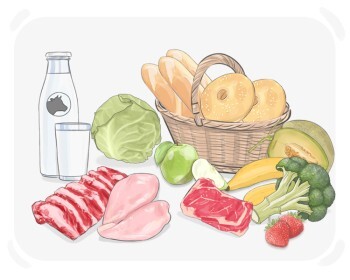
things that people and animals eat, such as meat or vegetables

the field of science that studies food and drink and their effects on the human body

a substance that is added in small quantities to something else to improve or preserve its quality, appearance, or effectiveness
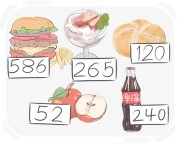
the unit used to measure the amount of energy that a food produces
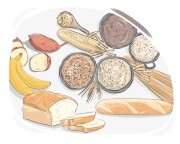
a substance that consists of hydrogen, oxygen, and carbon that provide heat and energy for the body, found in foods such as bread, pasta, fruits, etc.
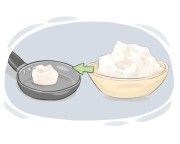
a substance taken from animals or plants and then processed so that it can be used in cooking
a solid and natural substance that is not produced in the body of living beings but its intake is necessary to remain healthy
a substance such as a vitamin, protein, fat, etc. that is essential for good health and growth
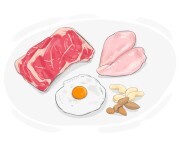
a substance found in food such as meat, eggs, seeds, etc. which is an essential part of the diet and keeps the body strong and healthy
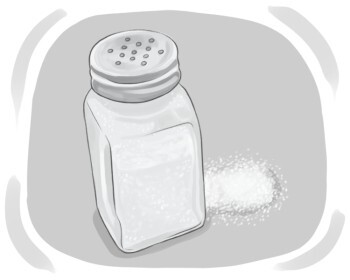
a natural, white substance, obtained from mines and also found in seawater that is added to the food to make it taste better or to preserve it
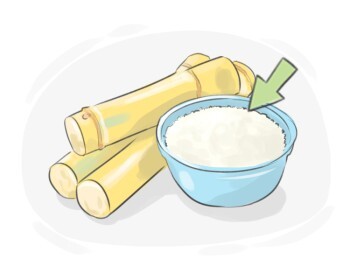
a sweet white or brown substance that is obtained from plants and used to make food and drinks sweet
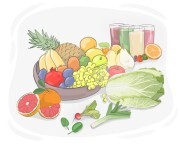
natural substances that are found in food, which the body needs in small amounts to remain healthy, such as vitamin A, B, etc.
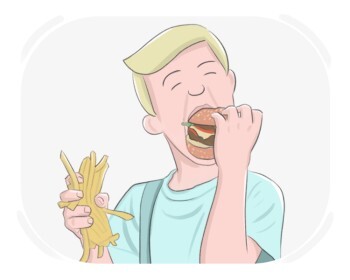
to put food into the mouth, then chew and swallow it
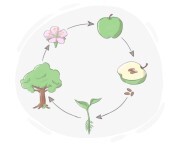
all the different stages of grow and development of a living organism
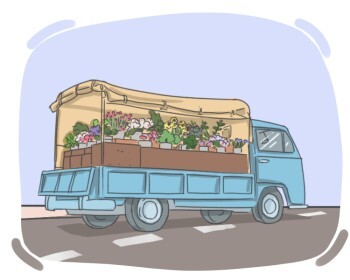
to take people, goods, etc. from one place to another using a vehicle, ship, or aircraft
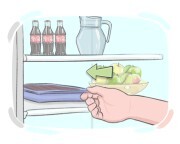
to put food or drinks in a refrigerator or other cold place to keep them cool or fresh
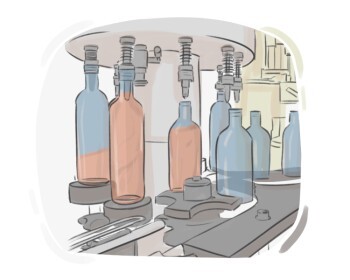
to make something using raw materials or different components
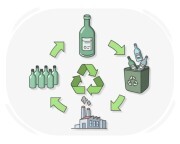
to make a waste product usable again

to get rid of what is not needed or wanted anymore

a box or container in which items are packed
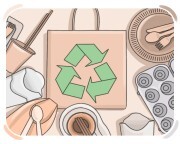
referring to products, actions, or practices that are designed to cause minimal harm to the environment
(of a product or system) using less energy while still achieving the same level of performance or output
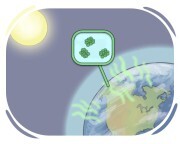
any type of gas, particularly carbon dioxide, that contributes to global warming by trapping heat
the increase in the average temperature of the Earth as a result of the greenhouse effect

a place where garbage and waste materials are collected and disposed of
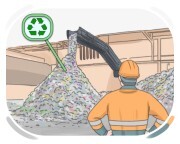
a place where materials such as paper, plastic, glass, and metal are collected and sorted so they can be reused or turned into new products