pattern

Adverbs of Result and Viewpoint - Adverbs of Fact-Based Viewpoints

These adverbs are used to show that one's opinions or statements are based on facts rather than personal viewpoints, like "in fact", "actually", "indeed", etc.

Review

Flashcards

Forms

Spelling

Quiz

Start learning
Categorized Adverbs of Result and Viewpoint
actually
actually
[Adverb]

used to emphasize a fact or the truth of a situation

Ex: The old building , believed to be abandoned , is actually a thriving art studio .
Close
Sign in
obviously
obviously
[Adverb]

in a way that is easily understandable or noticeable

Ex: The cake was half-eaten , so obviously, someone had already enjoyed a slice .
Close
Sign in
technically
technically
[Adverb]

in a manner that is in accordance with an exact understanding of facts, rules, etc., or their literal interpretation

Ex: Technically, the experiment was a success, even though the results were not as anticipated.
Close
Sign in
in fact
in fact
[Adverb]

used to introduce a statement that provides additional information or emphasizes the truth or reality of a situation

Ex: He told me he did n't know her ; in fact, they are close friends .
Close
Sign in
in truth
in truth
[Adverb]

used to emphasize that something is being expressed honestly or genuinely, often revealing the real facts or feelings

Ex: The situation appeared complicated , but in truth, it was a straightforward misunderstanding .
Close
Sign in
of course
of course
[Adverb]

used to show that what is being said is obvious or known and not surprising

Ex: The research findings, of course, align with previous studies in the field.
Close
Sign in
indeed
indeed
[Adverb]

used to emphasize or confirm a statement

Ex: Indeed, it was a remarkable achievement .
Close
Sign in
especially
especially
[Adverb]

used for showing that what you are saying is more closely related to a specific thing or person than others

Ex: He values honesty in relationships , especially during challenging times .
Close
Sign in
notably
notably
[Adverb]

used to introduce the most important part of what is being said

Ex: The museum houses a collection of rare artifacts , notably an ancient manuscript dating back to the 10th century .
Close
Sign in
importantly
importantly
[Adverb]

used to highlight the significance of a particular point, fact, or aspect

Ex: Importantly, remember to take care of your mental health .
Close
Sign in
crucially
crucially
[Adverb]

in a manner emphasizing the important nature of an action, event, or situation

Ex: Understanding customer feedback is crucially vital for refining and improving products and services .
Close
Sign in
instrumentally

in a way that is crucial to achieving a desired outcome or goal

Ex: The mentor instrumentally guided the team through challenges , ensuring project success .
Close
Sign in
substantively

in a way that is significant, often in terms of impression or content

Ex: Her argument was substantively supported by a wealth of empirical evidence .
Close
Sign in
dominantly
dominantly
[Adverb]

in a manner that shows control or superiority in a situation

Ex: The landscape was dominantly covered in lush greenery , creating a picturesque scene .
Close
Sign in
secondarily
secondarily
[Adverb]

in a manner that is of less importance or priority compared to other things

Ex: The team prioritized completing the project on time , with attention to aesthetics addressed secondarily.
Close
Sign in
peripherally
peripherally
[Adverb]

in a manner that is not very important or closely connected when compared to other things

Ex: The course curriculum touched peripherally on the historical context of the subject , but the main emphasis was on practical applications .
Close
Sign in
tangentially
tangentially
[Adverb]

in a way that is related to a topic but not directly connected or relevant
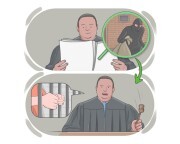
Ex: In her research paper , the scientist explored the main hypothesis but tangentially considered alternative explanations for the observed phenomena .
Close
Sign in
clearly
clearly
[Adverb]

without any uncertainty

Ex: He was clearly upset about the decision .
Close
Sign in
apparently
apparently
[Adverb]

used to convey that something seems to be true based on the available evidence or information

Ex: The restaurant is apparently famous for its seafood dishes .
Close
Sign in
ostensibly
ostensibly
[Adverb]

in a way that is based on appearances or perception

Ex: The charity event was ostensibly organized to support a local cause , but some suspected hidden motives .
Close
Sign in
seemingly
seemingly
[Adverb]

in a manner that looks a certain way at first glance, but there might be hidden aspects or complications

Ex: She arrived at the party seemingly alone , but later her friends joined her .
Close
Sign in
purely
purely
[Adverb]

with no other reason or purpose involved

Ex: Her compliment on the performance was purely genuine , expressing admiration without any hidden agenda .
Close
Sign in
truly
truly
[Adverb]

in a heartfelt and sincere manner

Ex: I am truly honored to receive this award .
Close
Sign in
namely
namely
[Adverb]

used to give more specific information or examples regarding what has just been mentioned

Ex: The festival featured a variety of events , namely concerts , workshops , and art exhibitions .
Close
Sign in
foremost
foremost
[Adverb]

used for indicating the most important aspect of something

Ex: For effective leadership , inspiring and motivating the team should be foremost in a manager 's approach .
Close
Sign in
LanGeek
Download LanGeek app