
SAT Natural Sciences - Medical Sciences
Here you will learn some English words related to the medical sciences, such as "embryo", "preventative", "autopsy", etc. that you will need to ace your SATs.
Review
Flashcards
Spelling
Quiz

a scientist specializing in the study of drugs, their effects on biological systems, and their development for therapeutic purposes
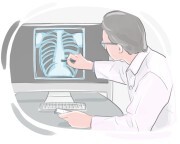
a medical specialist who specializes in diagnosing and treating injuries using radioactive substances and X-rays
a medical professional who specializes in studying and diagnosing diseases by examining tissues, cells, and bodily fluids
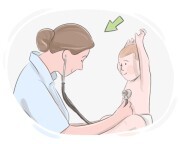
a doctor who specializes in the treatment of children
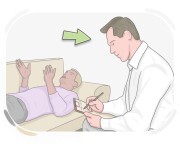
a professional who studies behavior and mental processes to understand and treat psychological disorders and improve overall mental health
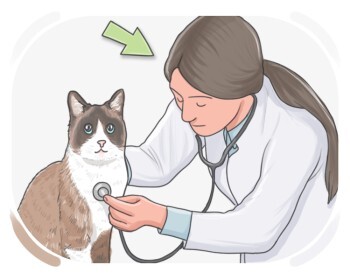
a doctor who is trained to treat animals
the impaired or abnormal functioning of an organ, system, or biological process, often resulting in diminished efficiency or health consequences
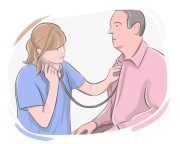
to find out the cause of a problem or disease that a person has by examining the symptoms
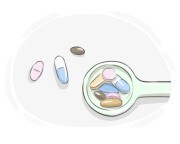
to give someone medicine, drugs, etc.
(of medicine) related to actions that heal, alleviate, or prevent health issues
treatments or therapies aimed at restoring health, function, or vitality to a person or part of the body
designed to stop something harmful from happening, especially related to health or diseases
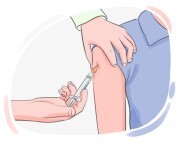
the process of boosting the immunity system of a person or animal against a disease by vaccination
a secondary effect of any drug or medicine, usually an undesirable one
a condition where the immune system is weakened, making the person more vulnerable to infections and illnesses
the body's defensive reaction to foreign substances, such as bacteria, viruses, or toxins, involving the activation of immune cells and the production of antibodies
a medical treatment that uses bacteriophages, or viruses that specifically target and kill bacteria, to combat bacterial infections
a medicine without any physiological effect that is given to a control group in an experiment to measure the effectiveness of a new drug or to patients who think they need medicine when in reality they do not
related to an infection or having the ability to cause an infection
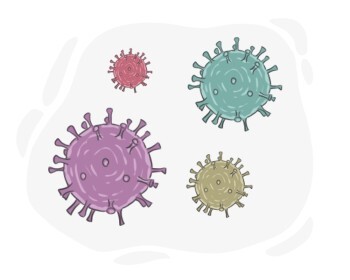
any organism that can cause diseases
the tendency of an organism or cell to regulate its internal environment and maintain a stable, balanced condition, despite external changes
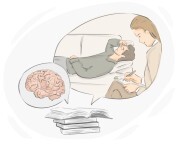
relating to the study and treatment of mental illness
related to the period occurring or existing before birth, specifically in relation to the development and care of the fetus during pregnancy
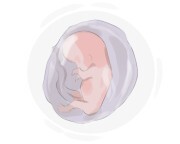
an unhatched or unborn offspring in the process of development, especially a human offspring roughly from the second to the eighth week after fertilization
related to the process of growth, progress, or improvement over time
related to or resembling lymph or the tissues where lymphocytes, a type of white blood cell, are produced
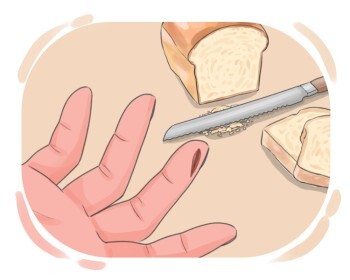
an injury or wound to living tissue, often involving a cut, break, or trauma to the skin
the thickening and scarring of connective tissue, usually as a result of injury or long-term inflammation
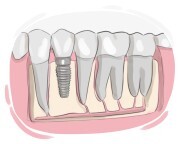
to insert a living tissue or an artificial object into the body via medical procedure
an examination of a deceased person's organs to determine the cause of death
a medicinal drug, especially one manufactured or dispensed for use in diagnosis, treatment, or prevention of disease
relating to the phase of the heartbeat when the heart muscle contracts and pumps blood into the arteries
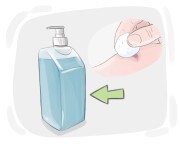
a substance that prevents infection when applied to a wound, especially by killing bacteria
a vitamin that helps keep the body cells healthy and supports the immune system, commonly found in fruits like orange and vegetables like tomatoes
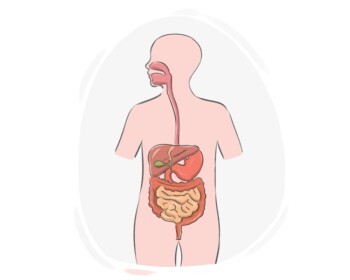
the group of organs inside the body that absorb the food and pass the waste
related to the process of breathing and the organs involved in it, such as the lungs and airways
a live microorganism, typically bacteria or yeast, that is beneficial to health, especially the digestive system

to clean something thoroughly to reduce or eliminate germs, bacteria, or other harmful microorganisms
relating to pregnancy or the period of carrying offspring in the womb
mucus or phlegm that is coughed up from the respiratory tract, typically as a result of infection or disease
the thick mucus that is formed in the nasal and throat cavities, usually secreted in excessive amounts as a result of common cold
a medical imaging technique that uses a small amount of radioactive tracer material to diagnose and monitor diseases such as cancer, heart disease, and neurological disorders

(anatomy) the act or process of breathing
a drug that makes one feel stronger, healthier, or better, particularly used to treat exhaustion
the natural biological process that marks the end of a woman's menstrual cycles, typically occurring around the age of 50
a numerical measure of an individual's body fat based on their weight and height, often used to assess and categorize body weight in relation to health
a stage of sleep characterized by rapid eye movements, vivid dreaming, and muscle paralysis, important for cognitive restoration and memory consolidation
