pattern

SAT Exam Essential Vocabulary - Clause Connectors

Here you will learn some English clause connectors, such as "alternatively", "in lieu of", "thereby", etc. that you will need to ace your SATs.

Review

Flashcards

Forms

Spelling

Quiz

Start learning
SAT Exam Essential Vocabulary
however
however
[conjunction]

in whatever way

Ex: However he plans his schedule, he always seems to be running late. 
Close
Sign in
though
though
[conjunction]

used to say something surprising compared to the main idea

Ex: Though he didn't study for the exam, he still managed to get an A. 
Close
Sign in
nonetheless
nonetheless
[Adverb]

used to indicate that despite a previous statement or situation, something else remains true

Ex: The evidence was weak; the jury convicted him nonetheless. 
Close
Sign in
still
still
[Adverb]

despite what has been said or done

Ex: I didn't like the book. Still, I finished it. 
Close
Sign in
nevertheless
nevertheless
[Adverb]

used to introduce an opposing statement

Ex: The plan was risky; they proceeded nevertheless. 
Close
Sign in
(in|by) contrast
in contrast
[Adverb]

used to highlight the differences between two or more things or people

Ex: The old house had a charming, rustic feel, whereas the new one, in contrast, is sleek and modern. 
Close
Sign in
instead
instead
[Adverb]

in contrast to what was expected or suggested

Ex: He expected her to be upset; instead, she smiled and thanked him. 
Close
Sign in
even though
even though
[conjunction]

used to indicate that despite a certain fact or situation mentioned in the first clause, the second clause follows

Ex: Even though it was raining, they decided to go for a hike. 
Close
Sign in
besides
besides
[Adverb]

used to add extra information or to introduce a reason that supports what was just said

Ex: I don't want to go. Besides, I'm feeling tired. 
Close
Sign in
in lieu of
in lieu of
[preposition]

in replacement of something that is typically expected or required

Ex: She received a gift card in lieu of a traditional birthday present. 
Close
Sign in
that said
that said
[phrase]

used to introduce statement that is in contrast to what one previously stated

Ex: It's just a gimmick. That said, I'd love to do it. 
Close
Sign in
on the cusp of
on the cusp of
[preposition]

at the starting point of a major development or change

Ex: She was on the cusp of starting a new chapter in her life as she graduated from college and prepared for her first job. 
Close
Sign in
therefore
therefore
[Adverb]

as a result of something

Ex: The weather forecast predicted rain all week; therefore, they decided to postpone the outdoor event. 
Close
Sign in
consequently
consequently
[Adverb]

used to indicate a logical result or effect

Ex: The team neglected to conduct thorough testing, and consequently, several critical errors emerged in the final product. 
Close
Sign in
(by|in) contrast
by contrast
[Adverb]

used to introduce a comparison between two or more things, highlighting differences or disparities between them

Ex: The company's profits increased last year; by contrast, their competitors saw a decline in revenue. 
Close
Sign in
conversely
conversely
[Adverb]

in a way that is different from what has been mentioned

Ex: While the forecast predicted a sunny day, conversely, a sudden and unexpected storm rolled in. 
Close
Sign in
on the other (hand|)

used to introduce a contrasting aspect of a situation, especially when comparing it to a previous point
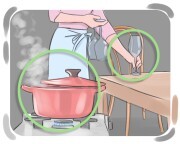
Ex: The job pays well; on the other hand, the hours are extremely long. 
Close
Sign in
meanwhile
meanwhile
[Adverb]

at the same time but often somewhere else

Ex: She started cooking dinner; meanwhile, her husband set the table. 
Close
Sign in
as a consequence

used to indicate that something follows as a result or outcome of a preceding event or action
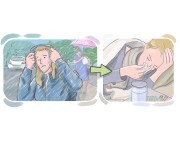
Ex: He neglected his studies, and as a consequence, he failed the exam. 
Close
Sign in
as a result
as a result
[Adverb]

used to indicate the outcome of a preceding action or situation

Ex: He worked hard on his studies, and as a result, he achieved top grades in the class. 
Close
Sign in
thus
thus
[Adverb]

used to introduce a result based on the information or actions that came before

Ex: She saved consistently each month; thus, she was able to afford the vacation she had always dreamed of. 
Close
Sign in
hence
hence
[Adverb]

used to say that one thing is a result of another

Ex: She missed the bus, hence she arrived late to the meeting. 
Close
Sign in
secondly
secondly
[Adverb]

used to introduce the second point, reason, step, etc.

Ex: Firstly, gather the ingredients for the recipe. Secondly, preheat the oven to 350°F. 
Close
Sign in
subsequently
subsequently
[Adverb]

after a particular event or time

Ex: She moved to France and subsequently began studying art. 
Close
Sign in
finally
finally
[Adverb]

used to introduce the last event or item in a series of related things

Ex: First, we visited the museum; then, we explored the park, and finally, we enjoyed a meal at the restaurant. 
Close
Sign in
afterward
afterward
[Adverb]

in the time following a specific action, moment, or event
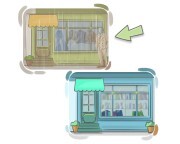
Ex: She completed her work, and afterward, she went for a walk. 
Close
Sign in
previously
previously
[Adverb]

before the present moment or a specific time
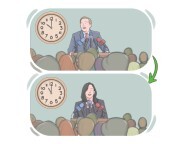
Ex: She had previously worked for a different company before joining the current one. 
Close
Sign in
next
next
[Adverb]

at the time or point immediately following the present
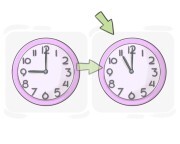
Ex: She plans to visit the museum next. 
Close
Sign in
later
later
[Adverb]

at a time following the current or mentioned moment, without specifying exactly when

Ex: He asked me to return his call later. 
Close
Sign in
moreover
moreover
[Adverb]

used to introduce additional information or to emphasize a point

Ex: The new policy aims to reduce carbon emissions, and moreover, it aligns with the company's commitment to environmental sustainability. 
Close
Sign in
furthermore
furthermore
[Adverb]

used to introduce additional information

Ex: The research findings supported the hypothesis, and furthermore, they provided valuable insights into potential applications. 
Close
Sign in
additionally
additionally
[Adverb]

used to introduce extra information or points

Ex: The team completed the project ahead of schedule, and additionally, they exceeded the client's expectations. 
Close
Sign in
in addition
in addition
[Adverb]

used to introduce further information

Ex: We need to buy milk, bread, and eggs. In addition, we should pick up some fruit for snacks. 
Close
Sign in
for example
for example
[phrase]

used to provide a specific situation or instance that helps to clarify or explain a point being made

Ex: You can use various applications on your phone, for example, social media, email, and navigation. 
Close
Sign in
for instance
for instance
[Adverb]

used to introduce an example of something mentioned

Ex: There are many beautiful places to visit in Italy, for instance, Rome, Venice, and Florence. 
Close
Sign in
similarly
similarly
[Adverb]

used to draw a parallel between two related ideas or actions
Ex: Sarah enjoys painting; similarly, her brother finds joy in sculpting. 
Close
Sign in
increasingly
increasingly
[Adverb]

in a manner that is gradually growing in degree, extent, or frequency over time

Ex: The company is increasingly investing in sustainable practices. 
Close
Sign in
in other words

used to provide an alternative or clearer way of expressing the same idea

Ex: The weather is quite pleasant today; in other words, it's a beautiful day. 
Close
Sign in
accordingly
accordingly
[Adverb]

used to indicate a logical consequence based on the circumstances or information provided

Ex: The traffic was unusually heavy, and accordingly, he arrived at the meeting later than planned. 
Close
Sign in
thereby
thereby
[Adverb]

used to indicate how something is achieved or the result of an action

Ex: She followed a healthy diet, thereby improving her overall well-being. 
Close
Sign in
indeed
indeed
[Adverb]

used to emphasize or confirm a statement
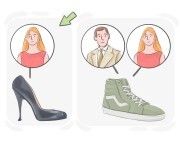
Ex: She did indeed finish the project ahead of schedule. 
Close
Sign in
specifically
specifically
[Adverb]

only for one certain type of person or thing
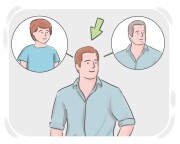
Ex: The chef specifically crafted a menu for guests with dietary restrictions. 
Close
Sign in
currently
currently
[Adverb]

at the present time

Ex: The company is currently working on a new product launch. 
Close
Sign in
(in|by) comparison

used to highlight differences or similarities when comparing two or more things or people

Ex: The new car is much faster than the old one by comparison. 
Close
Sign in
likewise
likewise
[Adverb]

used when introducing additional information to a statement that has just been made

Ex: She loves painting; her brother likewise enjoys spending time in the studio. 
Close
Sign in
actually
actually
[Adverb]

used to emphasize a fact or the truth of a situation

Ex: Many people assumed she was the manager, but, actually, she's a senior consultant. 
Close
Sign in
alternatively

as a second choice or another possibility

Ex: If you prefer not to drive, you can alternatively take the train to the city. 
Close
Sign in
in summary
in summary
[Adverb]

used to provide a brief and straightforward explanation of the main points or ideas

Ex: In summary, the study highlights the importance of early intervention in child development. 
Close
Sign in
in turn
in turn
[Adverb]

in a sequential manner, referring to actions or events occurring in a specific order

Ex: Each participant presented their findings in turn during the conference. 
Close
Sign in
regardless
regardless
[Adverb]

with no attention to the thing mentioned

Ex: She decided to go for a run regardless of the rain. 
Close
Sign in
LanGeek
Download LanGeek app