
Neúspěch - Porážka
Ovládněte anglické idiomy týkající se porážky, jako "mimo hru" a "mrtvý ve vodě".
Revize
Kartičky
Kvíz
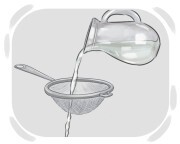
a situation or activity that is not productive

naprostá ztráta času, k ničemu
Ta strategie se nakonec ukázala jako naprostá ztráta času.
![to [come] to grief](https://cdn.langeek.co/photo/40833/thumb/350?type=jpeg "to [come] to grief")
to have an undesirable, unfortunate, or disappointing outcome
dopadnout špatně, skončit nezdarem
Záchranná akce dopadla špatně, protože se zhoršilo počasí.
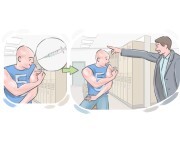
with no chance of succeeding in a competition
mimo hru, bez šance na úspěch
Jakmile termín vypršel, byli jsme mimo hru o grant.
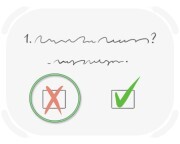
far from the correct or expected result
úplně mimo, daleko od pravdy
Mysleli jsme, že oprava bude levná, ale byli jsme úplně mimo.
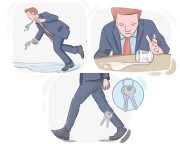
a situation or series of events that is marked by a sequence of humorous mistakes, mishaps, or misunderstandings
sled komických omylů, komická série nedorozumění
Z obyčejné dodávky se stala komická série nedorozumění.
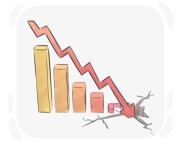
a period of hardship, struggle, or adversity
těžké časy, období strádání
Po zavření továrny se v těžkých časech navzájem podporovali.
![to [miss] the (boat|bus)](https://cdn.langeek.co/photo/40371/thumb/350?type=jpeg "to [miss] the (boat|bus)")
to lose the chance to take advantage of something, particularly a good opportunity
propásnout příležitost, zmeškat šanci
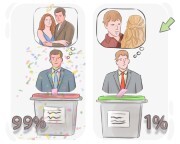
someone who is prone to lose something that is of great value or importance to them, such as their position, job, title, etc.
má to spočítané, je na odpis
Snažil se působit sebejistě, ale ve firmě už to měl spočítané.
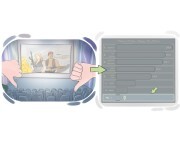
someone or something that has never succeeded or is very unlikely to succeed in the future
předem ztracený případ, bez šance na úspěch
Starý software se stal předem ztraceným případem, jakmile se objevily lepší nástroje.
![to [come] a cropper](https://cdn.langeek.co/photo/61632/thumb/lose/350?type=jpeg "to [come] a cropper")
to suddenly fail at something
náhle selhat, tvrdě narazit
Tvrdě narazil, když se pokusil všechno řídit sám.
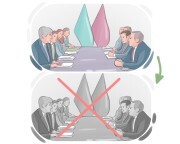
a situation that shows no signs of progress or improvement
bezvýchodná situace, bez budoucnosti
Strategie zpočátku vypadala slibně, ale brzy se ukázala jako bezvýchodná.
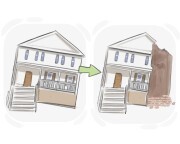
used to describe a situation or plan that has come to a complete halt or has become unproductive, with little to no chance of progress or success
je úplně v háji, nemá šanci pokračovat
Jejich návrh zněl lákavě, ale bez financí byl úplně v háji.
![to [pass] {one's} sell-by date](https://cdn.langeek.co/photo/40913/thumb/350?type=jpeg "to [pass] {one's} sell-by date")
to be no longer effective or of much use
přestat být užitečný, ztratit smysl
Ten vtip přestal fungovat, když ho všichni slyšeli už mockrát.
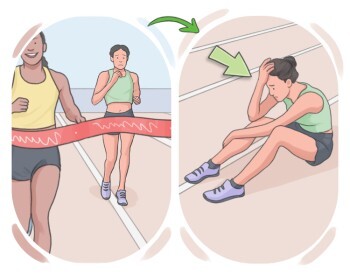
having failed or been defeated, and being unable to continue
je mimo hru, už nemůže pokračovat
![to [go|come] down in the world](https://cdn.langeek.co/photo/40911/thumb/350?type=jpeg "to [go|come] down in the world")
to experience a fall in social or financial status
spadnout dolů, společensky klesnout
Bál se, že vzít špatně placenou práci znamená společensky klesnout.
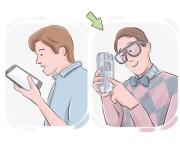
someone who was once significant or important but is now considered outdated or no longer influential
jeho čas minul, už nic neznamená
Tisk ho vykreslil jako někoho, jehož čas minul, i když měl stále příznivce.
![to [draw] a blank](https://cdn.langeek.co/photo/40909/thumb/350?type=jpeg "to [draw] a blank")
to be unable to come up with ideas or solutions to a problem
mít okno, na nic nepřijít
Zeptali se mě, jak zvýšit prodeje, a já měl úplné okno.
![the writing [is] on the wall](https://cdn.langeek.co/photo/40917/thumb/350?type=jpeg "the writing [is] on the wall")
used to say that that something bad is likely to happen
je to jasné varování, špatné znamení je jasné
![to [take] {sb} to the cleaners](https://cdn.langeek.co/photo/39973/thumb/350?type=jpeg "to [take] {sb} to the cleaners")
to defeat a person or a group thoroughly, often in a very humiliating manner
rozdrtit někoho, porazit na plné čáře
Malá firma u soudu průmyslového obra rozdrtila.
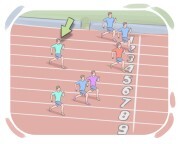
a mock prize, usually a wooden spoon, given to the person or team that finishes last in a competition
cena útěchy za poslední místo, posměšná cena pro posledního
Vyhnuli se ceně útěchy za poslední místo tím, že vyhráli poslední zápas.
![to [knock] {sb} off {one's} feet](/assets/img/no-pic-700w.png "to [knock] {sb} off {one's} feet")
to overwhelm or defeat someone completely and unexpectedly
úplně zaskočit, srazit někoho na kolena
Nikdo nečekal, že ta strategie druhou stranu úplně zaskočí.
to fail to have the intended effect, especially by not being funny or impressive
