pattern

El libro English File - Avanzado - Lección 5B

Aquí encontrarás el vocabulario de la Lección 5B del libro de curso English File Advanced, como "depósito", "presupuesto", "inflación", etc.

Revisión

Tarjetas de memoria

Ortografía

Cuestionario
Empezar a aprender
English File - Advanced
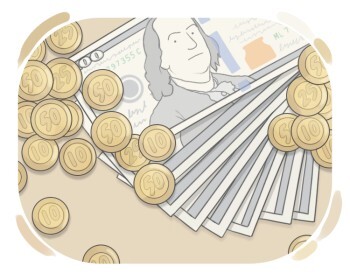
money
money
[Sustantivo]

something that we use to buy and sell goods and services, can be in the form of coins or paper bills

dinero

dinero

Ex: Saving money for the future is really important. 

Ahorrar dinero para el futuro es realmente importante.

money does not grow on trees

used to imply that money is not easily obtained or available, and one should not waste it unnecessarily

Ex: The manager emphasized to the employees that money does not grow on trees, so cost-cutting measures were necessary. 
tight-fisted
tight-fisted
[Adjetivo]

spending or giving money reluctantly

tacaño, avaro

tacaño, avaro

Ex: She’s known for being tight-fisted, so don’t expect her to chip in for the gift. 

Ella es conocida por ser tacaña, así que no esperes que contribuya al regalo.

an arm and (a|) leg

a large sum of money

un dineral, una fortuna

un dineral, una fortuna

Ex: We loved the hotel, but the dinner there cost an arm and a leg. 

Nos encantó el hotel, pero la cena allí costó un dineral.

to [make] (both|) ends meet

to make enough money to pay for one's basic needs

llegar a fin de mes, cubrir los gastos básicos

llegar a fin de mes, cubrir los gastos básicos

Ex: Many families struggle to make ends meet after prices rise. 

Después de la subida de precios, muchas familias luchan por llegar a fin de mes.

(in|into) the red
in the red
[Frase]

in debt due to spending more than one's earnings

en números rojos, endeudado

en números rojos, endeudado

Ex: The family went into the red after buying a house they could not afford. 

La familia entró en números rojos después de comprar una casa que no podía pagar.

in the black

used to refer to something, particularly a bank account, that is providing one with a considerable amount of profit

en números negros, dando ganancias

en números negros, dando ganancias

Ex: The new branch was in the black within six months. 

La nueva sucursal estuvo en números negros en menos de seis meses.

rip-off
rip-off
[Sustantivo]

something that costs a lot more than its real value

estafa, timazo

estafa, timazo

Ex: They charged $50 for parking, which felt like a total rip-off. 

Cobraron $50 por el estacionamiento, lo cual se sintió como un robo total.

to [tighten] {one's} belt

to lessen the amount of money or resources one uses compared to before, particularly due to having less available

ahorrar más, reducir gastos

ahorrar más, reducir gastos

Ex: The company tightened its belt and froze new hiring. 

La empresa redujo gastos y congeló nuevas contrataciones.

to [live] beyond {one's} means

to spend in a way that exceeds one's income

vivir por encima de sus posibilidades, gastar más de lo que gana

vivir por encima de sus posibilidades, gastar más de lo que gana

Ex: She bought designer bags, clearly living beyond her means. 

Compró bolsos de diseñador, claramente vive por encima de sus posibilidades.

budget
budget
[Sustantivo]

a specific amount of money set aside for a particular use

presupuesto

presupuesto

Ex: The travel budget covered flights and lodging. 

El presupuesto de viaje cubría los vuelos y el alojamiento.

deposit
deposit
[Sustantivo]

a sum of money that is paid before paying a total amount, particularly when buying something that is expensive

depósito

depósito

Ex: She placed a deposit on the new smartphone to reserve it until the official release date. 

Ella hizo un depósito en el nuevo smartphone para reservarlo hasta la fecha de lanzamiento oficial.

donation
donation
[Sustantivo]

something that is voluntarily given to someone or an organization to help them, such as money, food, etc.

donación

donación

Ex: The charity relies on donations to continue its work. 

La organización benéfica depende de las donaciones para continuar su labor.

fare
fare
[Sustantivo]

the amount of money we pay to travel with a bus, taxi, plane, etc.

tarifa

tarifa

Ex: The airline offers lower fares for early morning flights. 

La aerolínea ofrece tarifas más bajas para los vuelos de madrugada.

fee
fee
[Sustantivo]

the money that is paid to a professional or an organization for their services

tasa

tasa

Ex: The gym membership fee is due at the beginning of each month. 

La cuota del gimnasio vence al comienzo de cada mes.

fine
fine
[Sustantivo]

an amount of money that must be paid as a legal punishment

multa

multa

Ex: The fine for parking in a disabled parking spot without a permit is significant. 

La multa por estacionar en un lugar para discapacitados sin permiso es significativa.

grant
grant
[Sustantivo]

an amount of money given by the government or another organization for a specific purpose

beca

beca

Ex: The nonprofit organization was awarded a grant to expand its community outreach programs. 

La organización sin fines de lucro recibió una subvención para expandir sus programas de alcance comunitario.

loan
loan
[Sustantivo]

a sum of money that is borrowed from a bank which should be returned with a certain rate of interest

préstamo, crédito

préstamo, crédito

Ex: The bank offers different types of loans, including personal, auto, and home loans. 

El banco ofrece diferentes tipos de préstamos, incluyendo préstamos personales, préstamos para automóviles y préstamos para viviendas.

lump sum
lump sum
[Sustantivo]

a single, large payment made in full, instead of smaller payments made over time

suma global, pago único

suma global, pago único

Ex: Instead of monthly pension payments, retirees sometimes opt for a lump sum payout, allowing them more flexibility in managing their finances. 

En lugar de pagos mensuales de pensión, los jubilados a veces optan por un pago global, lo que les permite más flexibilidad en la gestión de sus finanzas.

quote
quote
[Sustantivo]

(plural) another way of saying quotation marks

comillas

comillas

Ex: When writing academic papers, it's important to cite sources correctly with quotes around the borrowed text. 

Al escribir trabajos académicos, es importante citar las fuentes correctamente con comillas alrededor del texto prestado.

will
will
[Sustantivo]

a person's intention or desire, especially one that is strong or persistent

voluntad, deseo

voluntad, deseo

Ex: The team's collective will to win kept them motivated throughout the grueling tournament. 

La voluntad colectiva del equipo por ganar los mantuvo motivados durante todo el agotador torneo.

society
society
[Sustantivo]

people in general, considered as an extensive and organized group sharing the same laws

sociedad

sociedad

Ex: Sociologists study how norms and values shape behavior within a given society. 

Los sociólogos estudian cómo las normas y los valores moldean el comportamiento dentro de una sociedad dada.

consumer
consumer
[Sustantivo]

someone who buys and uses services or goods

consumidor

consumidor

Ex: The new smartphone model received positive reviews from consumers. 

El nuevo modelo de smartphone recibió críticas positivas de los consumidores.

standard of living

the level of wealth, welfare, comfort, and necessities available to an individual, group, country, etc.

nivel de vida

nivel de vida

Ex: Many people seek job opportunities abroad to achieve a higher standard of living for their families. 
income
income
[Sustantivo]

the money that is regularly earned from a job or through an investment

ingreso, salario

ingreso, salario

Ex: The government's new tax policy will impact individuals with higher incomes more significantly. 

La nueva política fiscal del gobierno afectará más significativamente a las personas con ingresos más altos.

inflation
inflation
[Sustantivo]

the ongoing increase in the general price level of goods and services in an economy over a period of time

inflación

inflación

Ex: Rising inflation led to higher food and fuel prices. 

La inflación creciente condujo a precios más altos de alimentos y combustible.

cost of living

the amount of money required to maintain basic needs and expenses in a particular place or location

Ex: Students struggle to manage expenses due to the increasing cost of living. 
to afford
to afford
[Verbo]

to be able to pay the cost of something

permitirse

permitirse

Ex: Individuals are affording education through various financial planning strategies. 

Los individuos pueden permitirse la educación a través de varias estrategias de planificación financiera.

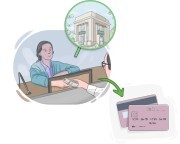
to manage
to manage
[Verbo]

to deal with someone, something, or a situation in a way that keeps it under control

gestionar, manejar
gestionar, manejar

Ex: The teacher knows how to manage a classroom full of students. 

El profesor sabe cómo gestionar un aula llena de estudiantes.

account
account
[Sustantivo]

an arrangement according to which a bank keeps and protects someone's money that can be taken out or added to

cuenta

cuenta

Ex: The company's accountant meticulously balanced the accounts to ensure accuracy in financial records. 

El contador de la empresa equilibró meticulosamente las cuentas para garantizar la precisión de los registros financieros.

balance
balance
[Sustantivo]

a state in an account where the total credits exactly equal the total debits, leaving no difference

saldo

saldo

Ex: When the credits and debits match, the account is said to be in balance. 

Cuando los créditos y los débitos coinciden, se dice que la cuenta está en equilibrio.

transfer
transfer
[Sustantivo]

the action of taking something from one place to another

transferencia, traslado

transferencia, traslado

Ex: The patient required a transfer to a larger hospital. 

El paciente requirió un traslado a un hospital más grande.

payment
payment
[Sustantivo]

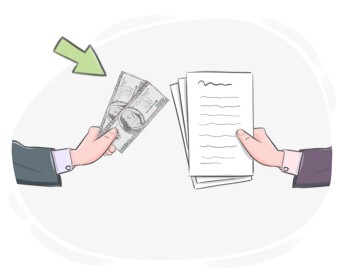
an amount of money that is paid for something

pago

pago

Ex: The payment for our meal was $25. 

El pago por nuestra comida fue de $25.

interest rate
interest rate
[Sustantivo]

the amount that a lender charges a borrower for the use of money, typically calculated based on the amount of the loan and the length of the borrowing period

tasa de interés, tipo de interés

tasa de interés, tipo de interés

Ex: Investors closely monitor changes in the interest rate set by the central bank as it impacts the economy. 

Los inversores monitorean de cerca los cambios en la tasa de interés establecida por el banco central, ya que impacta en la economía.

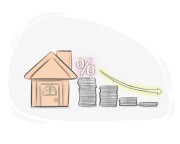
debt
debt
[Sustantivo]

an amount of money or a favor that is owed

deuda
deuda

Ex: She felt a deep sense of debt to her mentor, who had guided her throughout her career. 

Ella sintió un profundo sentido de deuda hacia su mentor, quien la había guiado a lo largo de su carrera.

mortgage
mortgage
[Sustantivo]

an official contract or arrangement by which a bank gives money to someone as a loan to buy a house and the person agrees to repay the loan over a specified period, usually with interest

hipoteca

hipoteca

Ex: The monthly mortgage payments include principal and interest, as well as property taxes and insurance. 

Los pagos mensuales de la hipoteca incluyen el capital y los intereses, así como los impuestos a la propiedad y el seguro.

share
share
[Sustantivo]

the act of dividing or distributing something among a group of people

parte

parte

Ex: They each took a share of the workload to ensure the project would be completed on time. 

Cada uno tomó una parte de la carga de trabajo para asegurar que el proyecto se completaría a tiempo.

stock market
stock market
[Sustantivo]

the business of trading and exchanging shares of different companies

bolsa de valores

bolsa de valores

Ex: News of the company's breakthrough product led to a surge in its stock market value. 

La noticia del producto innovador de la empresa provocó un aumento en el valor de su mercado de valores.

currency
currency
[Sustantivo]

the type or system of money that is used by a country

moneda

moneda

Ex: Using a stable currency is crucial for maintaining economic stability. 

Usar una moneda estable es crucial para mantener la estabilidad económica.

exchange rate
exchange rate
[Sustantivo]

the value of a country's currency compared to another country's currency

tipo de cambio, tasa de cambio

tipo de cambio, tasa de cambio

Ex: The favorable exchange rate made it an excellent time for investors to buy foreign stocks. 

El tipo de cambio favorable lo convirtió en un momento excelente para que los inversores compren acciones extranjeras.

bankrupt
bankrupt
[Adjetivo]

(of organizations or people) legally declared as unable to pay their debts to creditors

en quiebra, en bancarrota

en quiebra, en bancarrota

Ex: The once-thriving neighborhood became desolate after the major employer went bankrupt. 

El vecindario que una vez fue próspero se volvió desolado después de que el principal empleador se declarara en quiebra.

recession
recession
[Sustantivo]

a hard time in a country's economy characterized by a reduction in employment, production, and trade

recesión

recesión

Ex: Families had to tighten their budgets and cut back on spending due to the recession. 

Las familias tuvieron que ajustar sus presupuestos y recortar gastos debido a la recesión.

rich
rich
[Adjetivo]

owning a great amount of money or things that cost a lot

rico, adinerado

rico, adinerado

Ex: The rich family owned a private jet. 

La familia rica tenía un jet privado.

affluent
affluent
[Adjetivo]

possessing a great amount of riches and material goods

próspero

próspero

Ex: She grew up in an affluent family, attending private schools and traveling abroad frequently. 

Ella creció en una familia acomodada, asistiendo a escuelas privadas y viajando al extranjero con frecuencia.

loaded
loaded
[Adjetivo]

having a lot of money or financial resources

adinerado, forrado

adinerado, forrado

Ex: He's loaded, so money is never an issue. 

Él está forrado, por lo que el dinero nunca es un problema.

wealthy
wealthy
[Adjetivo]

having a large amount of money or valuable possessions

rico, acaudalado, adinerado

rico, acaudalado, adinerado

Ex: The wealthy philanthropist donated millions of dollars to charity every year. 

El filántropo adinerado donó millones de dólares a la caridad cada año.

well-off
well-off
[Adjetivo]

having enough money to cover one's expenses and maintain a desirable lifestyle

suficientemente rico

suficientemente rico

Ex: He considered himself well-off after securing a stable job with a decent income. 

Se consideraba bien situado después de conseguir un trabajo estable con un ingreso decente.

poor
poor
[Adjetivo]

owning a very small amount of money or a very small number of things

pobre

pobre

Ex: The poor family lived in a small, rundown house. 

La familia pobre vivía en una casa pequeña y deteriorada.

broke
broke
[Adjetivo]

having little or no financial resources

pelado, sin un peso, sin blanca

pelado, sin un peso, sin blanca

Ex: They were broke after the vacation. 

Estaban sin dinero después de las vacaciones.

hard up
hard up
[Adjetivo]

experiencing financial difficulties, often lacking money to cover basic expenses

escaso de dinero, en apuros económicos

escaso de dinero, en apuros económicos

Ex: The recent economic downturn left many families hard up and unable to afford even basic necessities. 

La reciente crisis económica dejó a muchas familias en apuros económicos e incapaces de pagar incluso las necesidades básicas.

penniless
penniless
[Adjetivo]

having no money or financial resources

sin un centavo, pelado

sin un centavo, pelado

Ex: After losing his job, he became penniless and struggled to afford even basic necessities. 

Después de perder su trabajo, se quedó sin un centavo y luchó por pagar incluso las necesidades básicas.

grand
grand
[Sustantivo]

a thousand units of a currency

luca, palo

luca, palo

Ex: She saved up a grand to take a trip to Europe. 

Ahorró un grand para hacer un viaje a Europa.

buck
buck
[Sustantivo]

one dollar

dólar

dólar

Ex: She only had ten bucks left in her wallet after paying for groceries. 

Ella solo tenía diez dólares en su billetera después de pagar los comestibles.

quid
quid
[Sustantivo]

the currency of the United Kingdom, equivalent to one hundred pence

libra, libra esterlina

libra, libra esterlina

Ex: She found a vintage book at the market for just a few quid. 

Encontró un libro vintage en el mercado por solo unas pocas libras.

fiver
fiver
[Sustantivo]

a piece of paper money worth five dollars that you can use to buy things

billete de cinco dólares, un cinco dólares

billete de cinco dólares, un cinco dólares

Ex: The street performer thanked the generous passerby for dropping a fiver into his hat. 

El artista callejero agradeció al transeúnte generoso por dejar un billete de cinco en su sombrero.
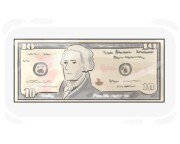
tenner
tenner
[Sustantivo]

a banknote with a value of ten units of a currency, typically ten pounds or ten dollars

billete de diez, diez pavos

billete de diez, diez pavos

Ex: Finding an old tenner in his wallet, he decided to buy a small treat for himself. 

Al encontrar un viejo billete de diez en su billetera, decidió comprarse un pequeño capricho.

installment
installment
[Sustantivo]

a part of a larger sum of money that is paid in a scheduled series of payments over a specified period of time

cuota

cuota

Ex: He was relieved to know that he could pay for the expensive course in installments rather than all at once. 

Se sintió aliviado al saber que podía pagar el curso costoso en cuotas en lugar de todo de una vez.

LanGeek
Descargar la aplicación LanGeek