pattern

本 English File - 上級 - レッスン5B

ここでは、English File Advancedコースブックのレッスン5Bからの語彙を見つけることができます。例えば「預金」、「予算」、「インフレーション」などです。

レビュー

フラッシュカード

語形

綴り

クイズ

学習を開始
English File - Advanced
money
money
[名詞]

something that we use to buy and sell goods and services, can be in the form of coins or paper bills

お金, 通貨

お金, 通貨

Ex: She works hard to earn money for her college tuition .

彼女は大学の授業料のためにお金を稼ぐために一生懸命働いています。

money does not grow on trees

used to imply that money is not easily obtained or available, and one should not waste it unnecessarily

Ex: She turned down the luxurious vacation proposal, reminding her partner that money does not grow on trees and they needed to be practical.
tight-fisted
tight-fisted
[形容詞]

spending or giving money reluctantly

けちな, しみったれた

けちな, しみったれた

Ex: Even though he ’s wealthy , he ’s incredibly tight-fisted when it comes to charity .

彼は裕福だが、慈善事業に関しては信じられないほどけちだ。

an arm and (a|) leg

a large sum of money

Ex: The wedding ceremony at the exclusive venue was lovely, but it came with a price tag of an arm and leg.
to [make] (both|) ends meet

to make enough money to pay for one's basic needs
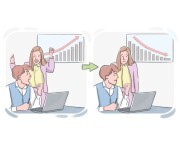
Ex: He has two jobs just to make ends meet each month.
(in|into) the red

in debt due to spending more than one's earnings

Ex: The restaurant was struggling to attract enough customers, leading to significant losses, and they were operating in the red.
in the black

used to refer to something, particularly a bank account, that is providing one with a considerable amount of profit

Ex: The organization has been in the black for several quarters now, thanks to a successful cost-cutting initiative.
rip-off
rip-off
[名詞]

something that costs a lot more than its real value

ぼったくり, 詐欺

ぼったくり, 詐欺

Ex: Be careful when shopping online ; some deals are just rip-offs with inflated prices .

オンラインショッピングの際は注意してください。一部の取引は、価格が吊り上げられたただのぼったくりです。

to [tighten] {one's} belt

to lessen the amount of money or resources one uses compared to before, particularly due to having less available

Ex: With a new baby on the way, they’ve had to tighten their belts and adjust their budget.
to [live] beyond {one's} means

to spend in a way that exceeds one's income

Ex: They bought a luxurious house and expensive cars but couldn't keep up with the mortgage and loans.They were living beyond their means.
budget
budget
[名詞]

a specific amount of money set aside for a particular use

予算, 予算配分

予算, 予算配分

Ex: He set a weekly budget for groceries .

彼は食料品のために週ごとの予算を設定しました。

deposit
deposit
[名詞]

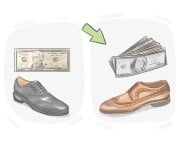
a sum of money that is paid before paying a total amount, particularly when buying something that is expensive

保証金, 前金

保証金, 前金

Ex: The travel agency asked for a deposit to confirm their spots on the upcoming cruise .

旅行会社は、今後のクルーズでの彼らのスポットを確認するためにデポジットを要求しました。

donation
donation
[名詞]

something that is voluntarily given to someone or an organization to help them, such as money, food, etc.

寄付, 貢献

寄付, 貢献

Ex: They appreciated the generous donation from the community .

彼らはコミュニティからの寛大な寄付に感謝しました。

fare
fare
[名詞]

the amount of money we pay to travel with a bus, taxi, plane, etc.

運賃, チケット代

運賃, チケット代

Ex: The subway fare increased by 10% this year.

地下鉄の運賃が今年10%上がりました。

fee
fee
[名詞]

the money that is paid to a professional or an organization for their services

料金, 手数料

料金, 手数料

Ex: There 's an additional fee if you require expedited shipping for your order .

注文の迅速な配送が必要な場合は、追加料金がかかります。

fine
fine
[名詞]

an amount of money that must be paid as a legal punishment

罰金, 過料

罰金, 過料

Ex: The judge imposed a fine on the company for environmental violations .

裁判官は環境違反に対して会社に罰金を科した。

grant
grant
[名詞]

an amount of money given by the government or another organization for a specific purpose

助成金, 奨学金

助成金, 奨学金

Ex: Startups often rely on grants to support early-stage development before becoming profitable .

スタートアップは、利益を上げる前に初期段階の開発を支援するため、しばしば助成金に頼ります。

loan
loan
[名詞]

a sum of money that is borrowed from a bank which should be returned with a certain rate of interest

ローン, 借入

ローン, 借入

Ex: They applied for a loan to expand their business operations .

彼らは事業運営を拡大するためにローンを申請した。

lump sum
lump sum
[名詞]

a single, large payment made in full, instead of smaller payments made over time

一括払い, 一括支払い

一括払い, 一括支払い

Ex: Employees who resign from the company often receive a lump sum payment for their unused vacation days upon departure .

会社を辞める従業員は、退職時に未使用の休暇日数に対して一括払いを受けることが多い。

quote
quote
[名詞]

(plural) another way of saying quotation marks

引用符, 引用

引用符, 引用

Ex: The novelist included quotes from historical figures to add authenticity to the narrative .

小説家は物語に真実味を加えるために歴史的人物からの引用を含めた。

will
will
[名詞]

a person's intention or desire, especially one that is strong or persistent

意志, 願望

意志, 願望

Ex: His will to make a difference inspired many in his community to take action .

変化をもたらそうとする彼の意志は、コミュニティの多くの人々に行動を起こすよう促しました。

society
society
[名詞]

people in general, considered as an extensive and organized group sharing the same laws

社会

社会

Ex: Social media has become an integral part of contemporary society, influencing public opinion and communication patterns .

ソーシャルメディアは、現代の社会の不可欠な一部となり、世論やコミュニケーションパターンに影響を与えています。

consumer
consumer
[名詞]

someone who buys and uses services or goods

消費者, 顧客

消費者, 顧客

Ex: Online reviews play a significant role in helping consumers make informed choices .

オンラインレビューは、消費者が情報に基づいた選択をするのを助ける上で重要な役割を果たします。

standard of living

the level of wealth, welfare, comfort, and necessities available to an individual, group, country, etc.

Ex: Economic policies that promote job creation and income growth can positively impact the standard of living for citizens.
income
income
[名詞]

the money that is regularly earned from a job or through an investment

収入

収入

Ex: The couple reviewed their monthly income and expenses to create a more effective budget .

カップルは、より効果的な予算を作成するために、毎月の収入と支出を見直しました。

inflation
inflation
[名詞]

the ongoing increase in the general price level of goods and services in an economy over a period of time

インフレ, 物価上昇

インフレ, 物価上昇

Ex: Wages failed to keep up with inflation, affecting many households .

賃金はインフレーションに追いつけず、多くの世帯に影響を与えた。

cost of living

the amount of money required to maintain basic needs and expenses in a particular place or location

Ex: Retirees often move to countries with a lower cost of living to stretch their savings.
to afford
to afford
[動詞]

to be able to pay the cost of something

購入できる, 支払う余裕がある

購入できる, 支払う余裕がある

Ex: Financial stability allows individuals to afford unexpected expenses without causing hardship .

経済的安定は、個人が苦難を引き起こすことなく予期せぬ出費を賄うことを可能にします。

to manage
to manage
[動詞]

to deal with someone, something, or a situation in a way that keeps it under control

管理する, 対処する

管理する, 対処する

Ex: He knows how to manage the boat in rough waters .

彼は荒れた海でボートを管理する方法を知っています。

account
account
[名詞]

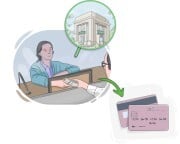
an arrangement according to which a bank keeps and protects someone's money that can be taken out or added to

口座, 銀行口座

口座, 銀行口座

Ex: Tom received an email notification confirming that his account had been credited with the refund amount .

トムは、自分のアカウントに返金額が入金されたことを確認するメール通知を受け取りました。

balance
balance
[名詞]

a state in an account where the total credits exactly equal the total debits, leaving no difference

残高, バランス

残高, バランス

Ex: The auditor verified that all entries resulted in a balance before closing the fiscal year .

監査人は、会計年度を締め切る前にすべての記録が残高をもたらしたことを確認しました。

transfer
transfer
[名詞]

the action of taking something from one place to another

転送, 移動

転送, 移動

Ex: The team organized the transfer of supplies to the field .

チームは物資の移送を現場に組織しました。

payment
payment
[名詞]

an amount of money that is paid for something

支払い, 返済

支払い, 返済

Ex: The payment for the painting was more than I could afford .

その絵の支払いは、私が払える額を超えていました。

interest rate

the amount that a lender charges a borrower for the use of money, typically calculated based on the amount of the loan and the length of the borrowing period

金利, 利率

金利, 利率

Ex: To save money , they opted for a fixed interest rate on their loan to avoid fluctuations .

お金を節約するために、彼らは変動を避けるためにローンに固定金利を選びました。

debt
debt
[名詞]

an amount of money or a favor that is owed

借金, 負債

借金, 負債

Ex: He repaid his friend , feeling relieved to be free of the personal debt he had owed for so long .

彼は友人に返済し、長い間負っていた個人的な借金から解放されて安堵を感じた。

mortgage
mortgage
[名詞]

an official contract or arrangement by which a bank gives money to someone as a loan to buy a house and the person agrees to repay the loan over a specified period, usually with interest

抵当, 住宅ローン

抵当, 住宅ローン

Ex: Failure to make mortgage payments on time can lead to foreclosure , where the lender repossesses the property .

住宅ローンの支払いを期限通りに行わないと、貸し手が財産を差し押さえる差し押さえにつながる可能性があります。

share
share
[名詞]

the act of dividing or distributing something among a group of people

分け前

分け前

Ex: The siblings divided the inheritance into equal shares to avoid any disputes .

兄弟たちは相続財産を均等な分け前に分け、争いを避けました。

stock market
stock market
[名詞]

the business of trading and exchanging shares of different companies

株式市場, 証券取引所

株式市場, 証券取引所

Ex: The global pandemic had a profound impact on the stock market, leading to volatile fluctuations .

世界的なパンデミックは株式市場に深刻な影響を与え、不安定な変動を引き起こしました。

currency
currency
[名詞]

the type or system of money that is used by a country

通貨, 外貨

通貨, 外貨

Ex: The value of the currency dropped significantly after the announcement .

発表後、通貨の価値が大幅に下落しました。

exchange rate

the value of a country's currency compared to another country's currency

為替レート, 交換レート

為替レート, 交換レート

Ex: She monitored the exchange rate closely to get the best deal when transferring money to another country .

彼女は、別の国にお金を送金する際に最良の取引を得るために、為替レートを注意深く監視しました。

bankrupt
bankrupt
[形容詞]

(of organizations or people) legally declared as unable to pay their debts to creditors

破産した, 倒産した

破産した, 倒産した

Ex: The bankrupt individual sought financial counseling to manage their debts .

破産した個人は、債務を管理するために財務相談を求めました。

recession
recession
[名詞]

a hard time in a country's economy characterized by a reduction in employment, production, and trade

不況

不況

Ex: Economists predicted that the recession would last for several quarters before signs of recovery would emerge .

経済学者たちは、回復の兆しが現れる前に、不況が数四半期続くと予測した。

rich
rich
[形容詞]

owning a great amount of money or things that cost a lot

裕福な, 金持ちの

裕福な, 金持ちの

Ex: The rich philanthropist sponsored scholarships for underprivileged students .

その裕福な慈善家は、恵まれない学生のための奨学金を後援しました。

affluent
affluent
[形容詞]

possessing a great amount of riches and material goods

裕福な, 豊かな

裕福な, 豊かな

Ex: The affluent couple donated generously to local charities and cultural institutions .

裕福なカップルは地元の慈善団体や文化施設に寛大に寄付しました。

loaded
loaded
[形容詞]

having a lot of money or financial resources

金持ちの, 裕福な

金持ちの, 裕福な

Ex: He got loaded from his successful stock trades.

彼は成功した株式取引で大金を手にした

wealthy
wealthy
[形容詞]

having a large amount of money or valuable possessions

裕福な, 豊かな

裕福な, 豊かな

Ex: The wealthy neighborhood was known for its extravagant mansions and gated communities .

その裕福な地域は、豪華なマンションとゲーテッドコミュニティで知られていました。

well-off
well-off
[形容詞]

having enough money to cover one's expenses and maintain a desirable lifestyle

裕福な, 経済的に余裕がある

裕福な, 経済的に余裕がある

Ex: They invested wisely and became well-off in their retirement years .

彼らは賢明に投資し、退職後の年に裕福になりました。

poor
poor
[形容詞]

owning a very small amount of money or a very small number of things

貧しい, 困窮している

貧しい, 困窮している

Ex: Unforunately , the poor elderly couple relied on government assistance to cover their expenses .

残念ながら、その貧しい老夫婦は生活費を賄うために政府の援助に頼っていました。

broke
broke
[形容詞]

having little or no financial resources

破産した, 無一文

破産した, 無一文

Ex: We're broke this month because of the rent.

家賃のせいで今月は無一文です。

hard up
hard up
[形容詞]

experiencing financial difficulties, often lacking money to cover basic expenses

金欠の, 財政難に陥っている

金欠の, 財政難に陥っている

Ex: Even though they were hard up, they managed to find joy in the simple things in life .

彼らは金銭的に苦しい状況だったが、人生のささやかなものに喜びを見いだすことができた。

penniless
penniless
[形容詞]

having no money or financial resources

無一文の, 一文無しの

無一文の, 一文無しの

Ex: The penniless immigrant worked hard to build a better life for his family .

無一文の移民は、家族のためにより良い生活を築くために一生懸命働きました。

grand
grand
[名詞]

a thousand units of a currency

千, グランド

千, グランド

Ex: He borrowed three grand from his parents to start his business .

彼は自分のビジネスを始めるために両親から3 グランド を借りた。

buck
buck
[名詞]

one dollar

1ドル, 1ドル札

1ドル, 1ドル札

Ex: He bet his friend a buck that his favorite team would win the game .

彼は自分のお気に入りのチームが試合に勝つと友達に1ドル賭けた。

quid
quid
[名詞]

the currency of the United Kingdom, equivalent to one hundred pence

ポンド, スターリングポンド

ポンド, スターリングポンド

Ex: The concert tickets cost a hundred quid each , but the experience was well worth it .

コンサートチケットは1枚100ポンドでしたが、その経験は十分に価値がありました。

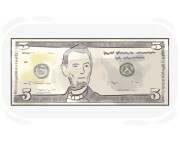
fiver
fiver
[名詞]

a piece of paper money worth five dollars that you can use to buy things

5ドル札, 5ドル

5ドル札, 5ドル

Ex: At the garage sale , she sold an old book for a fiver.

ガレージセールで、彼女は古い本を5ドル札で売った。

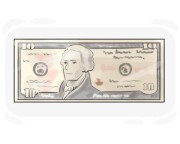
tenner
tenner
[名詞]

a banknote with a value of ten units of a currency, typically ten pounds or ten dollars

十ドル札, 十ポンド札

十ドル札, 十ポンド札

Ex: He borrowed a tenner from his friend to cover the unexpected expense .

彼は予期せぬ出費を賄うために友人から10ドル札を借りた。

installment
installment
[名詞]

a part of a larger sum of money that is paid in a scheduled series of payments over a specified period of time

分割払い

分割払い

Ex: The artwork was purchased on an installment plan, making it more affordable for the buyer.

その美術品は分割払いの計画で購入され、購入者にとってより手頃な価格になりました。

LanGeek
LanGeekアプリをダウンロード