
Verbos de Acción Verbal - Verbos para Ordenar y Forzar
Aquí aprenderás algunos verbos en inglés que se refieren a ordenar y forzar, como "ordenar", "obligar" y "expulsar".
Revisión
Tarjetas de memoria
formas
Ortografía
Cuestionario


to give an instruction to someone to do something through one's authority

ordenar
to give an official order to a person or an animal to perform a particular task
mandar

to instruct or recommend someone to do a particular thing
decir
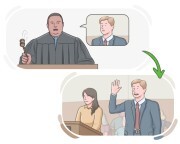
to officially order someone to appear before a court or other legal authority
["citar", "emplazar"]
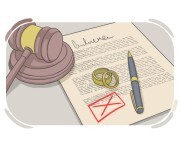
to decide or rule something officially as a court or other legal authority
decretar

to officially order something using one's higher authority
ordenar, decretar
El consejo decretó la construcción de un nuevo puente para mejorar el transporte en la ciudad.

to give orders or instructions with authority
dictar

to make someone behave a certain way or do a particular action, even if they do not want to
forzar, obligar
to force or strongly oblige someone to do something
obligar, compeler
to force someone to do something through threats or manipulation
coaccionar
El matón intentó coaccionar a sus compañeros de clase para que le dieran su dinero del almuerzo mediante amenazas.

to make someone do something, typically through legal, moral, or social means
obligar
Las normas sociales obligan a los individuos a mostrar respeto por el espacio personal y los límites de los demás.
to make someone do something because it is required by law, duty, etc.
obligar, forzar
Se vio obligado a disculparse por el error y rectificar la situación.

to force someone to act in a certain way
obligar, forzar
Las reglas del juego obligaban a los jugadores a seguir una estrategia específica.
to force someone or something to do something
hacer

to strongly encourage someone to take action
impeler
La carta sincera de un partidario impulsa al político a seguir abogando por la justicia social.
to forcefully pressure someone to do something
forzar, presionar
La presión de grupo de sus amigos lo obligó a participar en comportamientos riesgosos.

to pressure someone into doing something through intimidation or threats
obligar
El vendedor agresivo intentó obligar a los clientes a realizar una compra utilizando tácticas de alta presión.

to remove someone from their job or position, typically due to poor performance
despedir
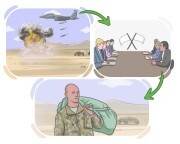
to officially release or dismiss someone from the police or armed forces
licenciar, dar de baja

to force someone to leave a place, organization, etc.
expulsar
El profesor tiene la autoridad para expulsar a los estudiantes disruptivos del aula.

to remove someone from a position or place, often forcefully
desbancar
La junta directiva decidió destituir al presidente por violaciones éticas.

to force a foreigner to leave a country, usually because they have broken the law
deportar
Los agentes de la patrulla fronteriza están deportando actualmente a un grupo de migrantes detenidos cerca de la frontera sur.
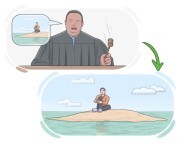
to force someone to leave their home or country and live elsewhere
exiliar
to force someone to leave a country, often as a form of punishment or to keep them away
desterrar, exiliar
El gobernante desterró a sus oponentes políticos a islas remotas para prevenir una rebelión.

to send someone accused of a crime to the place where the crime happened or where they are wanted for legal matters
extraditar
El sospechoso evitó el arresto durante años pero finalmente fue extraditado al país donde ocurrió el crimen.
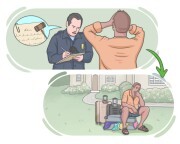
to legally force someone to leave a property, often because they broke the rules of the rental agreement
desalojar
La autoridad de vivienda tuvo que desalojar a los residentes que participaban en actividades ilegales dentro del complejo.

to forcefully make someone leave a place or residence
echar, expulsar
Los policías echaron a los intrusos del edificio abandonado.

to remove someone from a group or organization in a shameful manner
expulsar, dar de baja
El equipo deportivo expulsó al jugador que fue declarado culpable de dopaje durante una competencia.
