
Szókincs az IELTS-hez (Akadémiai) - Pszichológia
Itt megtanulhat néhány angol pszichológiai szót, például "klinikai", "skizofrénia", "állandóság" stb., amelyekre szükség van az IELTS vizsgához.
Áttekintés
Villámkártyák
Betűzés
Kvíz


relating to the observation, examination, and treatment of patients in a medical setting

klinikai
A klinikai vizsgálatokat az új kezelések hatékonyságának és biztonságosságának értékelésére végezzük.

related to the process of growth, progress, or improvement over time
fejlesztési, a fejlődéssel kapcsolatos
Fejlődési mérföldkövei a kognitív és motoros készségek fejlődését jelzik.

an intense and irrational fear toward a specific thing such as an object, situation, concept, or animal
fóbia, irracionális félelem
Megvitatták a fóbiák különféle kezelési módjait, beleértve a terápiát és a relaxációs technikákat.

an explanation based on limited facts and evidence that is not yet proved to be true
hipotézis, feltevés
A kutató a hipotézist egy sor kontrollált kísérleten keresztül tesztelte.
a medicine without any physiological effect that is given to a control group in an experiment to measure the effectiveness of a new drug or to patients who think they need medicine when in reality they do not
placebo, placebo gyógyszer
A placebo csoport nem mutatott tünetjavulást a kezelési csoporthoz képest, ami a gyógyszer hatékonyságát jelzi.
a chronic mental disorder in which a person's ability to think, feel or behave is affected, often associated with the distortion of reality
skizofrénia
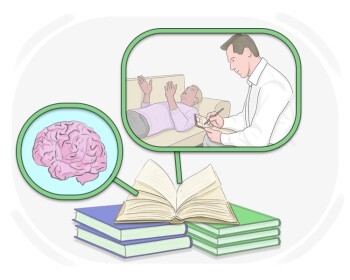
connected with the scientific study of the human mind and its functions
pszichológiai
the ability of mind to keep and remember past events, people, experiences, etc.
memória, emlékezet
A tanulás és az alvás fontos a memória javításához.
any branch of psychology that deals with finding practical solutions for human or animal behavioral problems
alkalmazott pszichológia, gyakorlati pszichológia

(psychology) a state of mental or emotional strain or suspense
stressz, feszültség
A tanulmány a szimulált nyomás alatti stressz szintet mérte.
(psychology) a mental condition in which a person has a false belief system that is contradicted by evidence
tévhit, illúzió
(psychology) the conscious act of holding a thought or feeling back
elnyomás, tiltás
(psychology) the way a person or an animal acts in different situations or responds to stimuli
viselkedés, magatartás
(psychology) the tendency to keep the same perception of an object despite changes in the stimuli
állandóság
(psychology) a person that is preoccupied with external things and prefers social situations
extrovertált, szociális helyzeteket preferáló személy
Az extrovertált személyisége teszi őt a parti lelkévé, mindig másokat vonva be a beszélgetésbe.
(psychology) the tendency to show an identical response to similar but distinct stimuli
általánosítás
(psychology) any regularly repeated pattern of behavior that is shown almost automatically in response to a specific situation
szokás, automatikus viselkedés
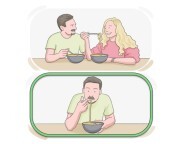
(psychology) a person who is preoccupied with their own thoughts and feelings rather than the external world
introvált, introvált személy
Egy forró hét után az introvertált egy csendes estét töltött otthon, egy könyvet olvasva.
(psychology) a person's social representation or the impression other's have of a certain individual which is concealing the true self
persona
a mental operation or set of cognitive activities that manipulates, organizes, or interprets information
folyamat, eljárás
A tanulási folyamat egyénenként változik.
(psychology) the conscious part of the mind that mediates between the unconscious and the reality which gives one a sense of self
ego, én
(psychology) the part of the mind that is only partly conscious, representing social norms learned from the parents
szuperegó
(psychology) the part of the unconscious mind that is the source of basic instincts and drives
id, a ösztönök forrása
(psychology) the unconscious process in which an individual associates their feelings, ideas or attitudes to someone else as a defense mechanism
projekció, projekciós mechanizmus
(psychology) the process of relieving a complex by bringing it to consciousness and directly addressing it
katarzis, érzelmi megtisztulás
Egy erőteljes drámát vagy tragédiát megnézni a színházban katarzishoz vezethet, mivel a nézők a karakterek tapasztalatai révén felszabadulnak elnyomott érzelmeikből.
a state of extreme disturbance that causes a lot of worry and uncertainty
zavargás, nyugtalanság
| Szókincs az IELTS-hez (Akadémiai) | |||
|---|---|---|---|
| Energia és Üzemanyag | Gazdaság | Pszichológia | Globális Problémák |
| Problematikus Szavak | Gyűjtőnevek | Trendekről Beszélgetés | Egyenlőség |
| Feminizmus | Marketing | ||
