
IELTS Academicの語彙 (スコア6-7) - 政府
ここでは、アカデミックIELTS試験に必要な政府に関連するいくつかの英語の単語を学びます。
レビュー
フラッシュカード
語形
綴り
クイズ


to officially have the control and authority to rule over a country and manage its affairs

統治する, 管理する
選ばれた指導者が国を統治し、市民の福祉のために決定を下します。
to control and be in charge of a country
統治する, 支配する
君主は絶対的な権威で王国を支配した。
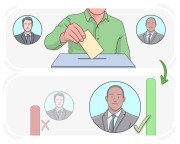
to choose a person for a specific job, particularly a political one, by voting
選出する, 投票で選ぶ
市民は今度の市議会選挙で新しい市長を選出します。

the process of assigning authority, responsibility, or tasks from a higher authority to a lower-ranking individual or entity to carry out specific duties or functions on their behalf
委任, 責任の移転
市長の予算決定を市議会に委任することで、統治プロセスが合理化されました。

to discuss the terms of an agreement or try to reach one
交渉する, 協議する
住宅の買い手と売り手は、不動産取引の価格と条件を交渉しました。
to seek advice, information, or guidance from someone who is extremely knowledgeable or skilled in a specific area
相談する, 助言を求める
決定を下す前に、投資計画について金融アドバイザーに相談するのは常に賢明です。

to forcefully remove a person of authority or power from their position
打倒する, 追放する
市民は腐敗した指導者を打倒し、新しい政府を樹立するために団結した。

a person elected to serve in a Senate, the upper house of a legislature
上院議員, 上院議員
上院議員は新しい医療保険法について話しました。

someone who is elected to be the head of a town or city
市長, 町長
市長は公共交通機関の新しい計画を発表しました。
an elected official in local government, representing and making decisions for their community
議員, 地方議会議員
市議会議員は、市内の公共交通機関を改善するための新しいイニシアチブを提案しました。
an individual skilled in handling delicate situations with diplomacy and tact, often navigating complex relationships or negotiations with finesse and discretion
外交官, 交渉者
サラは私たちのオフィスの外交官です。彼女は常に敏感さと機転を持って難しい会話にアプローチする方法を知っています。
a senior official whose job is living in a foreign country and representing their own country
大使, 使節
大使は、両国間の外交関係を強化するために大使館でレセプションを開催しました。
a government official or employee who works within a bureaucratic system, typically involved in implementing and administering government policies and procedures
官僚, 公務員
官僚は、市民が政府のサービスを受けるために必要な書類を処理した。
a person appointed or elected to a position of authority, often within a government or organization, responsible for overseeing and managing specific areas of policy, administration, or regulation
コミッショナー, 委員
警察のコミッショナーは、市内の法執行活動を監督します。
a system of government that is controlled by officials who are not elected rather employed
官僚制, 官僚的な管理
官僚制の中で、役人は人気投票で選ばれるのではなく、専門知識に基づいて雇用されます。
a group of elected officials responsible for making and changing laws in a government or state
立法府, 議会
立法府は年に2回会合を開き、国の予算やその他の重要な問題を決定します。

a person who speaks formally for an organization, government, etc.
スポークスパーソン, 代表者
会社の広報担当者は最近の論争に対処する声明を発表しました。
an official agreement between two or more governments or states
条約
両国は、数十年にわたる紛争を終結させ、外交関係を樹立するために平和条約に調印しました。
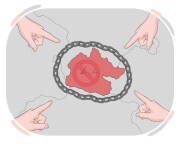
an order officially put to limit contact or trade with a particular country that has not obeyed international law
制裁, 制限措置
国連安全保障理事会は、地域の人道的危機に対処するため制裁を課すことを議論した。
