
メディアとコミュニケーション - ジャーナリズム
ここでは「通信社」、「報道」、「メディアバイアス」など、ジャーナリズムに関連するいくつかの英語の単語を学びます。
復習
フラッシュカード
綴り
クイズ

reports on recent events that are broadcast or published

ニュース,報道
朝のニュースは選挙の最新動向についての更新を提供しました。
an organization that gathers news stories for newspapers, TV, or radio stations
通信社,ニュースエージェンシー
通信社は、速報をカバーするために記者を派遣しました。
an article published to report the news
ニュース記事,報道記事
ニュース記事は、新しい政府の政策を詳細に説明しました。

a meeting during which a very important person talks to journalists and answers their questions or makes a statement
記者会見,プレスカンファレンス
同社は新製品を発表するために記者会見を開催しました。

the department of a newspaper or a TV or radio station that is in charge of collecting and reporting the news
ニュースデスク,ニュース部門
ニュースデスクは、夕方の放送のためのすべての入ってくる報告と更新を処理しました。
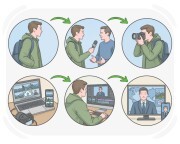
the act of collecting news item for broadcast or publication
ニュース収集,情報収集
ニュースギャザリングとは、現在の出来事を正確に報告するために、さまざまな情報源から情報を収集することを指します。
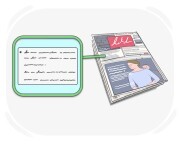
an article or segment in a broadcast or publication
記事,報道
その雑誌は現代美術に関する記事を掲載した。

the aspect of a story in the media that the audience can relate to because it describes people's lived experiences, feelings, etc.
人間の関心,人間の物語
新聞は、恵まれない子供たちを助けるために彼女のキャリア全体を費やした教師についての 人間味のある 記事を掲載しました。

a formal meeting during which a journalist asks a famous person different questions about specific subjects for publication
インタビュー, 面談
音楽家とのインタビューは、彼女の創造的なプロセスについての洞察を明らかにしました。
the news media or journalism profession as a societal institution that acts as a watchdog, providing independent scrutiny and holding the other three branches of government accountable
第四権力,第四階級
市民は、地域および世界の出来事について情報を得るために第四権力に依存しています。
the collective power and influence of online communities, social media, and independent bloggers or citizen journalists, which serve as an additional force shaping public opinion and providing alternative perspectives outside of traditional media channels
第五の権力,第五の勢力
多くの人々が今、伝統的な新聞の代わりに、ブログやソーシャルメディアなどの第五の権力にニュースを求めるようになっています。
the specific writing and presentation conventions used in journalism to convey information accurately, concisely, and objectively
ニューススタイル,ジャーナリズムスタイル
その新聞は、すべての報告が明確で理解しやすいものであることを保証するために、厳格なニューススタイルに従っています。
the potential favoritism or partiality of media organizations or journalists towards certain ideologies or perspectives, which may impact the objectivity and fairness of their news reporting
メディアバイアス,メディアの偏り
彼は、イベントがさまざまなチャンネルでどのように報道されたかに多くのメディアバイアスがあることに気づきました。

a written or spoken description of an event, especially one that is intended to be broadcast or published
報告,レポート
そのジャーナリストのレポートは夕方のニュースで特集されました。
the practice of independently verifying the accuracy and truthfulness of information presented in news articles or other media sources
事実確認
ファクトチェックの過程で、いくつかの統計が古くなっていることが明らかになりました。
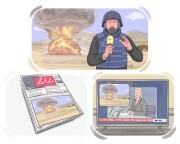
the reporting of a particular event or subject by newspapers, television, radio, or other media
報道, カバレッジ
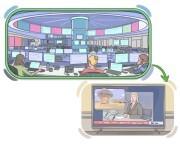
a place in radio or television stations or a newspaper office where news is reviewed and put together to be broadcast or published
ニュースルーム,編集室
ニュースルームのジャーナリストたちは、夕方の放送のために情報を収集し、検証するために疲れ知らずに働いています。
a summary of the most significant news
まとめ,ダイジェスト
朝のニュース番組では、世界中からのその日のトップニュースのまとめが特集されました。
a piece of news reported by a news agency sooner than other media channels or newspapers
スクープ,独占
そのジャーナリストの調査作業は、政府の最高レベルでの腐敗を暴く大きなスクープにつながった。
a prestigious award given annually in the United States for exceptional achievements in journalism, literature, music, and other categories, recognizing excellence and significant contributions to their respective fields
ピュリツァー賞,ピュリツァー賞
その劇作家の最新作は、ピューリッツァー賞 演劇部門を受賞し、広く称賛されました。
a writing and storytelling technique commonly used in journalism, where the most important and essential information is presented at the beginning of a news article, followed by supporting details arranged in descending order of significance
逆ピラミッド,逆ピラミッド法
彼女は、逆ピラミッドがニュース記事を書く際に最も重要な情報を最初に強調する一般的な技術であることを学びました。
a book or a document that supplies information in a research and is referred to
情報源,参照文献
彼は図書館のアーカイブで自分の理論を支持する珍しい資料を見つけた。
the recurring process of news creation, dissemination, and replacement within a given time frame
ニュースサイクル,情報サイクル
ニュースサイクルは非常に速く動くため、その日の終わりには話が忘れられてしまうことがあります。
the act of banning or deleting information that could be valuable to the enemy
検閲,情報統制
軍は部隊の動きに関する敏感な情報が公開されるのをブロックすることによって検閲を実施した。
an official statement issued by an organization or company to members of the media with the aim of providing information about a specific topic or event
プレスリリース,記者発表
同社は新製品の発売についてプレスリリースを発表しました。
background information that explains the circumstances of a news story or event
背景,経緯
その記事には経済危機の背景が含まれていました。
a baseless and made-up story or news report created to mislead people
デマ,虚偽報道
タブロイド紙は、地元の公園で宇宙人が目撃されたと主張するでっち上げ記事を掲載した。
a department in a newspaper office that works on local news
地方ニュース部門,シティデスク
シティデスクの編集者は、近所の清掃活動についてさらに詳細を求めた。
significant events of political, or social nature that are happening now
時事,現在の出来事
先生は私たちに環境に影響を与える現在の出来事についてのエッセイを書くように頼みました。
a news report or story obtained and published by one news organization before or instead of its competitors
独占記事

a piece of news that is not true or confirmed
フェイクニュース,偽ニュース
彼女は友人たちにフェイクニュースを広める危険性について警告した。
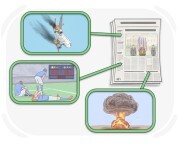
a distinct news piece on TV, in a newspaper, etc.
項目,ニュース
その雑誌は、政府内の腐敗を暴露した特別調査記事を含んでいた。
an item of news that is given the most prominence in a news broadcast, magazine, or newspaper
メインストーリー,メインタイトル
その政治家を巻き込んだスキャンダルは、すべての主要なニュースメディアで トップニュース でした。
the specific location and date from which a news article or report is filed or originates, indicating the place and time where the events described in the news story occurred or were witnessed
日付と場所,場所と日付
a service that collects and presents news articles from multiple sources in one place
ニュースアグリゲーター,ニュース収集ツール
ニュースアグリゲーターは、選挙に関するいくつかのウェブサイトからの記事をまとめました。
news stories or content that focuses on entertainment, lifestyle, human interest, or less serious topics, rather than hard news topics such as politics, economics, or crime
ソフトニュース,軽いニュース
テレビ番組の最終セグメントは、新しい健康トレンドを強調するソフトニュースに捧げられました。
an item of news in a broadcast or in a newspaper
記事,ニュース
その雑誌は気候変動活動家に関する記事を掲載した。
a news agency that provides news to newspapers, television and radio stations through wires or satellite communication
通信社,ワイヤーサービス
速報は、ワイヤーサービスを通じて数分以内にメディアに配信されました。
news stories or content that primarily focuses on timely and important events, typically involving topics of public interest such as politics, economics, crime, disasters, or international affairs
ハードニュース,重大ニュース
今日の版では、ハードニュースのセクションに世界的な紛争や経済的変化に関する記事が含まれていました。

information and statements that are mostly biased and false and are used to promote a political cause or leader
プロパガンダ
党のイデオロギーで若い心を教化するために、学校はプロパガンダの標的となりました。
information that has been just received by a television or radio news channel
速報,最新ニュース
レポーターは、市中心部の火災に関する 速報 を伝えるために放送を中断しました。
the liberty of journalists and media outlets to report news and express opinions without interference or restrictions
報道の自由,プレスフリーダム
報道の自由がなければ、重要な問題についての真実を明らかにするのは難しいでしょう。

the state of being affected by facts and statistics instead of personal opinions and feelings
客観性
そのジャーナリストは、常に偏見なく事実を提示する自分の客観性を誇りに思っていた。
a letter of protest published to be read by everyone, but addressed to a particular individual or group
公開書簡,公開状
事件後、ソーシャルメディアで公開書簡が共有され、警察部門からのより多くの透明性を求めた。
the practice of openly sharing information, sources, and processes to maintain trust, credibility, and accountability with the audience
透明性,明瞭さ
a collection of promotional materials and information provided to the media to support news coverage and provide key details about a person, organization, or event
プレスキット,メディアキット
彼女はメディアにプレスキットを送り、今後の会議について書くのを助けました。
an organization or group that represents and supports the interests of journalists and the media industry, often advocating for press freedom, professional standards, and ethical journalism practices
報道協会,報道連盟
報道協会は、記者のためのより強力な保護を提唱してきました。
form of alternative media that challenges mainstream narratives and provides an outlet for grassroots reporting and activism
地下出版,代替メディア
地下出版は、政治的不安の時代に情報を広める上で重要な役割を果たしました。

a series of explanations or critiques that offer insights or interpretations on a subject or text
解説,分析
その政治演説に関する解説は、その矛盾を浮き彫りにした。

the act of broadcasting the news on television or radio, or reporting them in a newspaper
レポート
そのジャーナリストの政治的不安に関する報道は、抗議行動の詳細な記録を提供した。
the available space or capacity within a media outlet, such as a newspaper or broadcast program, for the inclusion of news content
ニュースホール,ニューススペース
新しい政治スキャンダルは、今日の版でニュースホールの大部分を占めました。
the investigative practice of exposing corruption, scandals, or societal injustices through aggressive journalism
調査報道,腐敗の暴露
その調査報道記者は、社会の腐敗や不正を暴く恐れ知らずのマックレーキングで知られていた。
a person, newspaper, or organization that represents the views of another person, a government, etc.
スポークスマン,報道機関
報道官は政権の代弁者として機能し、大統領の政策や立場を国民に伝えます。
